The Titan
FictionFirearms industry and tradeCapitalists and financiersRevengeSuccess in business
5.0
Open LibraryAbout this book
Frank Algernon Cowperwood, the central character of Theodore Dreiser's previous work "The Financier," is now out of the Eastern District Penitentiary of Philadelphia. He still has his mistress and his fortune, plans to divorce his wife, and leaves for Chicago to scout its possibilities for a future home. He has letters of introduction to the most influential people--a bank president named Mr. Addison, for a start. Cowperwood is presented to others--lawyers, businessmen, and judges. At this beginning not one of them knew he had been incarcerated, and he wondered if that knowledge would affect their attitude towards him. He finally confesses his recent history to Addison and decides to establish his new company in Chicago. He carefully and thoroughly scrutinizes the conditions for establishing a wealth that would be envied by powerful men and selfish women. "The magnetizing power of fame is great." As Cowperwood climbs the glorified mountain and sets out to ultimately conquer this new world, his past foibles overcome him again--his desire for beautiful women, his acquisition of unbelievable wealth, his need to be accepted and understood and revered. His genius for social and financial manipulations fails him in politics. The ending is a philosophical overview of what has happened and what can happen to a man with a restless heart.
Themes & subjects
FictionFirearms industry and tradeCapitalists and financiersRevengeSuccess in businessAmerican fiction (fictional works by one author)
Characters & people
Setting
United States
About the author
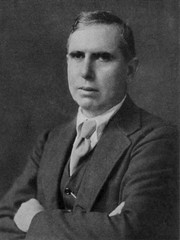
Theodore Dreiser
27 August 1871 – 28 December 1945
Theodore Herman Albert Dreiser ( August 27, 1871 – December 28, 1945) was an American novelist and journalist of the naturalist school. His novels often featured main characters who succeeded at their objectives despite a lack of a firm moral code, and literary situations that more closely resemble studies of nature than tales of choice and agency.[2] Dreiser's best-known novels include Sister Carrie (1900) and An American Tragedy (1925).
Reviews
No reviews yet — be the first to write one from the Log screen.
Quotes
No quotes yet.