

About this book
This is one of Byron's great Turkish tales told in very fine style. I have a lot of favorite Byron poems, or parts thereof. The Giaour is a wonderful poem and I think Byron at his best. I don't know why it's not as famous as Harold; I enjoy reading this poem over and over. Maybe it is as famous; however, neither Berlioz nor Tchaikovsky honored it with a masterpiece of music or opera. Painted by Eugène Delacroix (1826) in a masterpiece of color, now found in Chicago, I suspect in high tribute, by a great artist. I believe Giaour shows Byron's respect for Islam with regards to religion, but firmly takes a stand for women, however briefly. I think Byron intends Giaour to be pronounced as xio-er to rhyme with bower or power, and used as a disyllable.
Themes & subjects
One of Byron's great poems of the Orient
Characters & people
Setting
TurkeyTimelesslikely based on legend.
About the author
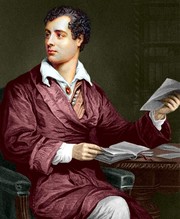
Lord Byron
22 January 1788 – 19 April 1824
Lord Byron was an English poet known as much for his life of scandals, exile and excess as for his elegant and well-crafted poetry. Known by his peers as dark, seductive and romantic, his legacy, the brooding Byronic hero still influences modern audiences two hundred years on.
Reviews
No reviews yet — be the first to write one from the Log screen.
Quotes
No quotes yet.