3.7
Open LibraryAbout this book
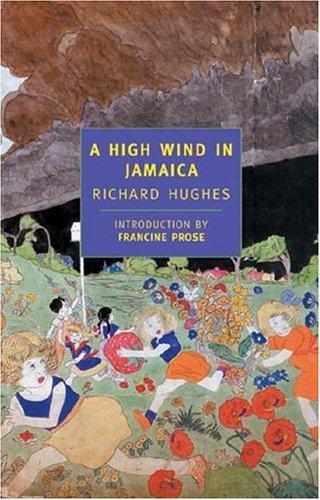
"After a terrible hurricane levels their Jamaican estate, the Bas-Thorntons decide to send their children back to the safety and comfort of England. On the way their ship is set upon by pirates, and the children are accidentally transferred to the pirate vessel. Jonsen, the well-meaning pirate captain, doesn't know how to dispose of his new cargo, while the children adjust with surprising ease to their new life. As this strange company drifts around the Caribbean, events turn more frightening and the pirates find themselves increasingly incriminated by the children's fates. The most shocking betrayal, however, will take place only after the return to civilization.". "The swift, almost hallucinatory action of Hughes's novel, together with its provocative insight into the psychology of children, made it a best seller when it was first published in 1929 and has since established it as a classic of twentieth-century literature - an unequaled exploration of the nature, and limits of innocence."--BOOK JACKET.
Themes & subjects
FictionPiratesChildrenEnglish fictionJamaica, fictionBritish and irish fiction (fictional works by one author)
About the author
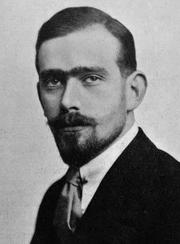
Richard Hughes
19 April 1900 – 28 April 1976
Richard Arthur Warren Hughes was born in Weybridge, Surrey, the son of a civil servant. He was educated at Charterhouse, and in 1917, a schoolmaster sent one of his essays to The Spectator, where it was published. He attended Oriel College of Oxford University, where he co-edited with Robert Graves a poetry publication, Oxford Poetry, in 1921. He graduated in 1922, the same year his short play The Sisters' Tragedy was performed at the Royal Court Theatre. In 1924, his radio play Danger was broadcast on the BBC and became the world's first radio play. He worked as a journalist. In 1932, he married Frances Bazley, a painter, and settled in Norfolk. In 1934 the moved to Laugharne in south…
Reviews
No reviews yet — be the first to write one from the Log screen.
Quotes
No quotes yet.