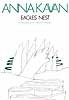
First lines
Everything appeared slightly distorted to me just then. I saw the station as the garishly lit shrine of some cult, dedicated to huge iron monsters, bellowing peremptorily at the timid subservient humans, who flocked to and fro in obedient herds.
About this book
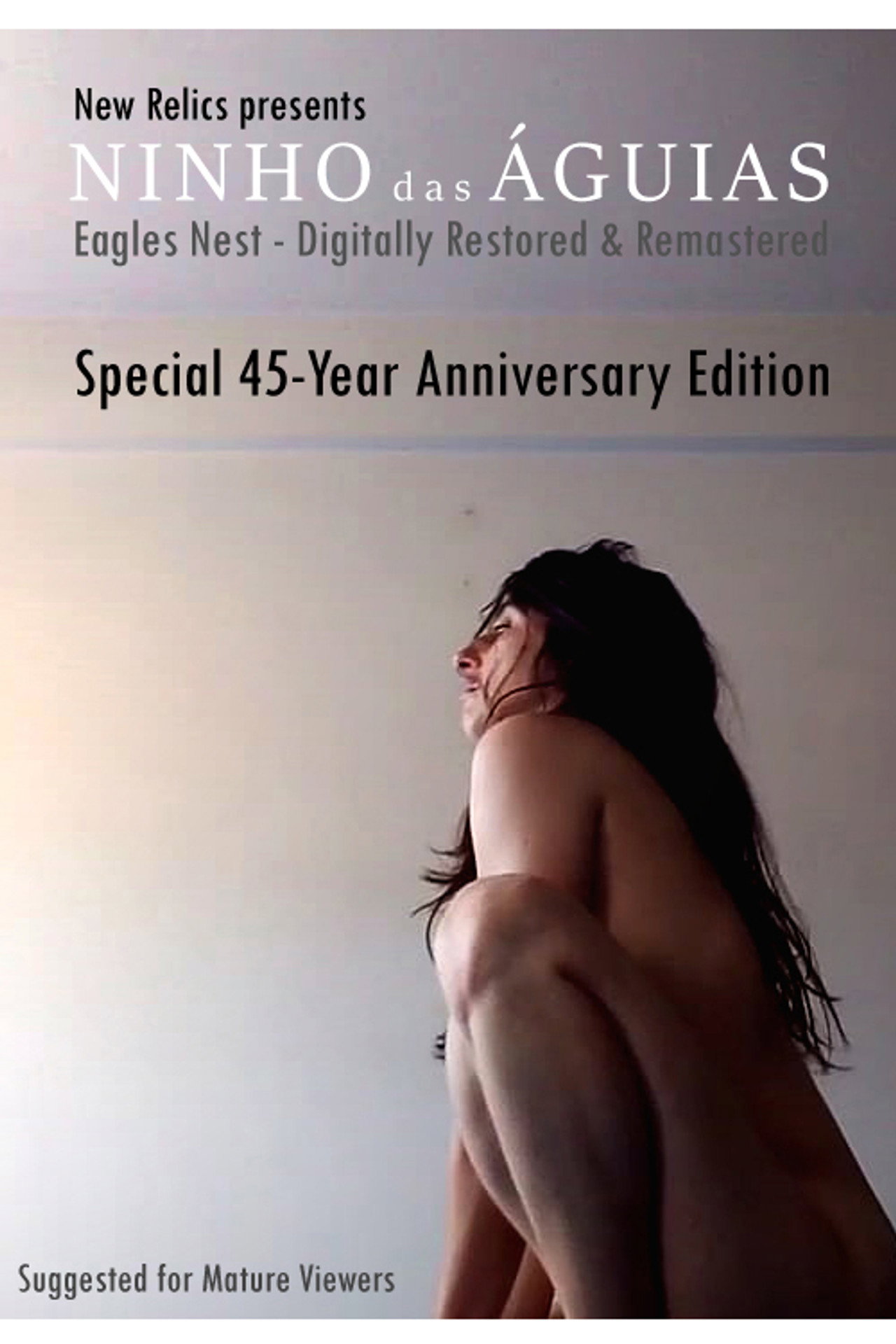
In this powerful fantasy Anna Kavan, whose work has become an international cult in recent years, describes the quality of life for an individual who cannot face the harsh impact of modern civilization. Exploring the shifting territory between the concrete world and the world of dreams, she questions both the ultimate reality of personal identity, and of existence itself. Her narrator, reduced to the lowest depths of misfortune by some unexplained event, sets out on a Kafkaesque journey to the rock-fortress of Eagles' Nest, and finds himself in some far-off, alien landscape, now vast and arid, burning under a searing sun, now lush with tropical vegetation or drenched by torrential waterfalls. His struggles to meet his former benefactor and future employer, A., his sinister encounters with the master's servants and with the local inhabitants, and this hallucinatory visions, lead to a crushing denouement that brings final recognition of his role in the scheme of things. First published in 1957 and now re-issued, this novel is one of the finest examples of Anna Kavan's powers to explore 'the nocturnal worlds of our dreams, fantasies, imagination and non-reason', Anais Nin in The Novel of the Future. (From the book jacket, british reprint published in 1976).
Themes & subjects
Technology and civilizationFiction
Characters & people
Setting
rock-fortress
About the author
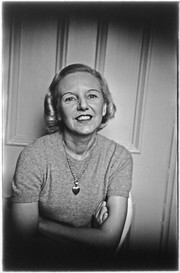
Anna Kavan
10 April 1901 – 5 December 1968
Anna Kavan was a British novelist, short story writer and painter. Originally publishing under her first married name, Helen Ferguson, she adopted the name Anna Kavan in 1939, not only as a nom de plume but as her legal identity. - Wikipedia
Reviews
No reviews yet — be the first to write one from the Log screen.
Quotes
No quotes yet.