4.2
Open LibraryAbout this book
The thirteenth novel in Emile Zola's great Rougon-Macquart sequence, Germinal expresses outrage at the exploitation of the many by the few, but also shows humanity's capacity for compassion and hope.Etienne Lantier, an unemployed railway worker, is a clever but uneducated young man with a dangerous temper. Forced to take a back-breaking job at Le Voreux mine when he cannot get other work, he discovers that his fellow miners are ill, hungry, and in debt, unable to feed and clothe their families. When conditions in the mining community deteriorate even further, Lantier finds himself leading a strike that could mean starvation or salvation for all.
Themes & subjects
FictionStrikes and lockoutsCoal minersLabor disputesCoal mines and miningIndustrial relations
Setting
FranceNorthern France19th century
About the author
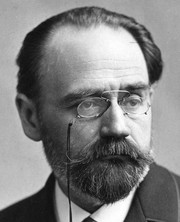
Émile Zola
2 April 1840 – 28 September 1902
Emile Zola was a French journalist and novelist known for his series of 20 novels known collectively as Les Rougon-Macquart (1871-93). Zola's style was called literary naturalism; his novels were attacked and even banned for their frankness and sordid detail, and caused quite a bit of controversy in their day. The same traits made him a best-selling author and a star of French literature in his day. In 1898 he then further incurred the wrath of French officials when he published the open letter "J'Accuse," in defense of Alfred Dreyfus, an Army officer who had been convicted of treason. Zola was sentenced to prison for libel, fled to England, and was granted amnesty a few months later. He die…
Reviews
No reviews yet — be the first to write one from the Log screen.
Quotes
No quotes yet.