0.0
Open LibraryFirst lines
when you walk along the street you have to step carefully always on the cobbles so as not to step on the bright anxious grassblades easier if you hold Mother's hand and hang on it that way you can kick up your toes but walking fast you have to tread on too many grassblades the poor hurt green tongues shrink under feet maybe thats why those people are so angry and follow us shaking their fists they're throwing stones growup people throwing stones
About this book
In the novels that make up the U.S.A.trilogy—The 42nd Parallel, 1919, and The Big Money—Dos Passos creates an unforgettable collective portrait of America, shot through with sardonic comedy and brilliant social observation. He interweaves the careers of his characters and the events of their time with a narrative verve and breathtaking technical skill that make U.S.A. among the most compulsively readable of modern classics. A startling range of experimental devices captures the textures and background noises of 20th-century life: "Newsreels" with blaring headlines; autobiographical "Camera Eye" sections with poetic stream-of-consciousness; "biographies" evoking emblematic historical figures like J.P. Morgan, Henry Ford, John Reed, Frank Lloyd Wright, Thorstein Veblen, and the Unknown Soldier. Holding everything together is sheer storytelling power, tracing dozens of characters from the Spanish-American War to the onset of the Depression. The U.S.A. trilogy is filled with American speech: labor radicals and advertising executives, sailors and stenographers, interior decorators and movie stars. Their crisscrossing destinies take in wars and revolutions, desperate love affairs and harrowing family crises, corrupt public triumphs and private catastrophes, in settings that include the trenches of World War I, insurgent Mexico, Hollywood studios in the silent era, Wall Street boardrooms, and the tumultuous streets of Boston just before the execution of Sacco and Vanzetti.
Themes & subjects
FictionHistorySocial life and customsflashlightworthyAmerican fictionWorld War (1914-1918) fast (OCoLC)fst01180746
First published 1930Setting
United States20th century
About the author
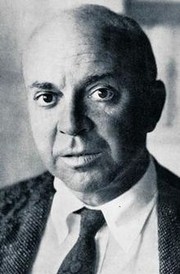
John Dos Passos
1896 – 1970
John Roderigo Dos Passos (January 14, 1896 – September 28, 1970) was an American novelist, most notable for his *U.S.A.* trilogy. In 1920, his first novel, *One Man's Initiation: 1917,* was published, and in 1925, his novel *Manhattan Transfer* became a commercial success. His *U.S.A.* trilogy, which consists of the novels *The 42nd Parallel* (1930), *1919* (1932), and *The Big Money* (1936), was ranked by the Modern Library in 1998 as 23rd of the 100 best English-language novels of the 20th century. Written in experimental, non-linear form, the trilogy blends elements of biography and news reports to paint a landscape of early 20th-century American culture.
Reviews
No reviews yet — be the first to write one from the Log screen.
Quotes
No quotes yet.