fraeon
Films
BrowseTop 250
Series
TV ShowsAnimeTop 250 TVTop 100 Anime
Games
BrowseTop 100
Books
BooksMangaTop 125 BooksTop 100 Manga
For youTrendingTier ListsThe ArchiveLeaderboard
Log inSign up free
fraeon

Everything you watch, play and read — tracked, rated and remembered in one library.

Explore

  • Films
  • TV
  • Anime
  • Games
  • Books
  • Manga

Discover

  • Trending
  • Leaderboard
  • Find people
  • Lists
  • Tier lists

Company

  • Tour
  • About
  • Community guidelines
  • Privacy
  • Terms
  • Contact

© 2026 fraeon. All rights reserved. ·

Metadata from TMDB, RAWG, Jikan & Open Library. This product uses the TMDB API but is not endorsed or certified by TMDB.

Questions or ideas? mehmet@avortas.com

HomeFeedProfile
Preface to Plato

Preface to Plato

by Eric Alfred Havelock

1963Ancient PhilosophyGreek poetryHistory and criticismPhilosophy, AncientPoetry
0.0
Open Library
Open Library

About this book

Plato's frontal attack on poetry has always been a problem for sympathetic students, who have often minimized or avoided it. Beginning with the premise that the attack must be taken seriously, Mr. Havelock shows that Plato's hostility is explained by the continued domination of the poetic tradition in contemporary Greek thought. The reason for the dominance of this tradition was technological. In a nonliterate culture, stored experience necessary to cultural stability had to be preserved as poetry in order to be memorized. Plato attacks poets, particularly Homer, as the sole source of Greek moral and technical instruction--Mr. Havelock shows how the Illiad acted as an oral encyclopedia. Under the label of mimesis, Plato condemns the poetic process of emotional identification and the necessity of presenting content as a series of specific images in a continued narrative. The second part of the book discusses the Platonic Forms as an aspect of an increasingly rational culture. Literate Greece demanded, instead of poetic discourse, a vocabulary and a sentence structure both abstract and explicit in which experience could be described normatively and analytically: in short a language of ethics and science.

Themes & subjects

Ancient PhilosophyGreek poetryHistory and criticismPhilosophy, AncientPoetryPlato
First published 1963

Characters & people

Author

Eric Alfred Havelock

First published

1963

Pages

328

Read time

≈ 8h

Editions

6

Language

English

Publisher

Grosset & Dunlap

ISBN

0674699068

Where to buy

TR
Amazon Bookshop

Reviews

No reviews yet — be the first to write one from the Log screen.

Quotes

No quotes yet.

Discussions

Similar books

Meditations

Philosophy · Nonfiction

Meditations

Marcus Aurelius

1626

De rerum natura

Latin Didactic poetry · Ancient Philosophy

De rerum natura

Titus Lucretius Carus

1486

La Poetica

Metaphysics · Early works to 1800

La Poetica

Aristotle

1479

Nicomachean Ethics

Ethics · Early works to 1800

Nicomachean Ethics

Aristotle

1558

Συμπόσιον

Love · Early works to 1800

Συμπόσιον

Plato

1559

Φαίδων

Immortality · Immortality (Philosophy)

Φαίδων

Plato

1713

Ἱστορίαι

genre:historiography · genre:history

Ἱστορίαι

Ἡρόδοτος

1494

Ἀνάβασις

History · Cyrus, the younger, approximately 423 b.c.-approximately 401 b.c.

Ἀνάβασις

Xenophon

1623

Γοργίας

Classic Literature · Fiction

Γοργίας

Plato

1827

Moralia

Ancient Ethics · Ancient Philosophy

Moralia

Plutarch

1500

Πρωταγόρας

Sophists (Greek philosophy) · Philosophy, ancient

Πρωταγόρας

Plato

1828

Τίμαιος

Metaphysics · Early works to 1800

Τίμαιος

Plato

1520

Θεαίτητος

Theory of Knowledge · Ancient Philosophy

Θεαίτητος

Πλάτων

1861

Μένων

Early works to 1800 · Virtue

Μένων

Plato

1869

Ἰλιάς

Odysseus (Greek mythology) · Greeks

Ἰλιάς

Όμηρος

1505

Ὀδύσσεια

great_books_of_the_western_world · Poetry

Ὀδύσσεια

Όμηρος

1488

The golden asse of Lucius Apuleius

Translations into English · Rhetoric

The golden asse of Lucius Apuleius

Ovid

1469

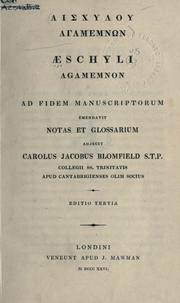
Agamemnon

Drama · Agamemnon (Greek mythology)

Agamemnon

Aeschylus

1816