Osler's web
1996Chronic fatigue syndromePopular worksChronic Fatigue SyndromeMoeheidssyndroomFatigue Syndrome, Chronic
4.0
Open LibraryAbout this book
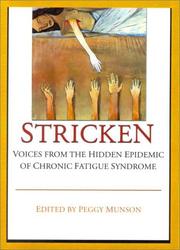
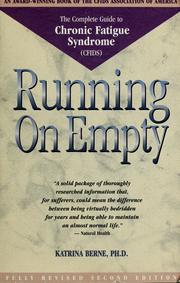
In 1985 in Incline Village on Lake Tahoe, Nevada, two physicians began noticing an unusually devastating illness with an array of symptoms never seen before. Puzzlement at the first few cases turned into alarm when more and more patients staggered in with the same debilitating symptoms. Called variously the Lake Tahoe Disease, Chronic Epstein-Barr Virus Syndrome, Yuppie Flu, and finally Chronic Fatigue Syndrome, this new illness was also being noticed in Brigham and Women's Hospital in Boston, in various hospitals in Los Angeles and San Francisco, and in small towns in upstate New York as well as at other points around the United States. The majority of early cases reported in the press afflicted middle-class, middle-aged women. Unable to find any one cause for this bewildering array of symptoms, the medical establishment attempted to convince these women that it was all in their heads. As time passed, it became clear that sufferers of Chronic Fatigue Syndrome did not have false symptoms and were, in fact, very ill. Nevertheless, the National Institutes of Health and the Centers for Disease Control, having established their position early on that this was a psychosomatic disorder, refused to budge, ignored the epidemic and those afflicted with it, and continually fell short in their efforts to diagnose, treat, and search for a cure. It is now estimated that between 1[and one-half] and 2 million Americans are suffering from this extraordinarily debilitating disease, with disastrous consequences to their personal and professional lives. It has become clear that it is a disea…
Themes & subjects
Chronic fatigue syndromePopular worksChronic Fatigue SyndromeMoeheidssyndroomFatigue Syndrome, ChronicNew York Times reviewed
First published 1996Reviews
No reviews yet — be the first to write one from the Log screen.
Quotes
No quotes yet.