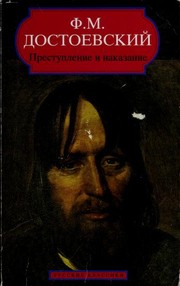
Бра́тья Карама́зовы
Crime and criminalsRussian literatureFictionContinental european fiction (fictional works by one author)Fiction, psychological
0.0
Open LibraryAbout this book
The final novel by Fyodor Dostoyevsky, first published as Bratya Karamazovy in 1879-80, and generally considered to be his masterpiece. It is the story of Fyodor Karamazov and his sons Alyosha, Dmitry, and Ivan. It is also a story of patricide, into the sordid unfolding of which Dostoyevsky introduces a love-hate struggle with profound psychological and spiritual implications. Throughout the whole novel there persists a search for faith, for God--the central idea of the work. The dramatization of Ivan's repudiation of God is concentrated in the famous "Legend of the Grand Inquisitor." A response to Ivan is contained in the preaching of the monk Zosima that the secret of universal harmony is not achieved by the mind but by the heart. --The Merriam-Webster Encyclopedia of Literature.
Themes & subjects
Crime and criminalsRussian literatureFictionContinental european fiction (fictional works by one author)Fiction, psychologicalFathers and sons, fiction
Characters & people
Setting
RussiaRussia (Federation)1533-1917
About the author

Fyodor Dostoyevsky
11 November 1821 – 9 February 1881
Russian novelist Fyodor Mikhailovitch Dostoyevsky was a journalist and short-story writer, whose psychological penetration into the human soul profoundly influenced the 20th century novel. Dostoevsky's novels have much autobiographical elements, but ultimately they deal with moral and philosophical questions. He presented interacting characters with contrasting views or ideas about freedom of choice, Socialism, atheisms, good and evil, happiness and so forth. Dostoevsky's central obsession was God, whom his characters constantly search through painful errors and humiliations. ([Source][1]) Dostoyevsky's literary output explores human psychology in the troubled political, social and spirit…
Reviews
No reviews yet — be the first to write one from the Log screen.
Quotes
No quotes yet.