0.0
Open LibraryAbout this book
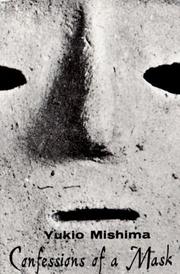
Forbidden Colors (禁色, Kinjiki) is a 1951 novel (禁色 Part 2 秘楽 (Higyō) "Secret Pleasure" was published in 1953) by the Japanese writer Yukio Mishima, translated into English in 1968. The name kinjiki is a euphemism for homosexuality. The kanji 禁 means "forbidden" and 色 in this case means "erotic love", although it can also mean "color". The word "kinjiki" also means colors that were forbidden to be worn by people of various ranks in the Japanese court. It describes a marriage of a gay man to a young woman. Like Mishima's earlier novel Confessions of a Mask, it is generally considered somewhat autobiographical.
Themes & subjects
FictionGay youthYoung menJapanese NovelistsGay menAutobiographical fiction
First published 1964Characters & people
Setting
Japan20th century
About the author

三島由紀夫
14 January 1925 – 25 November 1970
Kimitake Hiraoka (平岡 公威, Hiraoka Kimitake; 14 January 1925 – 25 November 1970), known by his pen name Yukio Mishima (三島 由紀夫, Mishima Yukio), was a Japanese writer, playwright, actor, martial artist, model, and the leader of an attempted coup d'état that culminated in his ritual suicide by *seppuku.* Mishima is considered one of the most important postwar stylists of the Japanese language. He was nominated for the Nobel Prize in Literature five times in the 1960s. His works include the novels *Confessions of a Mask* and *The Temple of the Golden Pavilion,* and the autobiographical essay *Sun and Steel.* Mishima's political activities made him a controversial figure. From his mid-30s on…
Reviews
No reviews yet — be the first to write one from the Log screen.
Quotes
No quotes yet.