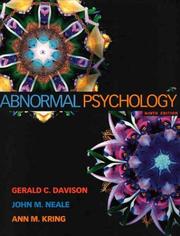
by Scott O. Lilienfeld, John Ruscio, Steven J. Lynn
Can self-help recordings containing subliminal messages improve your self-esteem or memory? Is hypnotic age-regression therapy a valid way of rediscovering lost childhood memories? Does Thought Field Therapy effectively treat anxiety by manipulating energy fields? A dizzying array of popular psychology books, articles, and promotion campaigns tout these and other alleged remedies for psychological problems. Faced with this confusion, consumers of mental health services need guidelines for finding effective therapy. This useful book brings together accessible, nontechnical articles by leading scientific researchers and clinicians to help answer such critical questions concerning mental health care as: How should I select a therapist? How can I tell the difference between scientifically valid and questionable psychotherapy? Can I trust the diagnosis I have received? If you or someone you know is seeking therapy, this excellent reference book will provide needed guidance for navigating the mental health maze.
1960 – 2020
Professor of psychology at Emory University and advocate for evidence-based treatments and methods within the field
No reviews yet — be the first to write one from the Log screen.
No quotes yet.

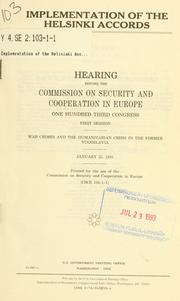
Implementation of the Helsinki accords
United States. Congress. Commission on Security and Cooperation in Europe1982
Histoires Extraordinaires (Balloon-Hoax / Descent into the Maelstrom / Facts in the Case of M. Valdemar / Gold-Bug / Ligeia / Mesmeric Revelation / Metzengerstein / Morella / MS. Found in a Bottle / Murders in the Rue Morgue / Purloined Letter / Tale of the Ragged Mountains / Unparalleled Adventure of One Hans Pfaall)
Edgar Allan Poe1857