5.0
Open LibraryFirst lines
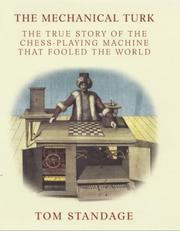
On an autumn day in 1769, Wolfgang von Kempelen, a thirty-five-year-old Hungarian civil servant, was summoned to the imperial court in Vienna by Maria Theresa, empress of Austria-Hungary, to witness the performance of a visiting French conjuror.
About this book
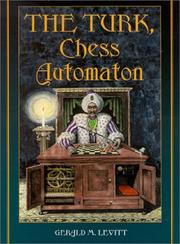
In the annals of man and machine, The Turk has to rank among the most astonishing stories. In 1769, Baron Von Kempelen, engineer to the Imperial Court in Vienna, was so unimpressed by the performance of a visiting conjurer that he boasted he could do better. He built a mechanical chess-playing mannequin, dressed like a Turk, capable of beating even the Court's best players. Over the next decades, the Turk toured the courts of Europe to tremendous acclaim. Amid the craze for automata that swept Europe during the late 18th and early 19th centuries, as the Industrial Revolution developed, it was one of the wonders of its time: Benjamin Franklin and Napoleon were among the luminaries who lost to it. Eventually, the Turk ended up in America, where it toured for many years before being destroyed by a fire in 1854. But was it a fraud? The colorful story of the Turk involves a diverse cast of Ludwig van Beethoven, Edgar Allen Poe, Charles Babbage and many others, and encompasses the history of magic, the rise of machines, the debate over mechanical reasoning, and the early days of artificial intelligence.
Themes & subjects
MisleidingAutomaton chess playersNonfictionSchaakautomatenHistoryChess
First published 2002Characters & people
About the author
Reviews
No reviews yet — be the first to write one from the Log screen.
Quotes
No quotes yet.