Sexual equality
by John Stuart Mill, Harriet Hardy Taylor Mill, Helen Taylor
ÉgalitéEqualityWomen's rightsHistoireHistory
0.0
Open LibraryAbout this book
"All the significant ideas in nineteenth-century English feminism can be found in the prose and thought of John Stuart Mill and in those of the two women central to his life: Harriet Taylor, who married him in 1851, and her daughter, Helen Taylor. Together they produced some of the most powerful and influential writings ever penned to promote women's equality, and it was to this family that the Victorian women's movement in England came to look for leadership, guidance, and money." "In this volume, Ann Robson and John Robson bring together the writings and speeches from these three seminal thinkers on the subject of sexual equality. Some of these pieces have not been available in published form for more than a century. They cover such topics as love, sex, marriage, children, property, domestic relations, divorce, and suffrage." "Sexual Equality is a necessary tool for understanding the development of ideas on women's issues in the Mill household. These ideas influenced thinking on sexual equality far beyond England and far past the Victorian period."--BOOK JACKET.
Themes & subjects
ÉgalitéEqualityWomen's rightsHistoireHistoryDroits
Setting
19e siècle19th century
About the authors
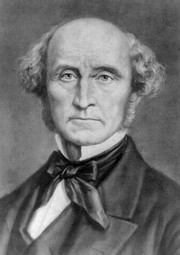
John Stuart Mill
20 May 1806 – 8 May 1873
John Stuart Mill (20 May 1806 – 8 May 1873), usually cited as J. S. Mill, was a British philosopher, political economist, and civil servant. One of the most influential thinkers in the history of liberalism, he contributed widely to social theory, political theory, and political economy. Dubbed "the most influential English-speaking philosopher of the nineteenth century", Mill's conception of liberty justified the freedom of the individual in opposition to unlimited state and social control. **Source**: [John Stuart Mill](https://en.wikipedia.org/wiki/John_Stuart_Mill) on Wikipedia.
Harriet Hardy Taylor Mill
1807 – 1858
Helen Taylor
1831 – 1907
Reviews
No reviews yet — be the first to write one from the Log screen.
Quotes
No quotes yet.