by Mary Olmstead Stanton
Tracing Man to his origin, the Monera, or, as some naturalists claim, the Amoeba, we find entering into his constitution four essential elements, or primal components.
No reviews yet — be the first to write one from the Log screen.
No quotes yet.
Ancient Ethics · Character sketches
Theophrasti Characteres
1628
Physiognomy · Early works to 1800
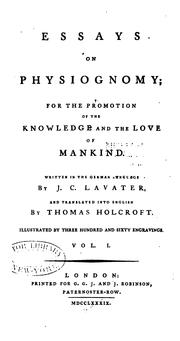
Physiognomische Fragmente zur Beförderung der Menschenkenntnis und Menschenliebe
1775
Character · Constitution
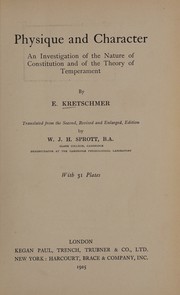
Körperbau und Charakter
1921
Phrenology · Physiognomy
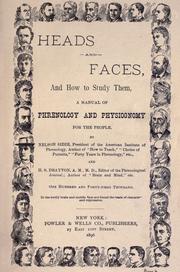
Heads and faces, and how to study them
1885
Palmistry · Physiognomy
Mian xiang shou xiang ti xiang
1993
Nose · Physiognomy
Notes on noses
1852
Interviews · Jazz musicians
Notes and tones
1977
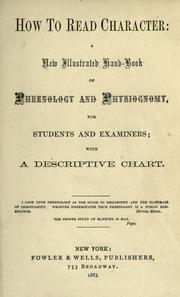
How to read character
1868
Miscellanea · Physiognomy
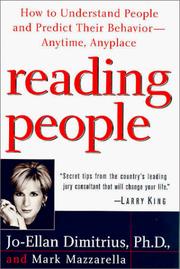
Reading people
1998
Gynecology · Obstetrics
The works of Aristotle, the famous philosopher
1800
Facial expression · New Age
The Face Reader
2007
Ghosts · opera singers
The ghost
1907
Death (Biology) · Life (Biology)
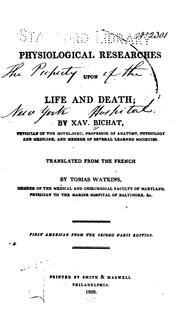
Recherches physiologiques sur la vie et la mort
Phrenology · Man
Constitution of man
1828
Phrenology · Human beings
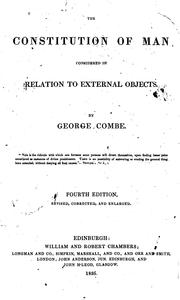
The constitution of man considered in relation to external objects
1829
Crime · Crime and criminals
The criminal
1890
Characters and characteristics · Satire
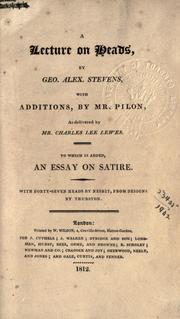
A lecture on heads
1770
Phrenology
Phrenology in Europe and America
2001