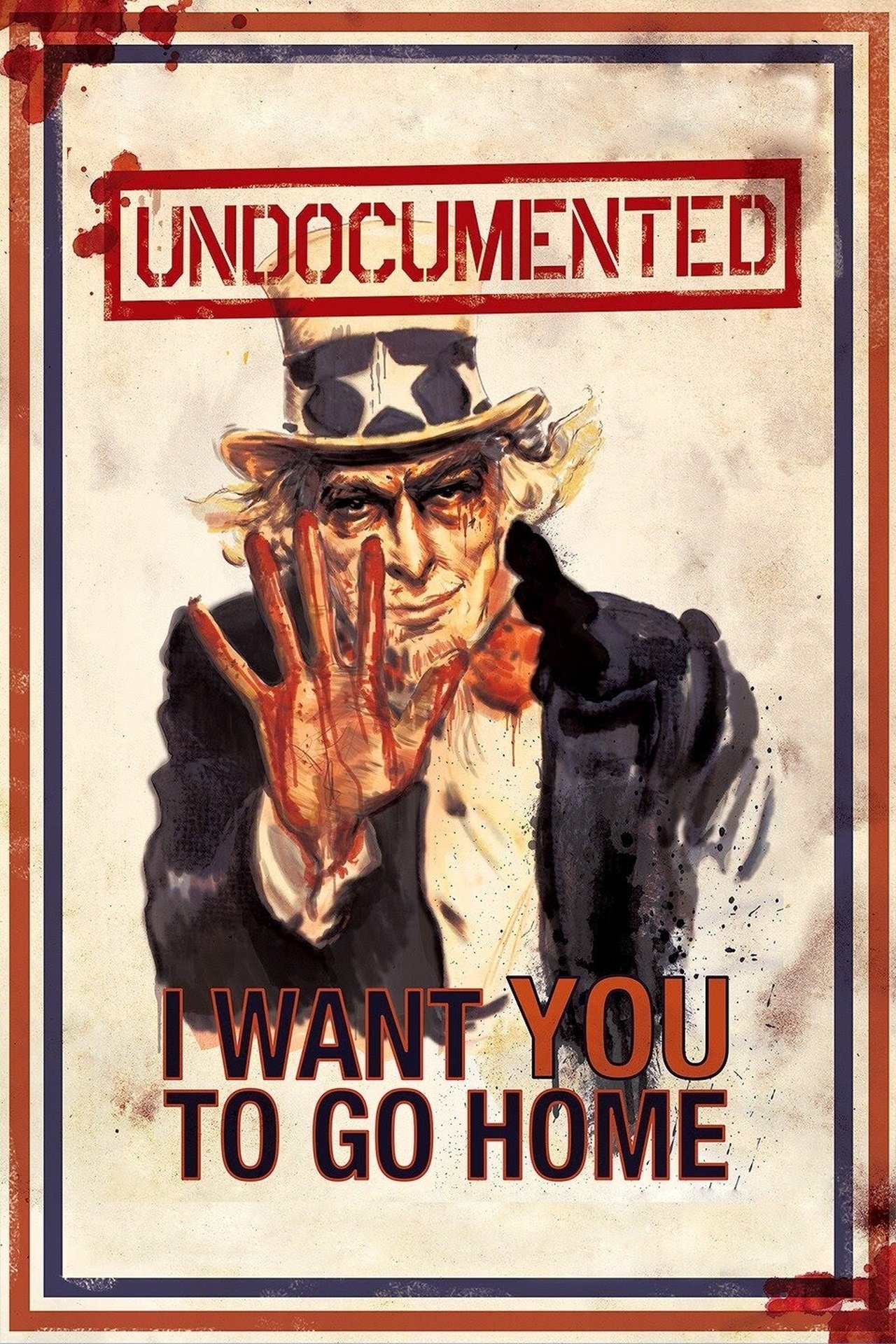
Undocumented
Illegal aliensEmigration and immigrationSocial aspectsGovernment policyEconomic aspects
5.0
Open LibraryAbout this book
"This book looks at the role illegality or undocumentedness plays in our society and economy. It shows how the status was created, and how and why people, especially Mexicans and Central Americans, have been assigned this status. The first three chapters look at the histories of social exclusion. One looks specifically at the Mexican and Guatemalan contexts to understand why such large numbers of people from these countries enter the United States without documents, and how those who do so understand their own motivations. Two chapters focus on the role of illegality in the economy. Undocumented people tend to work in three different kinds of jobs: jobs that have been historically marginalized, like those in agriculture; jobs that have been downgraded from well-paid, unionized work to low-wage labor, like meatpacking; and newly booming job categories that underlie post-war consumerist prosperity like landscaping and childcare work. One chapter looks at children and families, focusing especially on the experiences of undocumented youth and youth with undocumented parents, and at the leadership role that undocumented youth have taken in the undocumented rights movement. One looks at the dizzying complexity of status to point out that virtually nobody really understand what "illegal" means. It looks at the detention system and the interests behind it. Finally, the last chapter explores the different "solutions" to the problem of undocumentedness that have been proposed and implemented over time, and shows why they have failed. Undocumentedness is deeply imbedded in global and …
Themes & subjects
Illegal aliensEmigration and immigrationSocial aspectsGovernment policyEconomic aspectsUnited states, emigration and immigration
Setting
United StatesCentral AmericaGuatemalaMexico
About the author
Aviva Chomsky
1957
Aviva Chomsky is professor of history and coordinator of Latin American Studies at Salem State College. The author of several books, Chomsky has been active in Latin American solidarity and immigrants' rights issues for over twenty-five years. She lives in Salem, Massachusetts. -Haymarket Books
Reviews
No reviews yet — be the first to write one from the Log screen.
Quotes
No quotes yet.