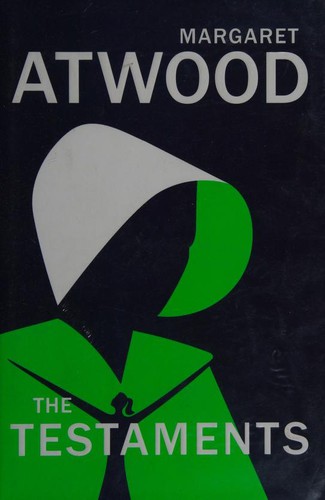
The Testaments
Science FictionYoung adult fictionDystopian FictionFiction, dystopianFiction, fantasy, general
4.3
Open LibraryAbout this book
15 years after the sons of Jacob seized power in the USA and became Gilead. The story is told from three female viewpoints; Daisy, Agnes and Lydia. Daisy struggles with coming to the realization of her past and who she really is, Agnes tells her story and life in Gilead, and Lydia contemplates her life and decisions made. When the van door slammed on Offred's future at the end of The Handmaid's Tale, readers had no way of telling what lay ahead for her--freedom, prison or death. With The Testaments, the wait is over. Margaret Atwood's sequel picks up the story more than fifteen years after Offred stepped into the unknown, with the explosive testaments of three female narrators from Gilead. In this brilliant sequel to The Handmaid's Tale, acclaimed author Margaret Atwood answers the questions that have tantalized readers for decades. "Dear Readers: Everything you've ever asked me about Gilead and its inner workings is the inspiration for this book. Well, almost everything! The other inspiration is the world we've been living in." --Margaret Atwood
Themes & subjects
Science FictionYoung adult fictionDystopian FictionFiction, dystopianFiction, fantasy, generalCanadian fiction (fictional works by one author)
About the author
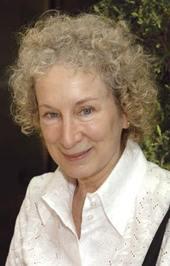
Margaret Atwood
18 November 1939
Margaret Eleanor Atwood (born November 18, 1939) is a Canadian novelist, poet, literary critic, and inventor. Since 1961, she has published more than 50 books of fiction, poetry, and critical essays, including 18 books of poetry, 18 novels, 11 books of nonfiction, nine collections of short fiction, eight children's books, two graphic novels, and a number of small press editions of both poetry and fiction. Her work has been published in over 40 countries, and a number of her works have been adapted for film and television. Her best-known work is the 1985 dystopian novel *The Handmaid's Tale,* and her novels also include *Cat's Eye,* shortlisted for the Booker Prize; Alias Grace, which won…
Reviews
No reviews yet — be the first to write one from the Log screen.
Quotes
No quotes yet.