Nuclear Security
by George Pratt Shultz, Sidney D. Drell, Henry Kissinger
Nuclear weaponsNuclear arms controlNuclear nonproliferationSafety measuresNuclear reactors
0.0
Open LibraryAbout this book
"Concern about the threat posed by nuclear weapons has preoccupied the United States and presidents of the United States since the beginning of the nuclear era. Nuclear Security draws from papers presented at the 2013 meeting of the American Nuclear Society examining worldwide efforts to control nuclear weapons and ensure the safety of the nuclear enterprise of weapons and reactors against catastrophic accidents. The distinguished contributors, all known for their long-standing interest in getting better control of the threats posed by nuclear weapons and reactors, discuss what we can learn from past successes and failures and attempt to identify the key ingredients for a road ahead that can lead us toward a world free of nuclear weapons. The authors review historical efforts to deal with the challenge of nuclear weapons, with a focus on the momentous arms control negotiations between U.S. president Ronald Reagan and Mikhail Gorbachev. They offer specific recommendations for reducing risks that should be adopted by the nuclear enterprise, both military and civilian, in the United States and abroad. Since the risks posed by the nuclear enterprise are so high, they conclude, no reasonable effort should be spared to ensure safety and security."--Back cover.
Themes & subjects
Nuclear weaponsNuclear arms controlNuclear nonproliferationSafety measuresNuclear reactorsNuclear energy
About the authors
George Pratt Shultz
1920 – 2021
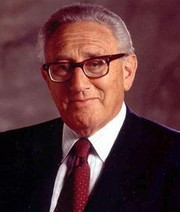
Henry Kissinger
May 27, 1923 – 2023
"Henry Alfred Kissinger (born Heinz Alfred Kissinger) is an American diplomat and political scientist. He served as National Security Advisor and later concurrently as United States Secretary of State in the administrations of presidents Richard Nixon and Gerald Ford. For his actions negotiating the ceasefire in Vietnam (though never realised), Kissinger received the 1973 Nobel Peace Prize under controversial circumstances, with two members of the committee resigning in protest. After his term, his advice has been sought by world leaders including subsequent U.S. presidents." - Wikipedia
Reviews
No reviews yet — be the first to write one from the Log screen.
Quotes
No quotes yet.