Antonioni
by Laura Rascaroli, John David Rhodes
Criticism and interpretationMotion picture producers and directorsAntonioni, michelangelo, 1912-2007Film criticism
4.0
Open LibraryAbout this book
The cinema of Michelangelo Antonioni (1912-2007) embodies - more than that of any other director - the substance of European art cinema. His intensely stylised, stylish, demanding and gratifying films continue to spark controversy and debate - and inspire intense allegiance. On the centenary of Antonioni's birth, this volume places his work in an expanded field in order to reassess his contribution and continued centrality to world cinema. The contributors to this volume argue for an understanding of his work in a variety of new contexts: transnational cinema; conceptual photography; intermediality; thing theory; ecological and climate change theory; rubbish theory; microhistorical urbanism; the theory of the picturesque; and the theory of style. The Antonioni that emerges across these essays is an artist profoundly engaged in formal experimentation and deeply embedded in the complexities of his cultural and historical moment, whose work, therefore, continues to offer itself as a rich resource for thinking through the contradictory conditions of late modernity in the twenty-first century.
Themes & subjects
Criticism and interpretationMotion picture producers and directorsAntonioni, michelangelo, 1912-2007Film criticism
About the author
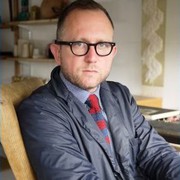
John David Rhodes
1969
John David Rhodes teaches film at the University of Cambridge, where he is Director of the Centre for Film and Screen. His publications include Stupendous, Miserable City: Pasolini’s Rome (Minnesota, 2007), Taking Place: Location and the Moving Image (co-edited with Elena Gorfinkel, Minnesota 2011), and Spectacle of Property: The House in American Film (Minnesota, 2017). He is a founding co-editor of the online film and visual theory journal World Picture. He taught at Sussex from 2006 until 2014. He was a Visiting Fellow in the School of English, while teaching at the University of Cambridge where he was a University Lecturer in Film in the Faculty of Modern and Medieval Languages (D…
Reviews
No reviews yet — be the first to write one from the Log screen.
Quotes
No quotes yet.