fraeon
Films
BrowseTop 250
Series
TV ShowsAnimeTop 250 TVTop 100 Anime
Games
BrowseTop 100
Books
BooksMangaTop 125 BooksTop 100 Manga
For youTrendingTier ListsThe ArchiveLeaderboard
Log inSign up free
fraeon

Everything you watch, play and read — tracked, rated and remembered in one library.

Explore

  • Films
  • TV
  • Anime
  • Games
  • Books
  • Manga

Discover

  • Trending
  • Leaderboard
  • Find people
  • Lists
  • Tier lists

Company

  • Tour
  • About
  • Community guidelines
  • Privacy
  • Terms
  • Contact

© 2026 fraeon. All rights reserved. ·

Metadata from TMDB, RAWG, Jikan & Open Library. This product uses the TMDB API but is not endorsed or certified by TMDB.

Questions or ideas? mehmet@avortas.com

HomeFeedProfile
Who will do science?

Who will do science?

by Willie Pearson, Alan Fechter

Naturwissenschaftliche BildungZukunftScience and stateEngineering and stateDemographic aspects
0.0
Open Library
Open Library

About this book

The question "Who will do science?" is one of growing urgency in the United States. Fewer U.S. college students are choosing to study math, science, and engineering - and half of those who do eventually switch to non-science majors. Moreover, U.S. students do not perform well on science and math achievement tests or in international competitions. If current trends continue, there will be a shortage of qualified candidates to fill the vacancies when scientists trained in the 1950s and 1960s retire. In Who Will Do Science? scholars and policy analysts from a variety of disciplines describe the present demographic situation, analyze the effectiveness of current programs for recruitment and retention, and examine policies that will improve the education of tomorrow's scientists and engineers. Topics discussed include the motives of students as they consider careers; the attitudes and influence of parents, teachers, and peers; the challenges faced by women and minorities; and the need for financial support during the lengthy training required to pursue careers in science.

Themes & subjects

Naturwissenschaftliche BildungZukunftScience and stateEngineering and stateDemographic aspectsEducation and state

Setting

United StatesUSA

About the author

Willie Pearson

1945

Authors

Willie Pearson, Alan Fechter

Pages

184

Read time

≈ 5h

Editions

2

Language

English

Publisher

The Johns Hopkins University Press

ISBN

9780801848575

Where to buy

TR
Amazon Bookshop

Reviews

No reviews yet — be the first to write one from the Log screen.

Quotes

No quotes yet.

Discussions

Similar books

Why Science?

Naturwissenschaftliche Bildung · Science

Why Science?

Jame Trefil

2007

Nineteen Eighty-Four

futurology · censorship

Nineteen Eighty-Four

George Orwell

1949

Fahrenheit 451

Mechanical Hound · girl next door

Fahrenheit 451

Ray Bradbury

1953

The World Is Flat -A Brief History OF THE TWENTY-FIRST CENTURY

Diffusion of innovations · Social aspects

The World Is Flat -A Brief History OF THE TWENTY-FIRST CENTURY

Thomas L. Friedman

2005

The Passage

FICTION · MODERN & CONTEMPORARY FICTION (POST C 1945)

The Passage

Justin Cronin

2010

The Year of the Flood

Fiction · Regression (Civilization)

The Year of the Flood

Margaret Atwood

2009

The Clash of Civilizations and the Remaking of World Order

Civilisation · Civilización moderna

The Clash of Civilizations and the Remaking of World Order

Samuel P. Huntington

1996

The World Without Us

Human-plant relationships · Efecto del ser humano sobre

The World Without Us

Alan Weisman

2007

La possibilité d'une île

Fiction · Aging

La possibilité d'une île

Michel Houellebecq

2005

Memo to the President elect

Foreign relations · Nonfiction

Memo to the President elect

Madeleine Korbel Albright

2008

The third wave

Modern Civilization · Social change

The third wave

Alvin Toffler

1980

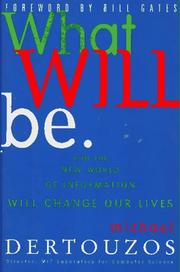
What will be

Information services industry · Information society

What will be

Michael L. Dertouzos

1997

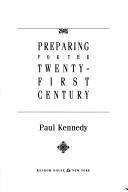
Preparing for the twenty-first century

Economic forecasting · Forecasts

Preparing for the twenty-first century

Paul M. Kennedy

1993

The Grand Chessboard

Foreign relations · Geopolitics

The Grand Chessboard

Zbigniew Brzezinski

1997

The Next Christendom

Forecasting · Christianity

The Next Christendom

Philip Jenkins

2002