Shadows
by Neil MacGregor, Nicholas Penny, E. H. Gombrich
Art criticismArt, historyShades and shadows in artVisual perceptionExhibitions
0.0
Open LibraryAbout this book
Cast shadows have been exploited in art to enhance the impression of the surrounding light as well as that of the solidity of the casting objects. They can contribute to the mood of the scene, and can reveal the presence of features outside the space represented, but as Professor Gombrich points out, they appear only sporadicaly and have been more frequently ignored or suppressed in Western art. Gombrich touches on the ambiguous nature of shadows in myth, legend, and philosophy, and briefly analyses the factors governing their shape: the location and form of the light source, the shape of the illuminated object and that of the surface on which the shadow falls, and the position of the viewer. Early Renaissance painters such as Masaccio and Campin, intent on a faithful rendering of visual reality, did incorporate shadows in their art, but artists of Leonardo's time largely avoided painting them, and it was not until early in the seventeenth century that painters - particualrly Caravaggio and Rembrandt - were again interested in the effects of shadows. In subsequent centuries artists of the Romantic, Impressionist and Surrealist movements exploited the device of the cast shadow to enhance the realism or drama of their images.
Themes & subjects
Art criticismArt, historyShades and shadows in artVisual perceptionExhibitionsEuropean Art
About the author
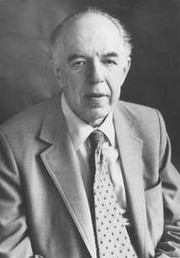
E. H. Gombrich
1909 – 2001
Sir Ernst Hans Josef Gombrich, OM, CBE (30 March 1909 – 3 November 2001) was an Austrian-born art historian who became a naturalized British citizen in 1947 and spent most of his working life in the United Kingdom. He was the author of many works of cultural history and art history, including The Story of Art, a book widely regarded as one of the most accessible introductions to the visual arts.
Reviews
No reviews yet — be the first to write one from the Log screen.
Quotes
No quotes yet.