The ancient engineers
5.0
Open LibraryFirst lines
Civilization, as we know it today, owes its existence to the engineers.
Civilization, as we know it today, owes its existence to the engineers.
About this book
This book is about those whose genius enabled the Egyptians to build their pyramids, the Phoenicians to cross stormy seas, the Romans to erect magnificent public buildings--that this carefully researched and fascinatingly written account of the advance of early technology has been written.Mr. de Camp describes the methods used by early irrigators, architects, and military engineers to build and maintain structures to serve their rulers' wants. He tells, for example, how the Pharaohs erected obelisks and pyramids, how Nebuchadnezzar fortified Babylon, how Dionysios' ordnance department invented the catapult, how the Chinese built the Great Wall, and how the Romans fashioned their roads, baths, sewers, and aqueducts. He recounts many intriguing anecdotes: an Assyrian king putting up no-parking signs in Nineveh; Plato inventing a water clock with an alarm to signal the start of his classes; Heron of Alexandria designing a coin-operated holy-water fountain; a Chinese emperor composing a poem to be inscribed on a clock invented by one of his civil servants.
Themes & subjects
EngineeringHistoryScience, historyScience, ancientEngineering, historyEspionage
First published 1963About the author
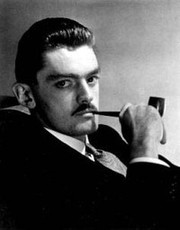
L. Sprague De Camp
November 27, 1907 – November 6, 2000
Lyon Sprague de Camp — known as L. Sprague de Camp — was an American writer of science fiction, fantasy, non-fiction and biography. In a career spanning 60 years, he wrote over 100 books, including novels and works of non-fiction, including biographies of other fantasy authors. - Wikipedia
Reviews
No reviews yet — be the first to write one from the Log screen.
Quotes
No quotes yet.