fraeon
Films
BrowseTop 250
Series
TV ShowsAnimeTop 250 TVTop 100 Anime
Games
BrowseTop 100
Books
BooksMangaTop 125 BooksTop 100 Manga
For youTrendingTier ListsThe ArchiveLeaderboard
Log inSign up free
fraeon

Everything you watch, play and read — tracked, rated and remembered in one library.

Explore

  • Films
  • TV
  • Anime
  • Games
  • Books
  • Manga

Discover

  • Trending
  • Leaderboard
  • Find people
  • Lists
  • Tier lists

Company

  • Tour
  • About
  • Community guidelines
  • Privacy
  • Terms
  • Contact

© 2026 fraeon. All rights reserved. ·

Metadata from TMDB, RAWG, Jikan & Open Library. This product uses the TMDB API but is not endorsed or certified by TMDB.

Questions or ideas? mehmet@avortas.com

HomeFeedProfile

Satirist

by Theodore Draper, Leonard Feinberg

Satire, history and criticism
0.0
Open Library
Open Library

About this book

"Satire takes as its subject the absurdity of human beings, their societies, and the institutions they create. For centuries, satirists themselves, scholars, critics, and psychologists have speculated about the satirist's reasons for writing, temperament, and place in society. The conclusions they have reached are sometimes contradictory, sometimes complementary, sometimes outlandish. In this volume, Leonard Feinberg brings together the major theories about the satirist, to provide in one book a summary of the problems that specialists have examined intensively in numerous books and articles. In part 1, Feinberg examines the major theories about the motivation of the satirist, and then proposes that "adjustment" comes most closely to answering this question. In his view, the satirist resolves his ambivalent relation to society through a playfully critical distortion of the familiar. The personality of the satirist, the apparently paradoxical elements of his nature, the problem of why so many great humorists are sad men, and the contributions of psychoanalysts are explored in part 2, where Feinberg contends that the satirist is not as abnormal as he has sometimes been made to seem, and that if he is a neurotic he shares traits of emotional or social alienation with many others. Part 3 explores the beliefs of satirists and their relation to the environment within which they function, particularly in the contexts of politics, religion, and philosophy. Feinberg stresses the ubiquity of the satirist and suggests that there are a great many people with satiric temperaments who fa…

Themes & subjects

Satire, history and criticism

Authors

Theodore Draper, Leonard Feinberg

Pages

393

Read time

≈ 10h

Editions

7

Language

English

Publisher

Taylor & Francis Group

ISBN

9781351474627

Where to buy

TR
Amazon Bookshop

Reviews

No reviews yet — be the first to write one from the Log screen.

Quotes

No quotes yet.

Discussions

Similar books

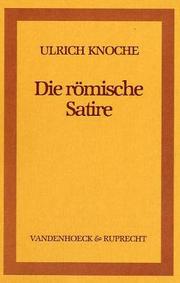
Die römische Satire

History and criticism · Latin Satire

Die römische Satire

Ulrich Knoche

1949

The literature of satire

History and criticism · Satire

The literature of satire

Charles A. Knight

2004

Horace (Routledge Revivals)

Horace · Latin poetry, history and criticism

Horace (Routledge Revivals)

C. D. N. Costa

2013

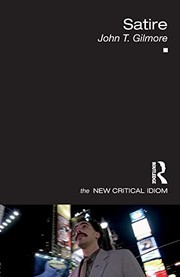
Satire

Satire, history and criticism · Satire

Satire

John T. Gilmore

2017

The anatomy of satire

Satire, history and criticism · Satire

The anatomy of satire

Gilbert Highet

1962

Contemporary Russian Satire

History and criticism · Russian wit and humor

Contemporary Russian Satire

Karen L. Ryan-Hayes

1996

Ironie Dans la Presse Satirique

Irony in literature · Satire, history and criticism

Ironie Dans la Presse Satirique

Elena Siminiciuc

2015

Essays on Roman Satire

Satire, history and criticism

Essays on Roman Satire

William S. Anderson

2014