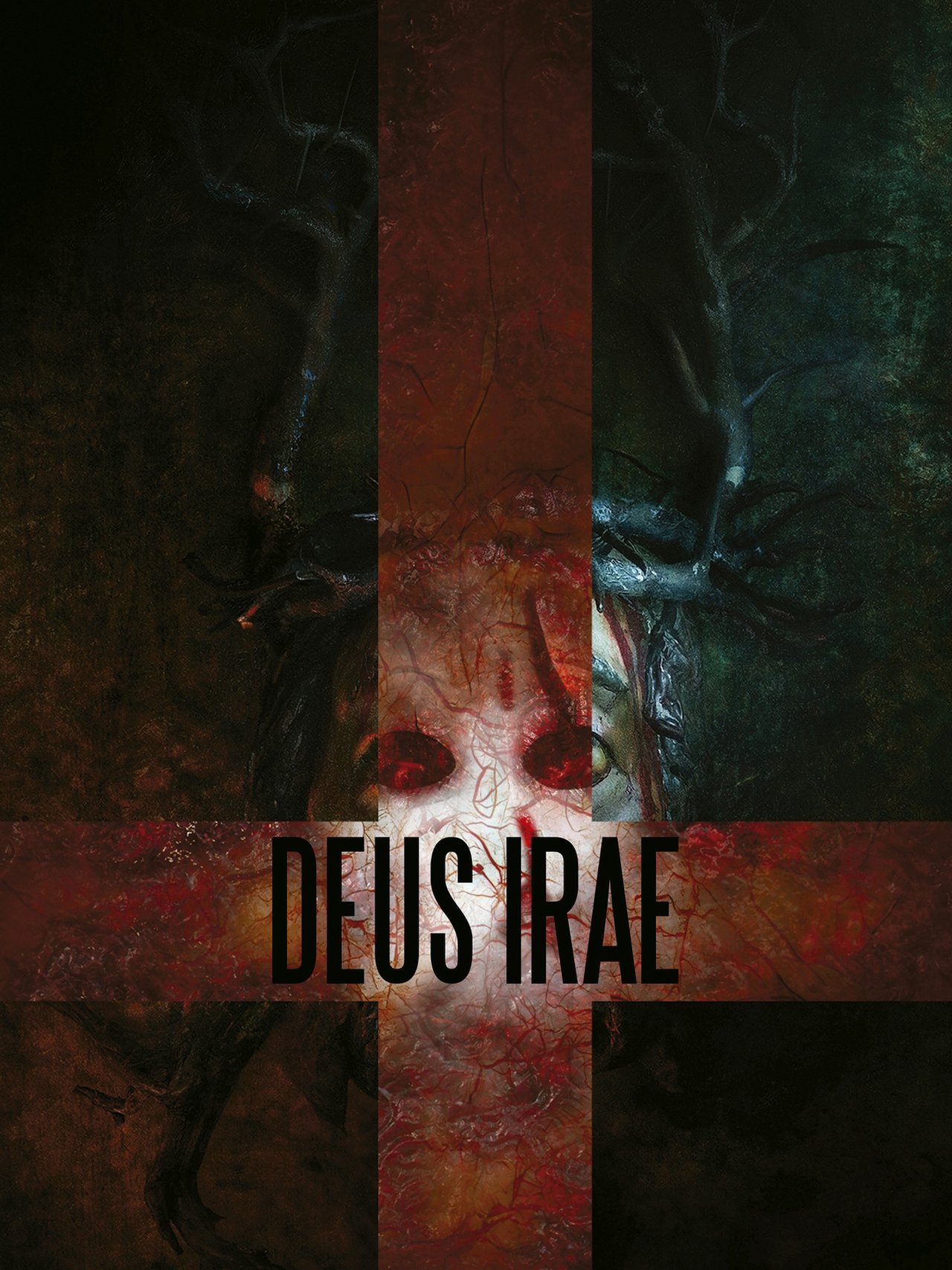
Deus Irae
by Philip K. Dick, Roger Zelazny
1976Fiction in EnglishFiction, science fiction, generalWorld war iii, fictionArtists, fictionFiction, general
1.8
Open LibraryAbout this book
Deus Irae is a post-apocalyptic science fiction novel by American authors Philip K. Dick and Roger Zelazny. It was published in 1976. Deus irae, meaning God of Wrath in Latin, is a play on Dies Irae, meaning Day of Wrath or Judgment Day. This novel is based on Dick's short story "The Great C." Dick began the book but realized he did not know enough about Christianity to finish it. He asked Ted White to collaborate on it with him, but after reviewing the manuscript White never got started. Zelazny discovered the manuscript in White's home in early 1968, read it, then contacted Dick and agreed to work on it with him. Work proceeded sporadically over several years as each author forgot about it in turn (and Zelazny's cat took the opportunity to urinate on the original manuscript). But they finished it quickly in the spring of 1975 when the publisher demanded the manuscript or repayment of the advance paid to Dick. The editor discovered Zelazny had sent photocopies of some pages and demanded the originals as per Doubleday's policy; much to Zelazny's chagrin, he had to send in the urine-stained pages and he always wondered what the editor made of them.
Themes & subjects
Fiction in EnglishFiction, science fiction, generalWorld war iii, fictionArtists, fictionFiction, generalPainters with disabilities
First published 1976About the authors
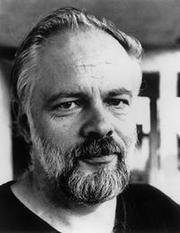
Philip K. Dick
16 December 1928 – 2 March 1982
Philip Kindred Dick was an American novelist, short story writer, and essayist whose published work during his lifetime was almost entirely in the science fiction genre. Dick explored sociological, political and metaphysical themes in novels dominated by monopolistic corporations, authoritarian governments, and altered states. In his later works, Dick's thematic focus strongly reflected his personal interest in metaphysics and theology. He often drew upon his own life experiences and addressed the nature of drug abuse, paranoia and schizophrenia, and transcendental experiences in novels such as A Scanner Darkly and VALIS. Source and more information: [Wikipedia (EN)](http://en.wikipedia.o…

Roger Zelazny
13 May 1937 – 14 June 1995
Roger Joseph Zelazny (May 13, 1937 – June 14, 1995) was an American fantasy and science fiction writer known for his short stories and novels, best known for The Chronicles of Amber series. He won the Nebula Award three times (out of 14 nominations) and the Hugo Award six times (also out of 14 nominations), including two Hugos for novels: the serialized novel ...And Call Me Conrad (1965), subsequently published under the title This Immortal (1966), and the novel Lord of Light (1967).
Reviews
No reviews yet — be the first to write one from the Log screen.
Quotes
No quotes yet.