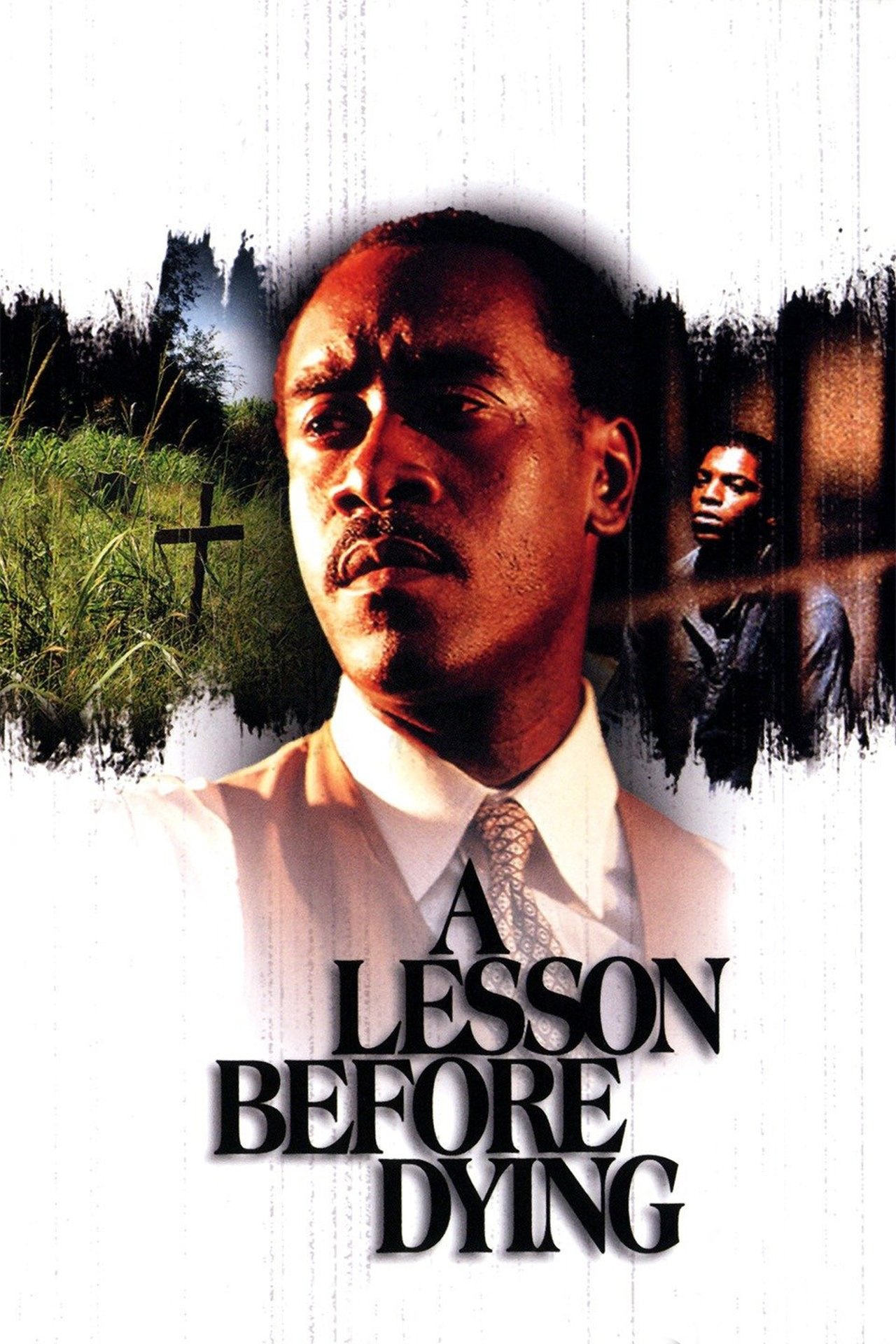
A Lesson Before Dying
4.2
Open LibraryFirst lines
I WAS NOT THERE, yet I was there.
I WAS NOT THERE, yet I was there.
About this book
In his first novel in ten years, Ernest Gaines, the highly acclaimed author of the best-selling The Autobiography of Miss Jane Pittman, brings us a wrenching story of death and identity in a small Cajun Louisiana community in the late 1940s. A young black named Jefferson is a reluctant party in a shoot-out in a liquor store in which the three other men involved are all killed, including the white store owner. Jefferson, the only survivor, is accused of murder. At the trial, the essence of the defense is that the accused, a lowly form of existence lacking even a modicum of intelligence, is incapable of premeditated murder. His lawyer argues: "Why, I would just as soon put a hog in the electric chair as this." But Jefferson is condemned to death. Grant Wiggins, who left his small rural black community to go to university, has returned to the plantation school to teach children whose lives promise to be not much better than Jefferson's. But he wonders whether he has the will to take off north or west like so many before him who knew it was the only way to climb out of a centuries-old rut. He is grappling with his own situation when Jefferson's godmother and Grant's aunt persuade Grant to impart something of himself, of his learning and pride, to Jefferson before his death - to prove the lawyer wrong. A Lesson Before Dying tells the story of these two men who, through no choice of their own, come together and form a bond in the realization that sometimes simply choosing to resist the expected is an act of heroism. Ernest Gaines brings to the novel the same rich sense of place…
Themes & subjects
FictionRace relationsAfrican American menFriendshipDeath row inmatesNational Book Critics Circle Award Winner
First published 1993Setting
Louisiana
About the author
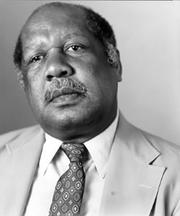
Ernest J. Gaines
15 January 1933
Ernest J. Gaines was born on a plantation in Pointe Coupee Parish, Louisiana, the oldest of 12 children. His parents moved to Vallejo, California during World War II, so he was raised by his aunt, who was crippled and limited to crawling to get around. His was the fifth generation of share croppers to live on the plantation, and his family lived in a house that had formerly been slave quarters. During the summers, he picked cotton, and during the winters he was educated at the the plantation church. He spent three years at St. Augustine School, a Catholic school for African Americans in New Roads, but his education ended at the eighth grade because there was no further education offered to A…
Reviews
No reviews yet — be the first to write one from the Log screen.
Quotes
No quotes yet.