One Hundred
by Philip K. Dick, Ray Bradbury, Isaac Asimov
Fiction, fantasy, contemporaryFiction, horrorFiction, science fiction, action & adventure
0.0
Open LibraryAbout this book
Jackie Sees a Star by Marion Zimmer Bradley All Cats are Gray by Andre Norton Song in a Minor Key by C. L. Moore Travel Diary by Alfred Bester Pythias by Frederik Pohl The Good Neighbors by Edgar Pangborn The Sound of Silence by Barbara Constant The Intruder by Emil Petaja An Ounce of Cure by Alan Edward Nourse Longevity by Therese Windser The Ghost of Mohammed Din by Clark Ashton Smith Of Time and Texas by William F. Nolan Native Son by Thelma Hamm Evans Gorgono and Slith by Ray Bradbury The Eyes Have It by Philip K. Dick The Putnam Tradition by Sonya Dorman Gods of the North by Robert E. Howard Small World by William F. Nolan Nightmare on the Nose by Evelyn E. Smith Collector's Item by Robert F. Young Crossroads of Destiny by H. Beam Piper The Hoofer by Walter M. Miller, Jr. Doorstep by Keith Laumer The Jovian Jest by Lilith Lorraine Dream World by R. A. Lafferty Shatter the Wall by Sydney Van Scyoc The Big Engine by Fritz Leiber Misbegotten Missionary by Isaac Asimov The One and the Many by Milton Lesser The Glory of Ippling by Helen M. Urban Where There's Hope by Jerome Bixby 2BR02B by Kurt Vonnegut, Jr. Disqualified by Charles L. Fontenay No Strings Attached by Lester del Rey Zeritsky's Law by Ann Griffith Say Hello for Me by Frank W. Coggins Navy Day by Harry Harrison The Undersea Tube by Lucile Taylor Hansen Probability by Louis Trimble No Shield from the Dead by Gordon R. Dickson I'll Kill You Tomorrow by Helen Huber The Secret of Kralitz by Henry Kuttner Never Stop to Pat a Kitten by Miriam Allen deFord More than Shadow by…
Themes & subjects
Fiction, fantasy, contemporaryFiction, horrorFiction, science fiction, action & adventure
About the authors
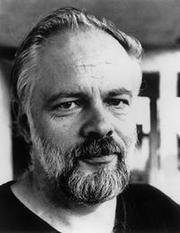
Philip K. Dick
16 December 1928 – 2 March 1982
Philip Kindred Dick was an American novelist, short story writer, and essayist whose published work during his lifetime was almost entirely in the science fiction genre. Dick explored sociological, political and metaphysical themes in novels dominated by monopolistic corporations, authoritarian governments, and altered states. In his later works, Dick's thematic focus strongly reflected his personal interest in metaphysics and theology. He often drew upon his own life experiences and addressed the nature of drug abuse, paranoia and schizophrenia, and transcendental experiences in novels such as A Scanner Darkly and VALIS. Source and more information: [Wikipedia (EN)](http://en.wikipedia.o…
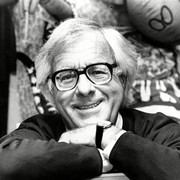
Ray Bradbury
22 August 1920 – 5 June 2012
Ray Bradbury is one of those rare individuals whose writing has changed the way people think. His more than five hundred published works -- short stories, novels, plays, screenplays, television scripts, and verse -- exemplify the American imagination at its most creative. Once read, his words are never forgotten. His best-known and most beloved books, *The Martian Chronicles*, *The Illustrated Man*, *Fahrenheit 451* and *Something Wicked This Way Comes*, are masterworks that readers carry with them over a lifetime. His timeless, constant appeal to audiences young and old has proven him to be one of the truly classic authors of the 20th Century -- and the 21st. In recognition of his s…
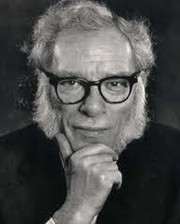
Isaac Asimov
2 January 1920 – 6 April 1992
Asimov was born sometime between October 4, 1919 and January 2, 1920 in Petrovichi in Smolensk Oblast, RSFSR (now Russia), the son of a Jewish family of millers. Although his exact date of birth is uncertain, Asimov himself celebrated it on January 2. His family emigrated to Brooklyn, New York and opened a candy store when he was three years old. He taught himself to read at the age of five. He began reading the science fiction pulp magazines that his family's store carried. Around the age of eleven, he began to write his own stories, and by age nineteen, he was selling them to the science fiction magazines. He graduated from Columbia University in 1939. He married Gertrude Blugerman in 1…
Reviews
No reviews yet — be the first to write one from the Log screen.
Quotes
No quotes yet.



![The Hound of Death and Other Stories [12 stories]](https://covers.openlibrary.org/b/id/13666175-M.jpg#w=1280)