Фома Гордеев
1906FictionSocial life and customsSoviet union, fictionContinental european fiction (fictional works by one author)Classic Literature
0.0
Open LibraryAbout this book
Out of the darkest depths of life, where vice and crime and misery abound, comes the Byron of the twentieth century, the poet of the vagabond and the proletariat, Maxim Gorky. Not like the beggar, humbly imploring for a crust in the name of the Lord, nor like the jeweller displaying his precious stones to dazzle and tempt the eye, he comes to the world, - nay, in accents of Tyrtaeus this commoner of Nizhni Novgorod spurs on his troops of freedom-loving heroes to conquer, as it were, the placid, self- satisfied literatures of to-day, and bring new life to pale, bloodless frames.
Themes & subjects
FictionSocial life and customsSoviet union, fictionContinental european fiction (fictional works by one author)Classic Literature
First published 1906Setting
Soviet UnionRussia
About the author
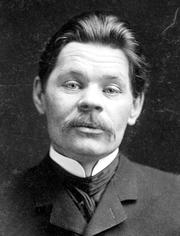
Максим Горький
1868 – 1936
Gorky, Maxim or Maksim [Rus.,=Maxim the Bitter], pseud. of Aleksey Maximovich Pyeshkov, 1868-1936, Russian writer. Gorky is considered the father of Soviet literature and the founder of the doctrine of socialist realism. Instilled by his grandmother with a love of romantic tales and great sympathy for mankind, Gorky began a nomadic life at 12, wandering the Volga area. Since the czar's schools were closed to peasants, he educated himself, an experience he describes in My Universities (1923). He held dozens of menial jobs, publishing his first story in 1892. Gorky then became a journalist and married a colleague on the Samarskaya Gazeta. His articles exposed local corruption and he soon lo…
Reviews
No reviews yet — be the first to write one from the Log screen.
Quotes
No quotes yet.