4.0
Open LibraryAbout this book
"Ralph Messenger is a man who knows what he wants and generally gets it. As director of the prestigious Holt Belling Center for Cognitive Science at the University of Gloucester, he is much in demand as a pundit on developments in artificial intelligence and the study of human consciousness. Known to his colleagues as a womanizer, he has reached a tacit understanding with his American wife Carrie to refrain from philandering in his own backyard.". "This resolution is already weakening when he meets and is attracted to Helen Reed, a recently widowed novelist who has taken up a post as writer in residence at Gloucester. Fascinated and challenged by a personality and a worldview radically at odds with her own, Helen is aroused by Ralph's bold advances but resists on moral principle. The standoff between them is shattered by a series of events and discoveries that dramatically confirm the truth of Ralph's dictum that "we can never know for certain what another person is thinking.""--BOOK JACKET.
Themes & subjects
FictionWomen authorsCollege teachersEmployeesUniversities and colleges18.05 English literature
First published 2001Setting
England
About the author
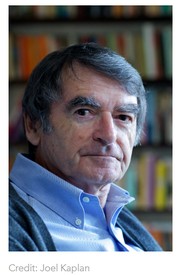
David Lodge
28 January 1935 – 1 January 2025
David Lodge (born January 28, 1935, London, England—died January 1, 2025, Birmingham, England) was an English novelist, literary critic, playwright, and editor known chiefly for his satiric novels about academic life, especially the Campus trilogy: Changing Places: A Tale of Two Campuses (1975), Small World: An Academic Romance (1984), and Nice Work (1988). Lodge was educated at University College, London (B.A., 1955; M.A., 1959), and at the University of Birmingham (Ph.D., 1967). His early novels, known mostly in England, included The Picturegoers (1960), about a group of Roman Catholics living in London; Ginger, You’re Barmy (1962), Lodge’s novelistic response to his army service in the…
Reviews
No reviews yet — be the first to write one from the Log screen.
Quotes
No quotes yet.