4.0
Open LibraryAbout this book
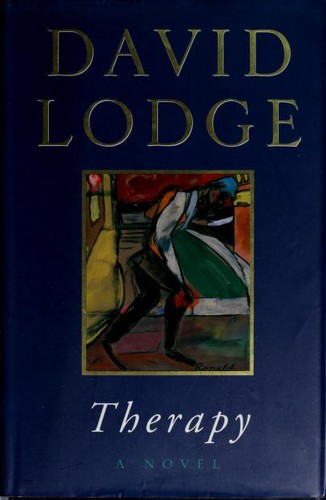
To all appearances, Laurence Passmore is sitting pretty. True, he's almost bald and his nickname is "Tubby," but the TV sitcom he writes keeps the money coming in, he has an exclusive house in Rummidge, a state-of-the-art car, a vigorous sex life with his wife of thirty years, a flat in London, and a platonic mistress to talk shop with on his regular business trips. What his money can't buy, and his many therapists can't deliver, is contentment. It's not the trouble behind the scenes of his TV show that is bugging him, or even the persistent pain in his knee which expensive surgery fails to alleviate. It's a deeper, nameless unease, and his quest for the source of it will lead him into an obsession with Kierkegaard, brushes with the police, gossip-column notoriety, and strange beds and bedrooms worldwide. As his ordered life threatens to unravel, Tubby struggles to tie up the ends by going back to the beginning - to South London, his first love, and an act of bad faith which he had suppressed but never entirely recovered from.
Themes & subjects
FictionPsychotherapyMidlife crisisTelevision writersEnglish fictionLarge type books
First published 1995Setting
London (England)
About the author
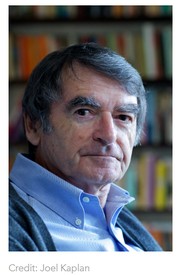
David Lodge
28 January 1935 – 1 January 2025
David Lodge (born January 28, 1935, London, England—died January 1, 2025, Birmingham, England) was an English novelist, literary critic, playwright, and editor known chiefly for his satiric novels about academic life, especially the Campus trilogy: Changing Places: A Tale of Two Campuses (1975), Small World: An Academic Romance (1984), and Nice Work (1988). Lodge was educated at University College, London (B.A., 1955; M.A., 1959), and at the University of Birmingham (Ph.D., 1967). His early novels, known mostly in England, included The Picturegoers (1960), about a group of Roman Catholics living in London; Ginger, You’re Barmy (1962), Lodge’s novelistic response to his army service in the…
Reviews
No reviews yet — be the first to write one from the Log screen.
Quotes
No quotes yet.