2.8
Open LibraryFirst lines
One night when I had tasted bitterness I went out on to the hill.
One night when I had tasted bitterness I went out on to the hill.
... The sequence of events in the successfully waking world was generally more or less as follows. The starting point, it will be remembered, was a plight like that in which our own Earth now stands. The dialectic of the world's history had confronted the race with a problem with which the traditional mentality could never cope. The world-situation had grown too complex for lowly intelligences, an…
... The result of this extraordinary custom, of artificial fatherhood by "brute-men", which was carried on without remission in all countries for a generation, and in a less thorough manner for a very much longer period, was to alter the composition of the whole quasi-human race. In order to maintain continued adaptability to an ever-changing environment a race must at all costs preserve in itself…
About this book
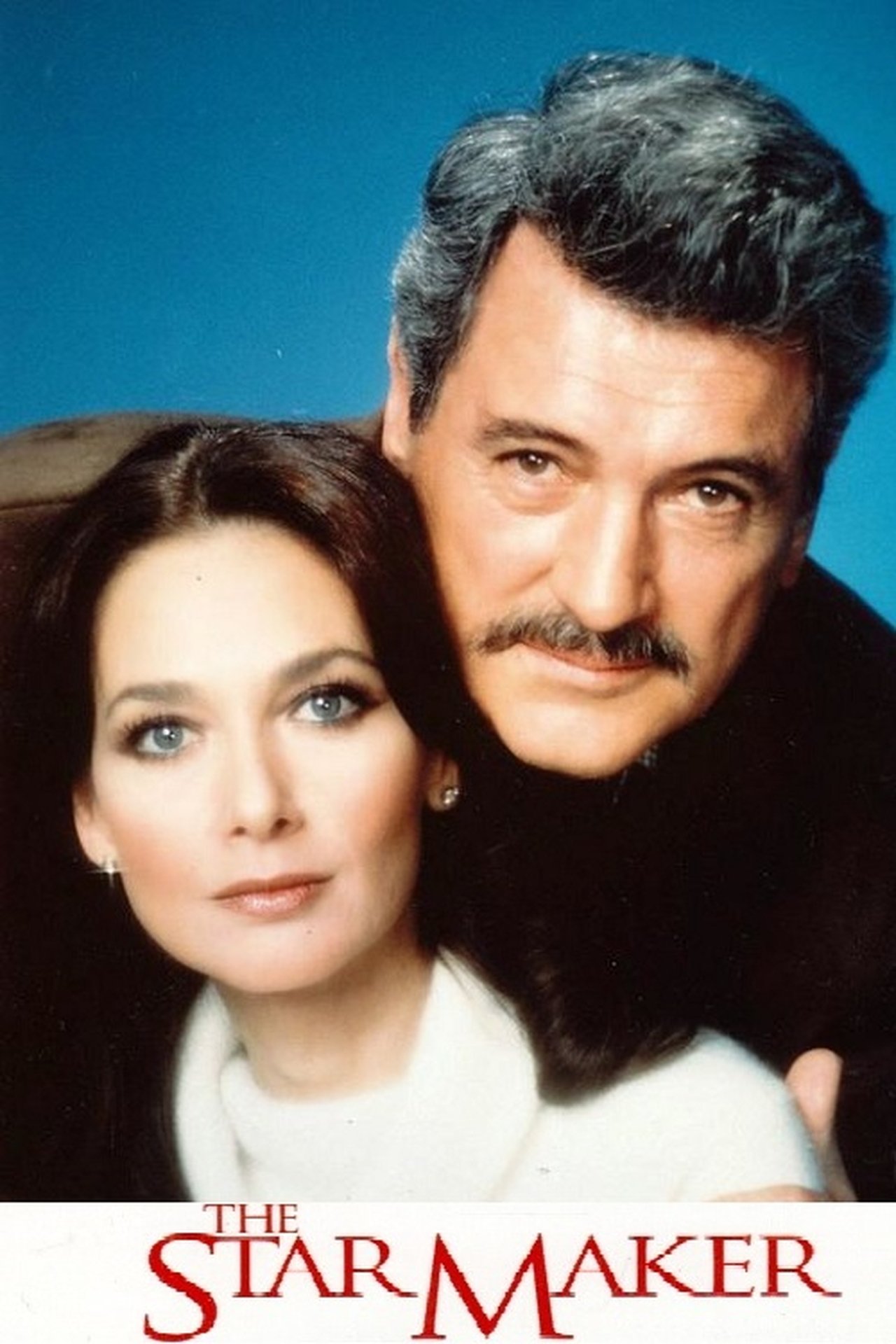
After reading "Last and First Men", I approached Olaf's next masterpiece, "Star Maker" ( first published in 1937), with some disbelief as to how on earth he could possibly better the span, pathos and magnanimity he had already laid out. A quick scan of the appendices yielded the impression that this book would embrace not just the tiny fragment of history that was mankind's stay in the universe, but that all history of the universe would be described, and that of other universes too. All of this in less pages than "Last and First Men"! My immediate reaction was simply, "No way, Jose" and I wondered how he was going to set about such an immense task. The vehicle used was, of course, the best man has going for him - his imagination. A contemplative man is whisked off on an imaginary journey through space and time by an ever-gathering mass consciousness. He describes how galaxies of stars formed from nebulae that were born flying apart from each other, how these cooling nebulae condensed into galaxies of stars, and how the rare occurrences of young stars that passed each other, formed planets, and how, on a few rare planets, intelligent life evolved. He shows how certain conditions inhibit the appearance of life, or intelligent life, and how certain evolutionary pathways cause life to stagnate or wipe itself out. He puts mankind's existence into perspective in both universal time and space. There are touching moments and there are exciting battles. There is both tragedy and comedy. There are uplifting victories and crushing defeats. Far from being stuffy, this book is reall…
Themes & subjects
Fiction, generalFiction in EnglishScience fictionFictionCosmologyLong Now Manual for Civilization
First published 1999About the author
Olaf Stapledon
1886-05-10 – 1950-09-06
Reviews
No reviews yet — be the first to write one from the Log screen.
Quotes
No quotes yet.