About this book
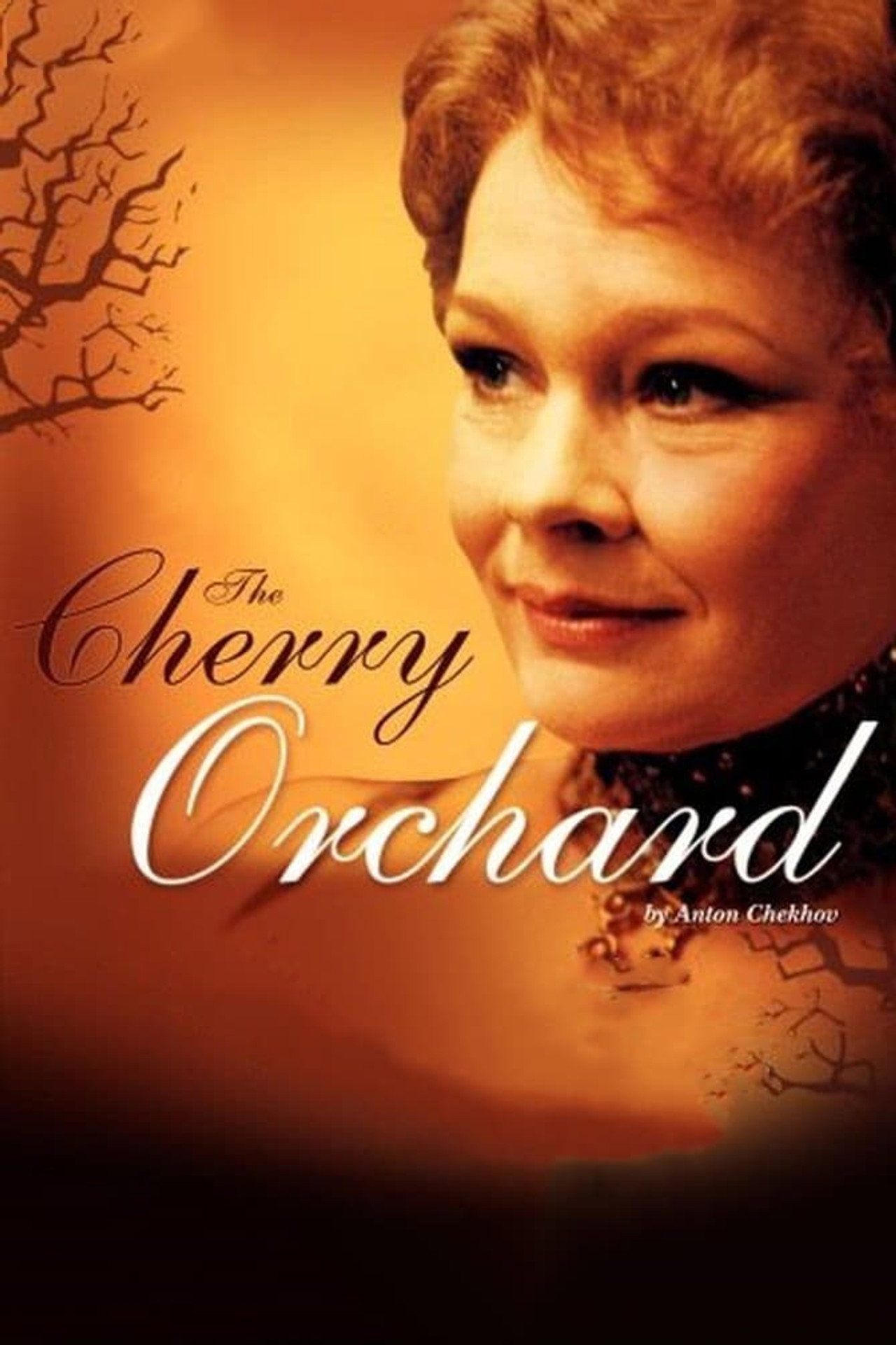
For decades after its first performance in 1904, Anton Chekhov's The Cherry Orchard fomented controversy among producers, actors, critics, and audiences. Along with its intrinsic textual richness, linguistic power, and subtlety, the play is saturated with many different, apparently incompatible, elements; it constantly shifts from comedy to pathos, its language concomitantly oscillating from music hall vulgarity to prose poetry. Chekhov assigned a personal way of speaking to each character, divorcing consequence from action, cause from effect. Despite the controversy generated by its paradoxical nature, however, The Cherry Orchard has become a milestone in twentieth-century drama. . In this astute analysis of Chekhov's last play, Donald Rayfield argues that The Cherry Orchard can be best understood when read as a culmination of the dramatist's major plays, particularly The Seagull (1896) and Three Sisters (1901). Stressing that Chekhov the playwright is inseparable from Chekhov the story writer, Rayfield points up instances in which the author "reuses" material from such classic stories as "A Visit to Friends," "Panpipes," "The Black Monk," and "The Bride.". An engaging history of the how the play came to be - complete with citations from Chekhov's notebooks to show the parallels between his life and the lives of his characters - amplifies Rayfield's dissemination of the dramatist's themes and stylistics technique. Rayfield further uses Chekhov's letters to and from those involved in the initial production - the Moscow Arts Theater director Konstantin Stanislavs…
Themes & subjects
First published 1994Characters & people
About the author

Donald Rayfield
1942-02-12
Patrick Donald Rayfield (born 12 February 1942, Oxford) is a British academic and Emeritus Professor of Russian and Georgian at Queen Mary University of London. He is an author of books about Russian and Georgian literature, and about Joseph Stalin and his secret police. He is also a series editor for books about Russian writers and intelligentsia. He has translated Georgian, Russian and Uzbek poets and prose writers.
Reviews
No reviews yet — be the first to write one from the Log screen.
Quotes
No quotes yet.
Discussions
Nothing similar catalogued yet.