Walking with the wind
2001African American civil rights workersAfro-AmericansStudent Nonviolent Coordinating Committee (U.S.)United States. Congress. HouseLegislators
3.0
Open LibraryFirst lines
I took a drive not long ago, south out of Atlanta, where I've made my home for the past three decades, down into Alabama to visit my mother and brothers and sisters.
I took a drive not long ago, south out of Atlanta, where I've made my home for the past three decades, down into Alabama to visit my mother and brothers and sisters.
About this book
The son of an Alabama sharecropper, and now a sixth-term United States Congressman, John Lewis has led an extraordinary life, one that found him at the epicenter of the civil rights movement in the late '50s and '60s. As Chairman of the Student Nonviolent Coordinating Committee (SNCC), Lewis was present at all the major battlefields of the movement. Arrested more than forty times and severely beaten on several occasions, he was one of the youngest yet most courageous leaders. Walking with the Wind offers rare insight into the movement and the personalities of all the civil rights leaders-what was happening behind the scenes, the infighting, struggles, and triumphs. Lewis takes us from the Nashville lunch counter sit-ins to the Edmund Pettus Bridge in Selma, Alabama, where he led more than five hundred marchers on what became known as "Bloody Sunday."
Themes & subjects
African American civil rights workersAfro-AmericansStudent Nonviolent Coordinating Committee (U.S.)United States. Congress. HouseLegislatorsAfro-American legislators
First published 2001Characters & people
Setting
Southern StatesUnited States20th century
About the authors
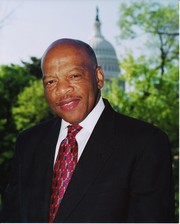
John Lewis
21 Feb 1940 – 17 Jul 2020
Often called "one of the most courageous persons the Civil Rights Movement ever produced," John Lewis has dedicated his life to protecting human rights, securing civil liberties, and building what he calls "The Beloved Community” in America. His dedication to the highest ethical standards and moral principles has won him the admiration of many of his colleagues on both sides of the aisle in the United States Congress. He has been called "the conscience of the U.S. Congress,” and Roll Call magazine has said, "John Lewis…is a genuine American hero and moral leader who commands widespread respect in the chamber.” He was born the son of sharecroppers on February 21, 1940, outside of Tro…

Reviews
No reviews yet — be the first to write one from the Log screen.
Quotes
No quotes yet.