fraeon
Films
BrowseTop 250
Series
TV ShowsAnimeTop 250 TVTop 100 Anime
Games
BrowseTop 100
Books
BooksMangaTop 125 BooksTop 100 Manga
For youTrendingTier ListsThe ArchiveLeaderboard
Log inSign up free
fraeon

Everything you watch, play and read — tracked, rated and remembered in one library.

Explore

  • Films
  • TV
  • Anime
  • Games
  • Books
  • Manga

Discover

  • Trending
  • Leaderboard
  • Find people
  • Lists
  • Tier lists

Company

  • Tour
  • About
  • Community guidelines
  • Privacy
  • Terms
  • Contact

© 2026 fraeon. All rights reserved. ·

Metadata from TMDB, RAWG, Jikan & Open Library. This product uses the TMDB API but is not endorsed or certified by TMDB.

Questions or ideas? mehmet@avortas.com

HomeFeedProfile
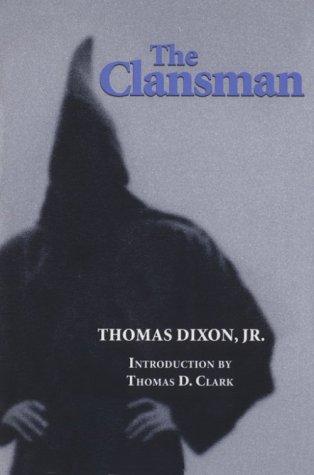
The Clansman

The Clansman

by Thomas Dixon Jr., Cary D. Wintz

FictionKu Klux Klan (1866-1869)Ku Klux Klan (1915- )Ku Klux Klan (19th cent.)Ku-Klux Klan
0.0
Open Library
Open Library

About this book

The Clansman: An Historical Romance of the Ku Klux Klan is a novel published in 1905. It was the second work in the Ku Klux Klan trilogy by Thomas F. Dixon, Jr. that included The Leopard's Spots and The Traitor. It was influential in providing the ideology that helped support the revival of the Ku Klux Klan (KKK). The novel was immediately adapted by its author as a play entitled The Clansman (1905) and by D. W. Griffith as the groundbreaking 1915 silent movie The Birth of a Nation. The play particularly inspired the second half of The Birth of a Nation, as it was concerned with the KKK and Reconstruction rather than the American Civil War. According to Professor Russell Merritt, key differences between the play and film are said to include that Dixon was more sympathetic to Southerners' pursuing education and modern professions, whereas Griffith stressed ownership of plantations; moreover, Dixon envisioned the KKK as more organized and structured than it was. Dixon wrote The Clansman as a message to Northerners to maintain racial segregation, as the work claimed that blacks when free would turn savage and violent, committing crimes such as murder, rape and robbery far out of proportion to their percentage of the population. He claimed to write for 18,000,000 southerners who supported his beliefs, though that many never joined the Klan. Dixon portrays the speaker of the house, Austin Stoneman, as a negro-loving legislator mad with power and eaten up with hate. His goal is to punish the Southern whites for their revolution against an oppressive government by turning th…

Themes & subjects

FictionKu Klux Klan (1866-1869)Ku Klux Klan (1915- )Ku Klux Klan (19th cent.)Ku-Klux KlanKu-Klux Klan (1866-1869)

Setting

South Carolina

About the authors
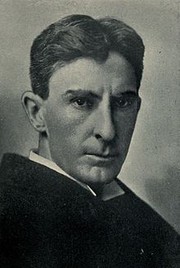
Thomas Dixon Jr.
Thomas Dixon Jr.

1864 – 1946

Thomas Frederick Dixon Jr. was a Southern Baptist minister, playwright, lecturer, North Carolina state legislator, lawyer, and author. Dixon used historical romance to present Negroes as inferior to whites and to glorify the antebellum American South. While he opposed slavery, he believed in racial segregation. He also wrote about the evils of socialism. - Wikipedia

Cary D. Wintz

1943

Authors

Thomas Dixon Jr., Cary D. Wintz

Pages

374

Read time

≈ 9h

Editions

18

Language

English

Publisher

M.E. Sharpe

ISBN

9781494757069

Where to buy

TR
Amazon Bookshop

Reviews

No reviews yet — be the first to write one from the Log screen.

Quotes

No quotes yet.
Discussions

Similar books

White terror

Ku-Klux Klan (1866-1869) · Reconstruction (U.S. history, 1865-1877)

White terror

Allen W. Trelease

1971

The lower South in American history

Ku-Klux Klan (1866-1869) · Politics and government

The lower South in American history

Brown, William Garrott

1902

When the Ku Klux rode

Ku-Klux Klan (1866-1869) · Ku Klux Klan (1866-1869)

When the Ku Klux rode

Eyre Damer

1912

Thicketty

Fiction · History

Thicketty

Jerrold D. Peeler

2010

The Ku Klux Klan and Related American Racialist and Antisemitic Organizations

Ku Klux Klan (1915- ) · History

The Ku Klux Klan and Related American Racialist and Antisemitic Organizations

Chester L. Quarles

1999

The Ku Klux Klan

Ku Klux Klan (1915- ) · Ku Klux Klan (1866-1869)

The Ku Klux Klan

Michael Newton

2006

The Chamber

alcoholism · loyalty oaths

The Chamber

John Grisham

1994

The Kentons

Classic Literature · Fiction

The Kentons

William Dean Howells

1902

The bone tree

Penn Cage (Fictitious character) · Fiction

The bone tree

Greg Iles

2012

History of bigotry in the United States

Toleration · Race relations

History of bigotry in the United States

Gustavus Myers

1943

A fool's errand

Fiction · Ku Klux Klan (1915- )

A fool's errand

Albion Winegar Tourgée

1879

Witness

Prejudices · Ku Klux Klan

Witness

Karen Hesse

2000

Lay that trumpet in our hands

Race relations · Ku Klux Klan (1915- )

Lay that trumpet in our hands

Susan Carol McCarthy

2002

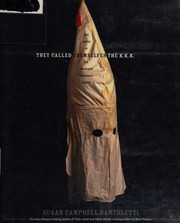
They called themselves the K.K.K.

Ku Klux Klan (19th cent.) · Race relations

They called themselves the K.K.K.

Susan Campbell Bartoletti

2010

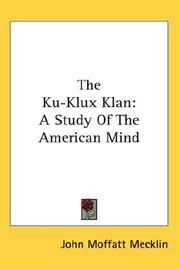
The Ku Klux Klan

Ku Klux Klan (1915- ) · Ku Klux Klan

The Ku Klux Klan

John Moffatt Mecklin

1924

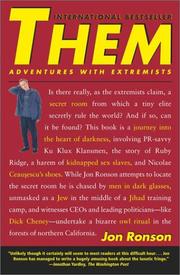
Them

Bildergerg Group · Political leadership

Them

Jon Ronson

2001

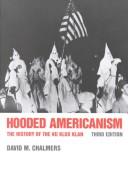
Hooded Americanism

Ku Klux Klan (1915- ) · Ku-Klux Klan (1866-1869)

Hooded Americanism

David Mark Chalmers

1965

The fiery cross

History · Ku Klux Klan

The fiery cross

Wyn Craig Wade

1986