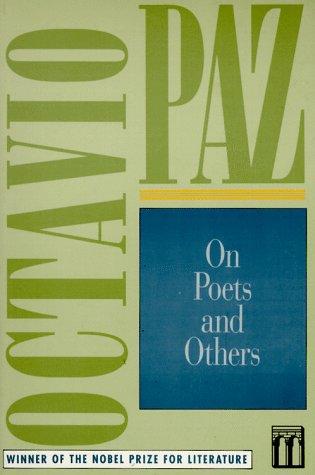
Essays
by Octavio Paz
CivilizationHistory and criticismMexican ArtMexican National characteristicsModern Literature
0.0
Open LibraryAbout this book
"Octavio Paz probes the mystery of pre-Columbian art--it's 'otherness', its unique concept of time--and connects it to the ideas of Baudelaire and Nietzsche. He tells the estory of Hermenegildo Bustos, a self-taught painter in a remote Mexican village, and compares his work to the sarcophagi portraits of the Egyptian Fayum. He demonstrates how the Mexican muralists--Rivera, Siqueiros, Orozco--were influenced by European Cubism, Fauvism, Expressionism, and how they in turn influenced American painters, Gorky, Rothko, Pollock. The abstract art of Tamayo evokes for him the music of Bela Bartók, and the canvases of María Izquierdo suggest the poetry of Apollinaire. In these fourteen wide-ranging essays, Paz makes art, philosophy, religion, and the history of the world converge as he celebrates the richness of Mexico"--Publisher's description, p. [2] of dust jacket.
Themes & subjects
CivilizationHistory and criticismMexican ArtMexican National characteristicsModern LiteratureSocial life and customs
Setting
Mexico19th century20th century
About the author
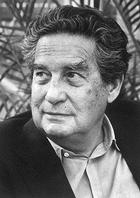
Octavio Paz
31 March 1914 – 19 April 1998
[Octavio Paz Lozano][1] (México, DF, 31 de marzo de 1914 - 19 de abril de 1998) fue un poeta, escritor, ensayista y diplomático mexicano, fue miembro de El Colegio Nacional y ganador del premio Nobel de Literatura (1990). Se le considera uno de los más grandes escritores del siglo XX y uno de los grandes poetas hispanos de todos los tiempos. Fue un escritor prolífico cuya obra abarcó varios géneros, entre los que sobresalieron textos poéticos, el ensayo y traducciones diversas. [1]: http://es.wikipedia.org/wiki/Octavio_Paz
Reviews
No reviews yet — be the first to write one from the Log screen.
Quotes
No quotes yet.