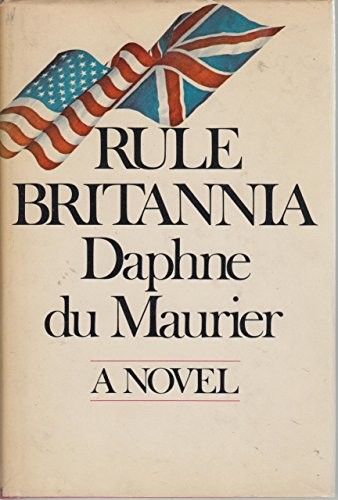
Rule Brittania
Fiction, generalLarge type booksBritish and irish fiction (fictional works by one author)
5.0
Open LibraryAbout this book
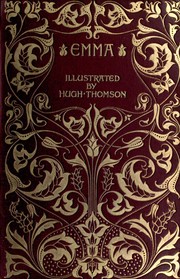
Emma, who lives in Cornwall with her grandmother, a famous retired actress, wakes one morning to find that the world has apparently gone mad: no post, no telephone, no radio, a warship in the bay and American soldiers advancing across the field towards the house. The time is a few years in the future. England has withdrawn from the Common Market and, on the brink of bankruptcy, has decided that salvation lies in a union - political, military and economic - with the United States. Theoretically it is to be an equal partnership; but to some people it soon begins to look like a takeover bid. Daphne du Maurier is concerned not only with what would happen to this country under what is virtually occupation, but also with the effect on human relationships. In Emma, looking at it all with clear young eyes, Daphne du Maurier has drawn one of her most enchanting heroines; and this engrossing book shows once again what a versatile and perceptive writer she is.
Themes & subjects
Fiction, generalLarge type booksBritish and irish fiction (fictional works by one author)
About the author

Daphne du Maurier
13 May 1907 – 19 April 1989
Daphne du Maurier was born on 13 May 1907 in London, England, United Kingdom, the second of three daughters of Muriel Beaumont, an actress and maternal niece of William Comyns Beaumont, and Sir Gerald du Maurier, the prominent actor-manager, son of the author and Punch cartoonist George du Maurier, who created the character of Svengali in the novel Trilby. She was also the cousin of the Llewelyn Davies boys, who served as J.M. Barrie's inspiration for the characters in the play Peter Pan, or The Boy Who Wouldn't Grow Up. As a young child, she met many of the brightest stars of the theatre, thanks to the celebrity of her father. These connections helped her in establishing her literary career…
Reviews
No reviews yet — be the first to write one from the Log screen.
Quotes
No quotes yet.