4.4
Open LibraryAbout this book
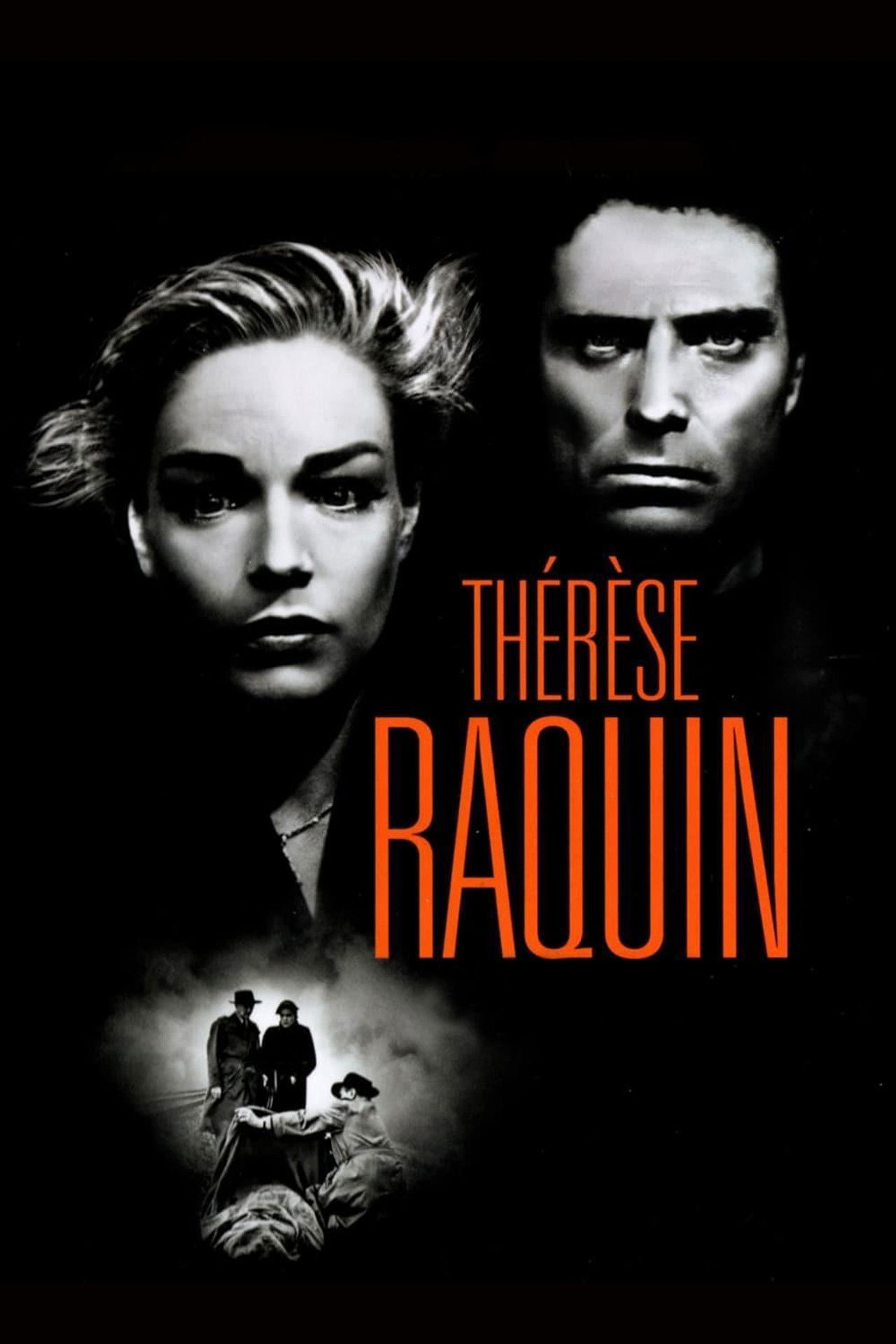
Émile Zola's Thérèse Raquin is a Naturalist novel exploring themes of lust, adultery, and guilt, set in the grimy backstreets of Paris, where Thérèse, unhappy in her marriage, engages in a passionate affair with Laurent, leading to a tragic outcome. Here's a more detailed overview: Setting and Characters: The story unfolds in a dingy Parisian setting, focusing on Thérèse, a young woman married to her sickly cousin Camille, and her aunt Madame Raquin, who controls her life. Thérèse's life is further complicated by the arrival of Laurent, Camille's friend, who captivates her with his strength and vitality. Plot: Thérèse and Laurent's passionate affair escalates into a plan to murder Camille, driven by their desire for each other and a desire to escape their unhappy circumstances. After the murder, they are haunted by guilt and the ghost of Camille, and their passion turns to hatred. Naturalist Themes: Zola's novel is a prime example of Naturalism, exploring the deterministic nature of human behavior, where characters are driven by their instincts and circumstances rather than free will. Zola's characters are portrayed as "human animals" whose actions are determined by their temperament and environment. Impact and Reception: Thérèse Raquin caused a scandal upon its publication in 1867, with Zola being accused of pornography and "putrid" obscenity. Zola defended his work in the preface to the second edition, outlining his Naturalist approach and claiming to study "temperaments and not characters". Key Themes: Lust and Passion: The novel explores the destructive …
Themes & subjects
FictionMurderAdulterySocial life and customsFrench literatureHistory and criticism
Setting
Paris (France)
About the author
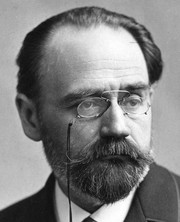
Émile Zola
2 April 1840 – 28 September 1902
Emile Zola was a French journalist and novelist known for his series of 20 novels known collectively as Les Rougon-Macquart (1871-93). Zola's style was called literary naturalism; his novels were attacked and even banned for their frankness and sordid detail, and caused quite a bit of controversy in their day. The same traits made him a best-selling author and a star of French literature in his day. In 1898 he then further incurred the wrath of French officials when he published the open letter "J'Accuse," in defense of Alfred Dreyfus, an Army officer who had been convicted of treason. Zola was sentenced to prison for libel, fled to England, and was granted amnesty a few months later. He die…
Reviews
No reviews yet — be the first to write one from the Log screen.
Quotes
No quotes yet.
![The Adventures of Sherlock Holmes [12 stories]](https://covers.openlibrary.org/b/id/6717853-M.jpg#w=1280)