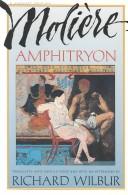
Amphitryon
by Molière
DramaAmphitryon (Greek mythology)American drama (dramatic works by one author)Decision makingHeuristic
0.0
Open LibraryAbout this book
Richard Wilbur, the Pulitzer Prize-winning poet and recipient of the PEN translation award, dazzles the reader with his English verse translation of this most unusual of Moliere's plays - a play whose characters are not seventeenth-century Frenchmen but ancient Greeks and Greco-Roman gods, a play combining the flavors of vaudeville, fantasy, high comedy, farce, and even opera. The play begins with irreverent midair banter between the gods (the audiences of Moliere's day thrilled to the use of stage machines for "flying" the actors) and only literally comes down to earth thereafter. Moliere's ebullient verse, so brilliantly captured by Wilbur, adds sparkle to the proceedings throughout. . In serving up this very funny tale of Jupiter's successful ruse to bed the wife of the Theban general Amphitryon, Moliere takes lusty aim at the high-handed amorality of the powerful - and says more than a few things in passing about love and marriage. Amphitryon shows Jupiter, Moliere, and Wilbur all at the peak of their form.
Themes & subjects
DramaAmphitryon (Greek mythology)American drama (dramatic works by one author)Decision makingHeuristicPrejudices
About the author

Molière
15 Jan 1622 – 17 Feb 1673
Molière (Jean-Baptiste Poquelin) was born in Paris on January 15, 1622. His father was one of eight valets de chambre tapissiers who tended the king's furniture and upholstery, so the young Poquelin received every advantage a boy could wish for. He was educated at the finest schools (the College de Clermont in Paris.) He had access to the king's court. But even as a child, Molière found it infinitely more pleasant to poke fun at the aristocracy than to associate with them. As a young boy, he learned that he could cause quite a stir by mimicking his mother's priest. His mother, a deeply religious woman, might have broken the young satirist of this habit had she not died before he was yet twel…
Reviews
No reviews yet — be the first to write one from the Log screen.
Quotes
No quotes yet.