Adages
Translations into EnglishLatin ProverbsGreek ProverbsGreek MaximsLatin Maxims
0.0
Open LibraryAbout this book
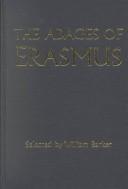
Desiderius Erasmus's "Adages" is a monumental collection of Greek and Latin proverbs, each accompanied by his commentary, offering insights into classical culture, language, Erasmus's own views on the world. Key aspects of Erasmus's "Adagia": Erasmus aimed to preserve and promote the wisdom of the classical world through its proverbs, customs, and Social institutions. The collection contains over 3,000 entries, tracing the origins of each adage and providing commentary on its meaning and usage. "Adagia" was a foundational work in the Renaissance and helped to popularize classical learning and humanist thought. Many of the proverbs cited by Erasmus are still in common usage today, such as "Know thyself; To give someone the finger; and "Pandora's box". The commentaries in the "Adagia" reflect Erasmus's opinions on the world of his day, blending his satirical and evangelical writings. The work was influential in shaping the landscape and is still studied today. Erasmus expanded his Adagia while in Venice at the celebrated printing house of Aldus Manutius. The adage "Dutch ear"(auras Batava) is one of many hints that he was not an uncritical admire of sophisticated Italy, with its theatrical sermons and its scholars who doubted the immortality of the soul; his aim was to write for honest and unassuming "Dutch ears;
Themes & subjects
Translations into EnglishLatin ProverbsGreek ProverbsGreek MaximsLatin MaximsHistory and criticism
About the author

Desiderius Erasmus
28 October 1466 – 12 July 1536
Desiderius Erasmus Roterodamus (28 October c. 1466 – 12 July 1536), commonly known in English as Erasmus of Rotterdam or simply Erasmus, was a Dutch Christian humanist, Catholic priest and theologian, educationalist, satirist, and philosopher. Through his works, he is considered one of the most influential thinkers of the Northern Renaissance and one of the major figures of Dutch and Western culture.
Reviews
No reviews yet — be the first to write one from the Log screen.
Quotes
No quotes yet.