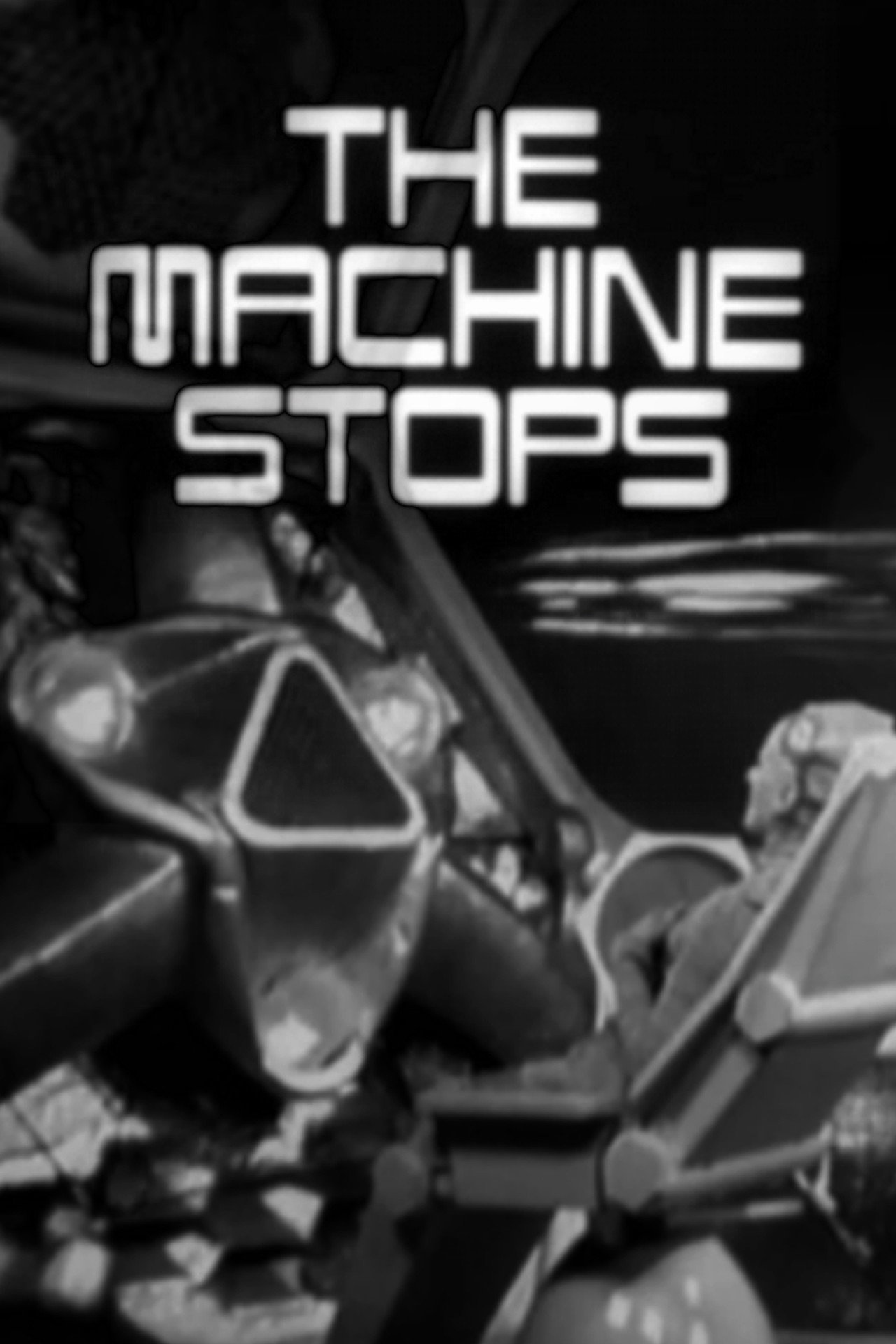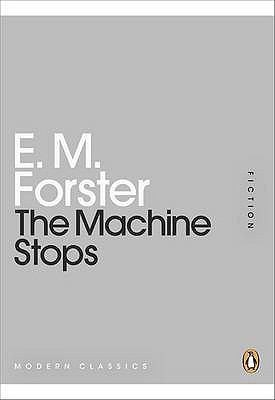
The Machine Stops
English literatureChildren's fictionScience fictionTechnologySocial aspects
3.8
Open LibraryAbout this book
How is this book unique? Font adjustments & biography included Unabridged (100% Original content) Illustrated About The Machine Stops by E. M. Forster "The Machine Stops" is a science fiction short story (12,300 words) by E. M. Forster. After being voted one of the best novellas up to 1965, it was included that same year in the populist anthology Modern Short Stories. In 1973 it was also included in The Science Fiction Hall of Fame. The story describes a world in which most of the human population has lost the ability to live on the surface of the Earth. Each individual now lives in isolation below ground in a standard room, with all bodily and spiritual needs met by the omnipotent, global Machine. Travel is permitted, but is unpopular and rarely necessary. Communication is made via a kind of instant messaging/video conferencing machine with which people conduct their only activity: the sharing of ideas and what passes for knowledge. The two main characters, Vashti and her son Kuno, live on opposite sides of the world. Vashti is content with her life, which, like most inhabitants of the world, she spends producing and endlessly discussing secondhand 'ideas'. Kuno, however, is a sensualist and a rebel. He persuades a reluctant Vashti to endure the journey (and the resultant unwelcome personal interaction) to his room. There, he tells her of his disenchantment with the sanitised, mechanical world.
Description via Google Books
Themes & subjects
English literatureChildren's fictionScience fictionTechnologySocial aspectsEnvironmental disasters
About the author
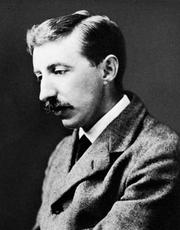
E. M. Forster
1 January 1879 – 7 June 1970
Edward Morgan Forster OM, CH, was an English novelist, short story writer, essayist and librettist. He is known best for his ironic and well-plotted novels examining class difference and hypocrisy and also the attitudes towards gender and homosexuality in early 20th-century British society. Forster's humanistic impulse toward understanding and sympathy may be aptly summed up in the epigraph to his 1910 novel Howards End: "Only connect".
Reviews
No reviews yet — be the first to write one from the Log screen.
Quotes
No quotes yet.