Kafka
by Gilles Deleuze, Félix Guattari
Criticism and interpretationGermanNovels, other prose & writers: from c 1900 -German ProseKafka, franz, 1883-1924
0.0
Open LibraryAbout this book
In Kafka Deleuze and Guattari free their subject from his (mis)intrepreters. In contrast to traditional readings that see in Kafka's work a case of Oedipalized neurosis or a flight into transcendence, guilt, and subjectivity, Deleuze and Guattari make a case for Kafka as a man of joy, a promoter of radical politics who resisted at every turn submission to frozen hierarchies.
Themes & subjects
Criticism and interpretationGermanNovels, other prose & writers: from c 1900 -German ProseKafka, franz, 1883-1924Critique et interprétation
Characters & people
About the authors
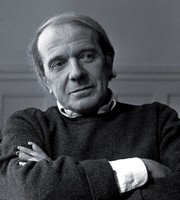

Félix Guattari
30 April 1930 – 29 August 1992
Pierre-Félix Guattari (April 30, 1930 – August 29, 1992) was a French psychotherapist, philosopher, semiologist, and activist. He founded both schizoanalysis and ecosophy, and is best known for his intellectual collaborations with Gilles Deleuze, most notably *Anti-Oedipus* (1972) and *A Thousand Plateaus* (1980), the two volumes of *Capitalism and Schizophrenia*. **Source**: <a href="https://en.wikipedia.org/wiki/F%C3%A9lix_Guattari">Felix Guattari</a> on Wikipedia (<a href="https://en.wikipedia.org/wiki/Wikipedia:Text_of_Creative_Commons_Attribution-ShareAlike_3.0_Unported_License">CC BY-SA 3.0</a>).
Reviews
No reviews yet — be the first to write one from the Log screen.
Quotes
No quotes yet.