fraeon
Films
BrowseTop 250
Series
TV ShowsAnimeTop 250 TVTop 100 Anime
Games
BrowseTop 100
Books
BooksMangaTop 125 BooksTop 100 Manga
For youTrendingTier ListsThe ArchiveLeaderboard
Log inSign up free
fraeon

Everything you watch, play and read — tracked, rated and remembered in one library.

Explore

  • Films
  • TV
  • Anime
  • Games
  • Books
  • Manga

Discover

  • Trending
  • Leaderboard
  • Find people
  • Lists
  • Tier lists

Company

  • Tour
  • About
  • Community guidelines
  • Privacy
  • Terms
  • Contact

© 2026 fraeon. All rights reserved. ·

Metadata from TMDB, RAWG, Jikan & Open Library. This product uses the TMDB API but is not endorsed or certified by TMDB.

Questions or ideas? mehmet@avortas.com

HomeFeedProfile
Camera Three

Camera Three

3 seasons 5 eps≈ 3h totalReturningCBS

Camera Three is an American variety show devoted to the arts. It ran on CBS from January 22, 1956 to January 21, 1979, and moved to PBS in its final year to make way for the then-new CBS News Sunday Morning. The PBS version ran from October 4, 1979 to July 10, 1980. Camera Three featured programs showcasing drama, ballet, art, music, anything involving fine arts. One of its most notable presentations was a condensation of Marc Blitzstein's leftist opera The Cradle Will Rock. Presented on November 29, 1964, it was a dramatic demonstration of how far television had come since its early days, in its willingness to present a work that surely would have been banned from the airwaves during the era of Joseph McCarthy.

3.8/5

TMDB score· 6 votes

Synopsis

Camera Three is an American variety show devoted to the arts. It ran on CBS from January 22, 1956 to January 21, 1979, and moved to PBS in its final year to make way for the then-new CBS News Sunday Morning. The PBS version ran from October 4, 1979 to July 10, 1980. Camera Three featured programs showcasing drama, ballet, art, music, anything involving fine arts. One of its most notable presentations was a condensation of Marc Blitzstein's leftist opera The Cradle Will Rock. Presented on November 29, 1964, it was a dramatic demonstration of how far television had come since its early days, in its willingness to present a work that surely would have been banned from the airwaves during the era of Joseph McCarthy.

The vibe

variety show

Cast
James MacAndrewJames MacAndrewhost

Network

CBS

Status

Returning Series

Seasons

3

Episodes

5

Episode length

30 min

Total runtime

≈ 3h

Country

United States

Where to watch · US

Amazon VideoMore

Streaming data by JustWatch via TMDB.

Similar shows

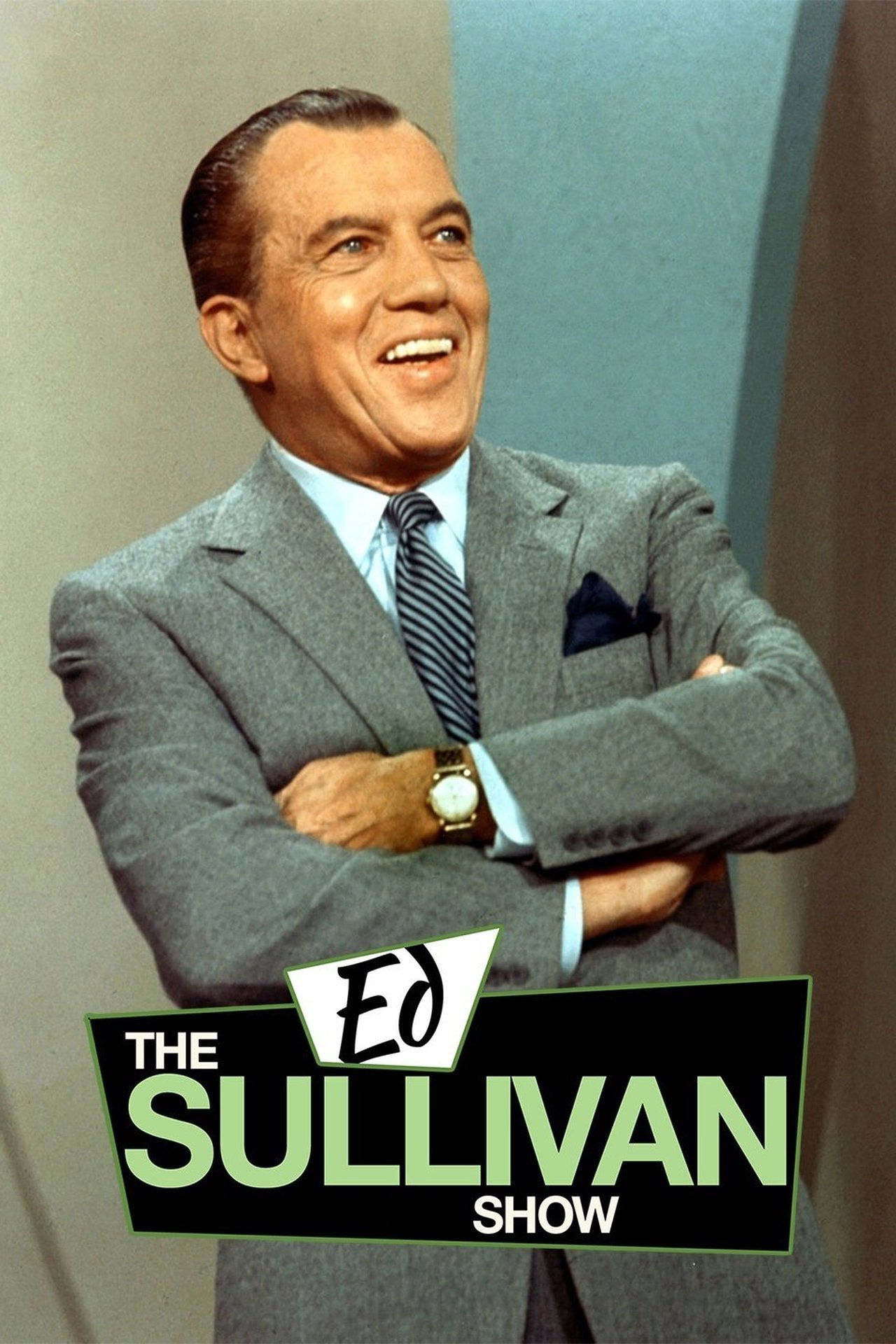
The Ed Sullivan Show

The Ed Sullivan Show is an American TV variety show that originally ran on CBS from Sunday June 20, 1948 to Sunday June 6, 1971, and was hosted by New York entertainment columnist Ed Sullivan. It was replaced in September 1971 by the CBS Sunday Night Movie, which ran only one season and was eventually replaced by other shows. In 2002, The Ed Sullivan Show was ranked #15 on TV Guide's 50 Greatest TV Shows of All Time.

3.4

The Ed Sullivan Show

1948

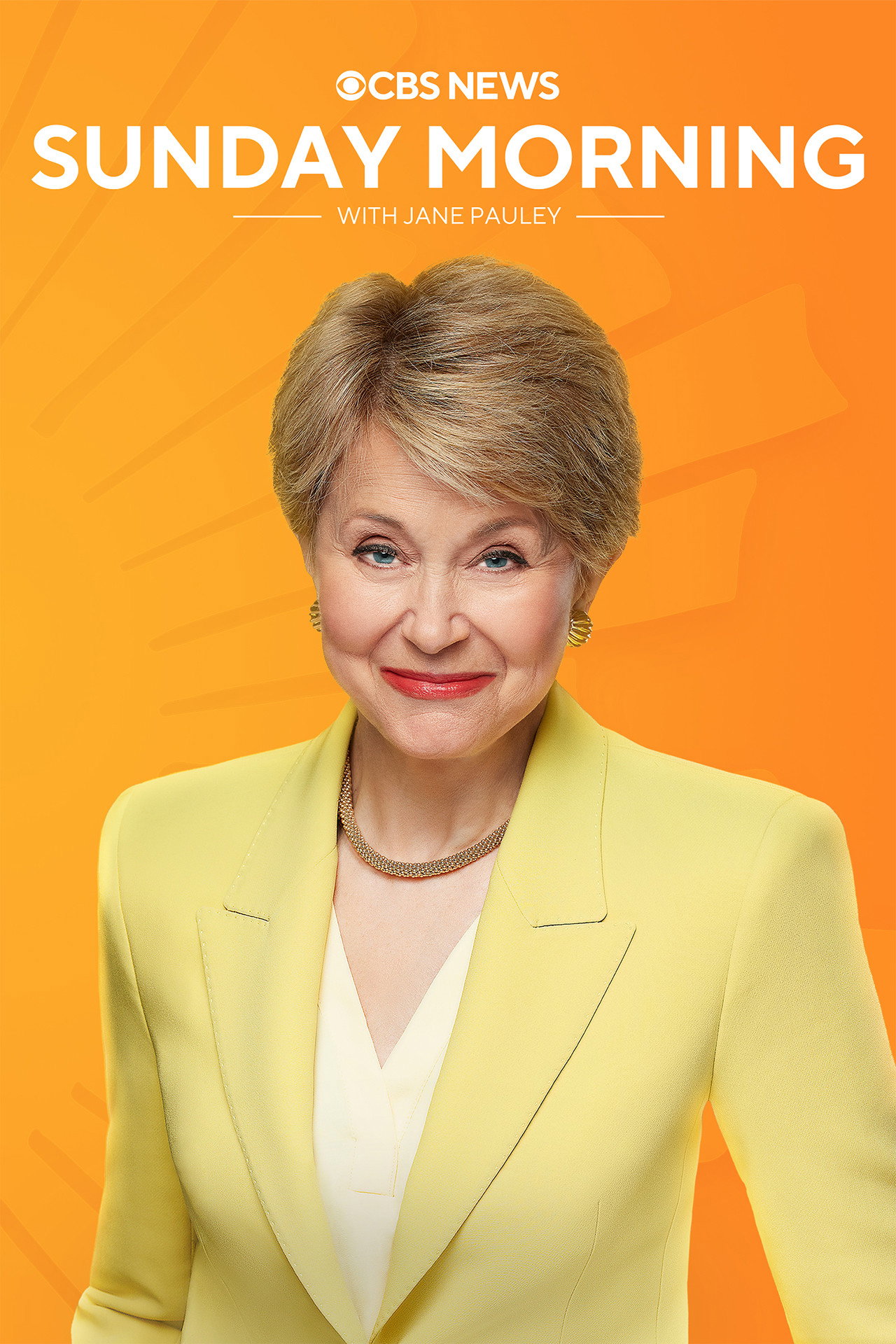
CBS News Sunday Morning

The sparkling notes of a trumpet fanfare and the familiar logo of the sun alert viewers that it's time for CBS's Sunday morning staple. Journalist Jane Pauley helms the show, taking over hosting duties from Charles Osgood, who spent 22 years on the job. A morning talk show, this program airs at a different pace and focuses much of its attention on the performing arts. After a quick update of the day's news and national weather, correspondents offer longer-length segments on a variety of topics, from architecture to ballet to music to pop culture to politics.

3.4

CBS News Sunday Morning

1979

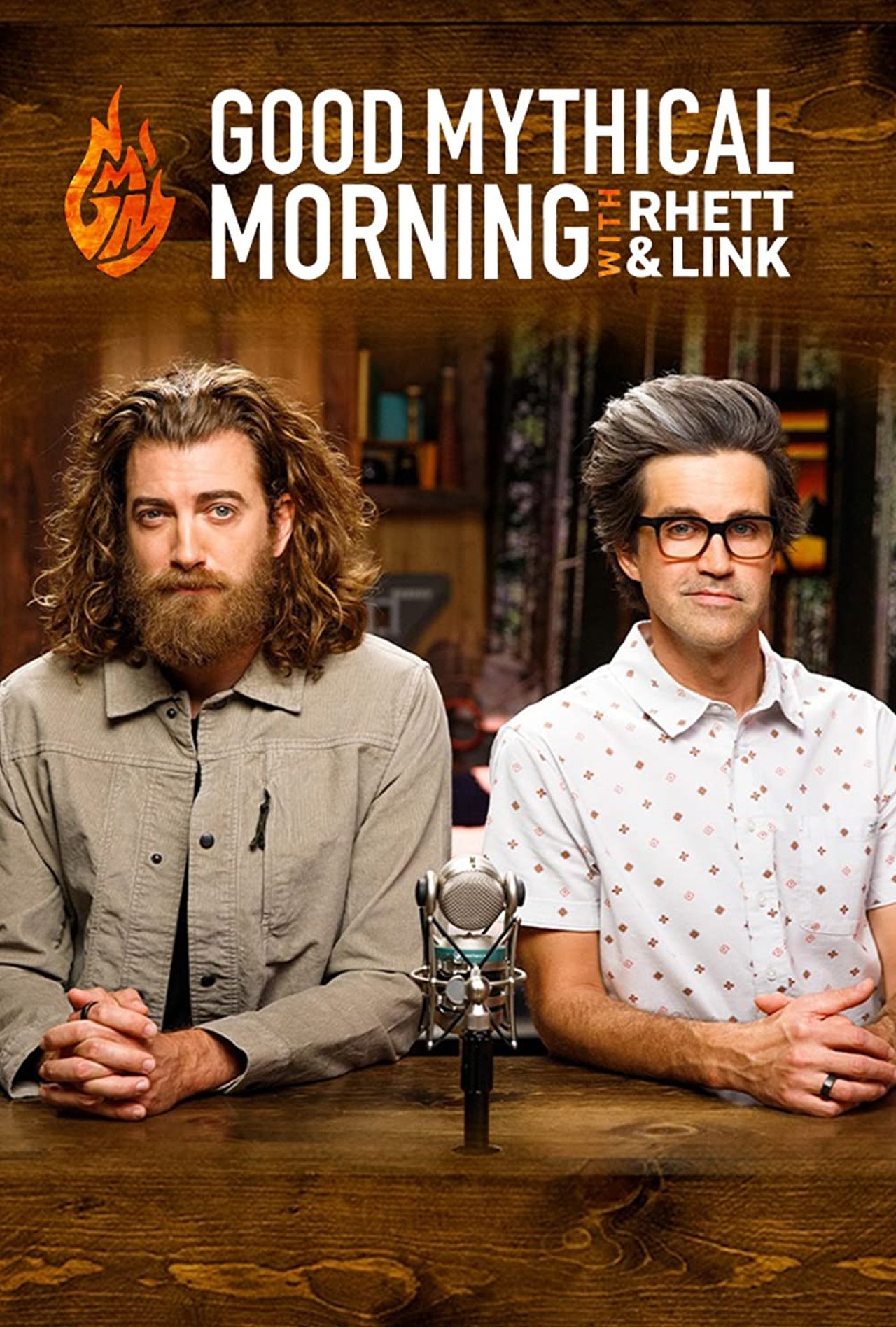
Good Mythical Morning

Two "Internetainers" (Rhett & Link) go far out and do the weirdest things, giving you a daily dose of casual comedy every Monday-Friday.

3.5

Good Mythical Morning

2012

60 Minutes Australia

60 Minutes, an Australian version of the U.S. television newsmagazine 60 Minutes, airs on Sunday nights on the Nine Network and is presented in much the same way as the American program on which it is based. The New Zealand version of the show has also featured segments of the Australian version. Gerald Stone, the founding executive producer, was given the job by Kerry Packer and was told: "I don't give a f... what it takes. Just do it and get it right." After the first episode was broadcast on 11 February 1979, Packer was less than impressed, telling Stone: "You've blown it, son. You better fix it fast." Over the years, Stone's award winning 60 Minutes revolutionised Australian current affairs reporting and enhanced the careers of Ray Martin, Ian Leslie, George Negus, and later Jana Wendt. Since it was first broadcast, 60 Minutes has won five Silver Logies, one Special Achievement Logie, and received nominations for a further six Logie awards.

3.4

60 Minutes Australia

1979

America's Funniest Home Videos

America's Funniest Home Videos is the longest-running primetime entertainment show in ABC history. Each week AFV shines the spotlight on hilarious videos. Fans tune in to witness failures and fiascos and to submit their own mishaps for their chance at stardom.

3.3

America's Funniest Home Videos

1989

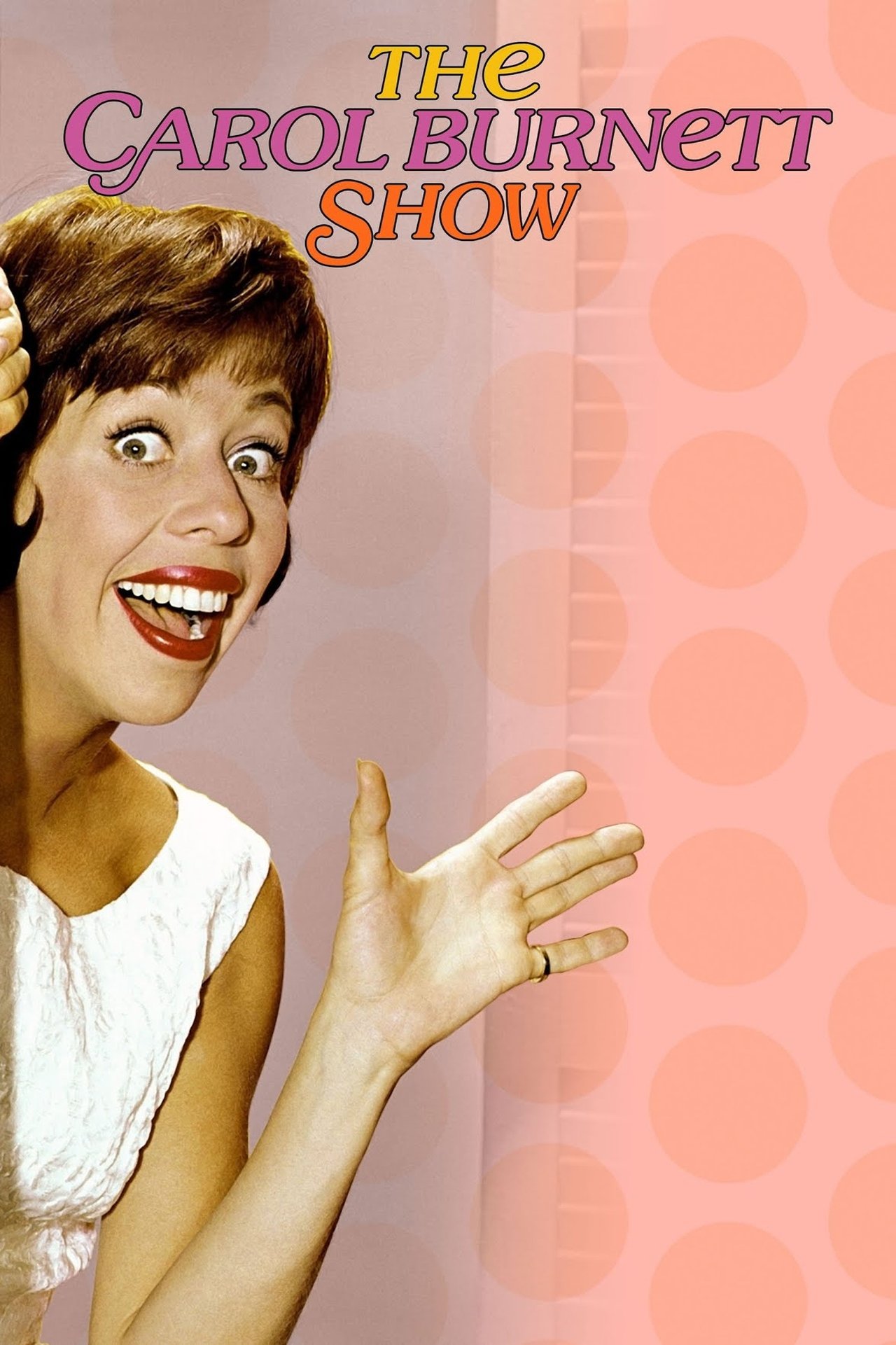
The Carol Burnett Show

The Carol Burnett Show is an American variety/sketch comedy television show starring Carol Burnett, Harvey Korman, Vicki Lawrence, Lyle Waggoner, and Tim Conway. It originally ran on CBS from September 11, 1967, to March 29, 1978, for 278 episodes and originated from CBS Television City's Studio 33. The series won 25 prime time Emmy Awards, was ranked No. 16 on TV Guide's 50 Greatest TV Shows of All Time in 2002 and in 2007 was listed as one of Time magazine's "100 Best TV Shows of All Time."

3.9

The Carol Burnett Show

1967

The Lucy Show

The Lucy Show is an American sitcom that aired on CBS from 1962–68. It was Lucille Ball's follow-up to I Love Lucy. A significant change in cast and premise for the 1965–66 season divides the program into two distinct eras; aside from Ball, only Gale Gordon, who joined the program for its second season, remained. For the first three seasons, Vivian Vance was the co-star. The earliest scripts were entitled The Lucille Ball Show, but when this title was declined, producers thought of calling the show This Is Lucy or The New Adventures of Lucy, before deciding on the title The Lucy Show. Ball won consecutive Emmy Awards as Outstanding Lead Actress in a Comedy Series for the series' final two seasons, 1966–67 and 1967–68.

3.5

The Lucy Show

1962

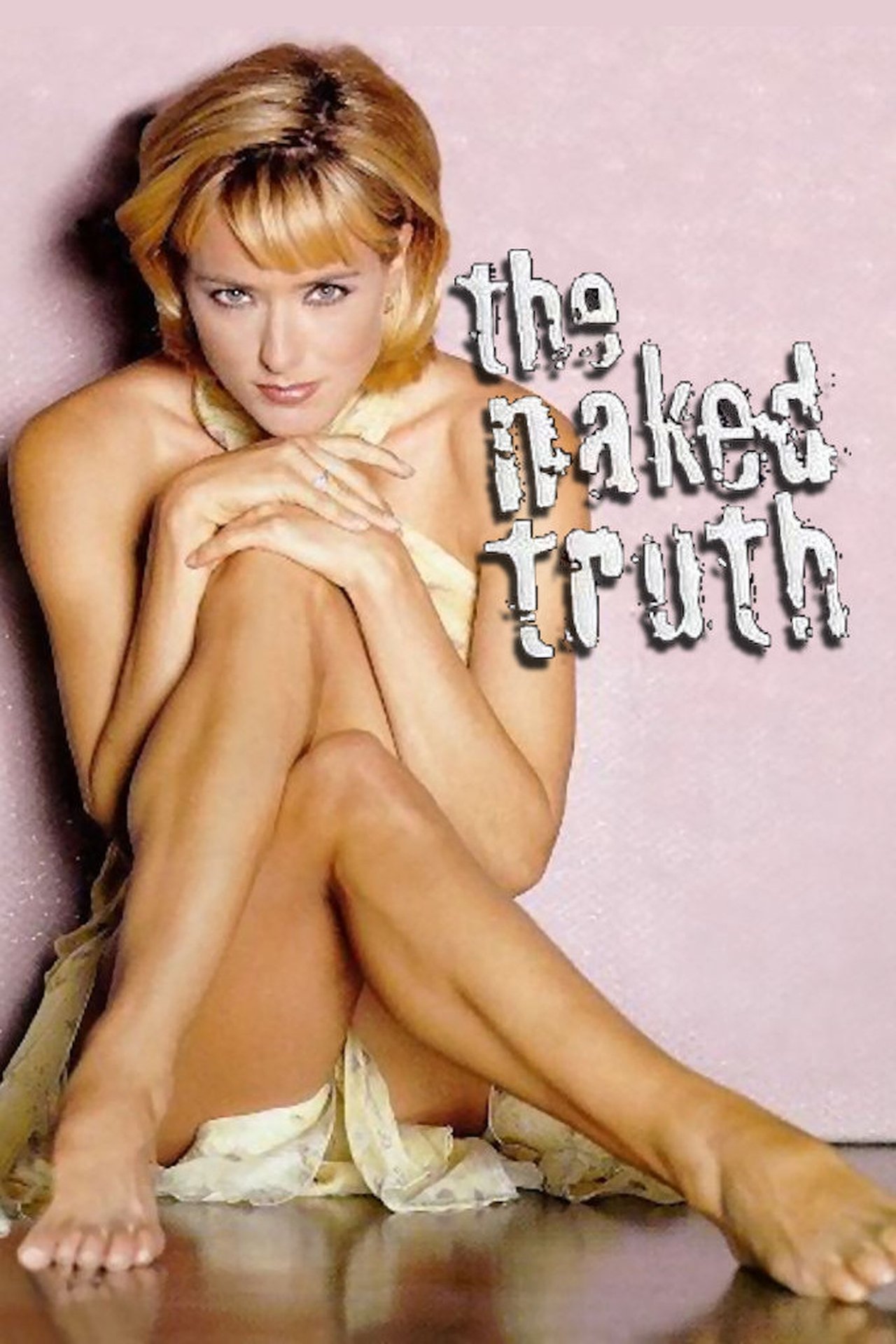
The Naked Truth

The Naked Truth is an American sitcom broadcast on ABC from 1995 to 1996, and on NBC from 1996 to 1998. The series stars Téa Leoni and Holland Taylor. After a messy divorce with her very rich and powerful husband, Nora Wilde refuses to accept his offer of $1.8 million and tries to make it on her own. Being a Pulitzer nominated photographer, the only place that even considers hiring her is sleazy tabloid The Comet. She's forced to accept and starts as a regular papparazzo.

3.3

The Naked Truth

1995

20/20

20/20 is an American television newsmagazine that has been broadcast on ABC since June 6, 1978. Created by ABC News executive Roone Arledge, the show was designed similarly to CBS's 60 Minutes but focuses more on human interest stories than international and political subjects. The program's name derives from the "20/20" measurement of visual acuity. The hour-long program has been a staple on Friday evenings for much of the time since it moved to that timeslot from Thursdays in September 1987, though special editions of the program occasionally air on other nights.

3.2

20/20

1978

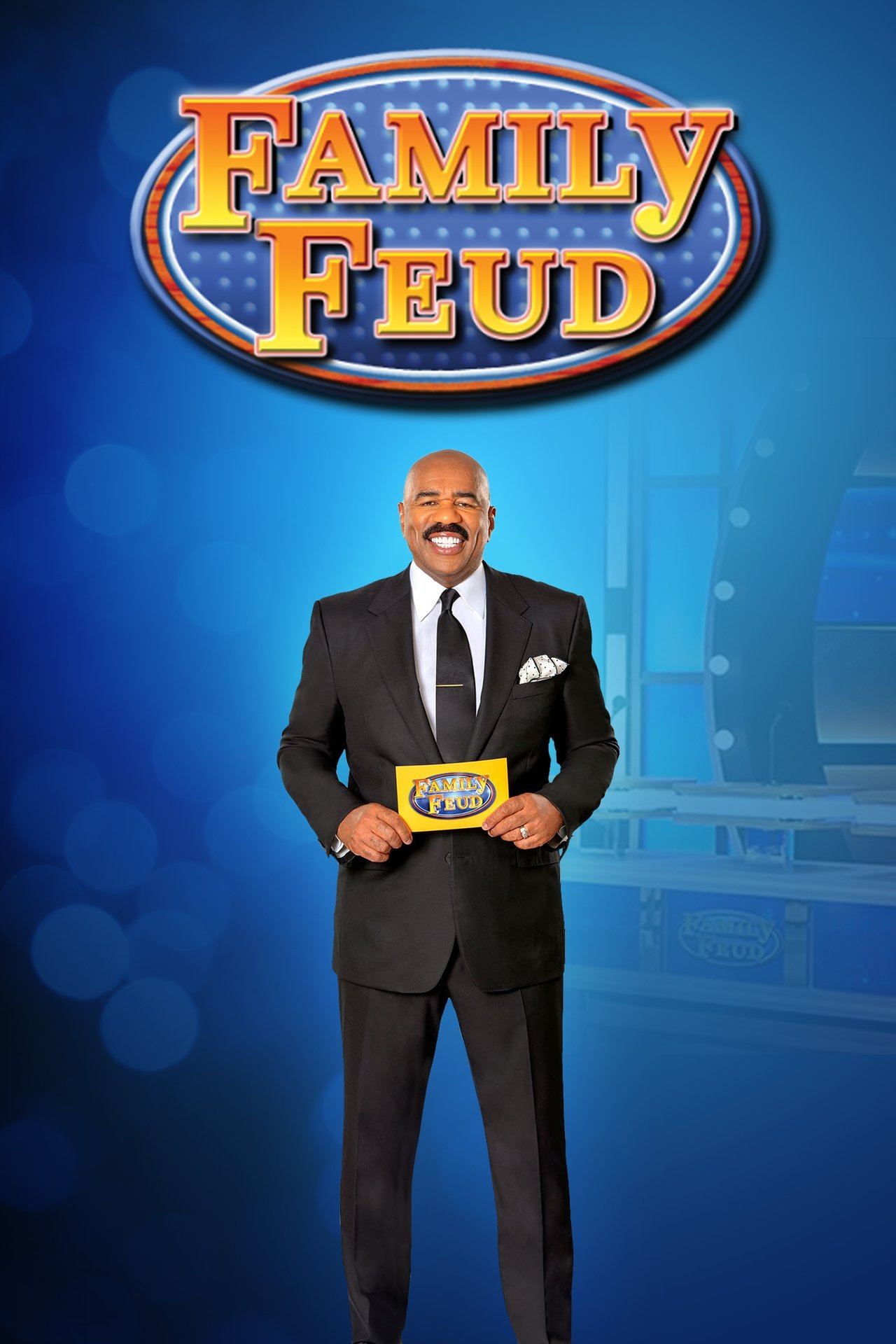
Family Feud

Two families compete against each other in a contest to name the most popular responses to a survey question posed to 100 people.

3.8

Family Feud

1999

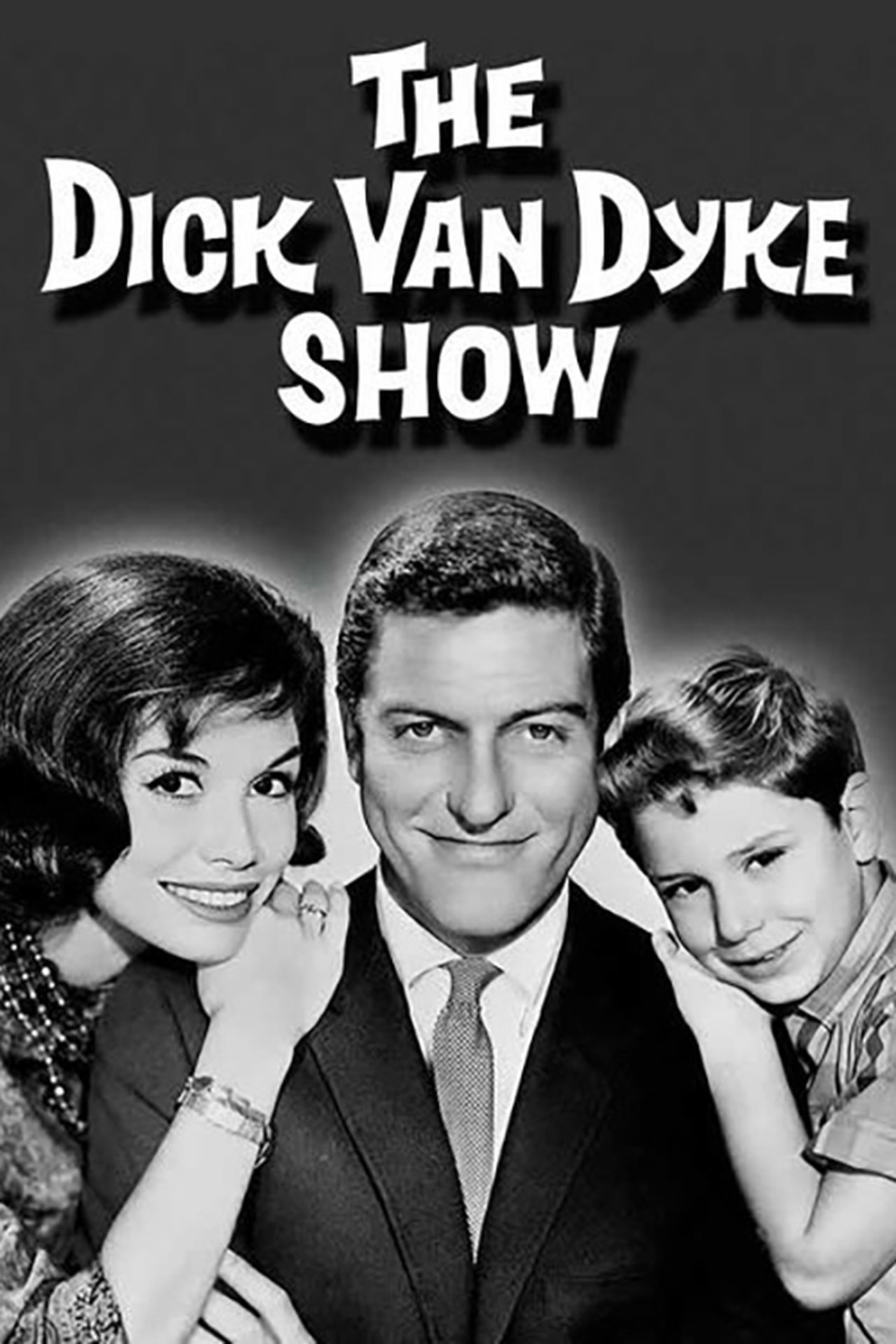
The Dick Van Dyke Show

The Dick Van Dyke Show centers around the work and home life of television comedy writer Rob Petrie. The plots generally revolve around problems at work, where Rob got into various comedic jams with fellow writers Buddy Sorrell, Sally Rogers and producer Mel Cooley.

3.8

The Dick Van Dyke Show

1961

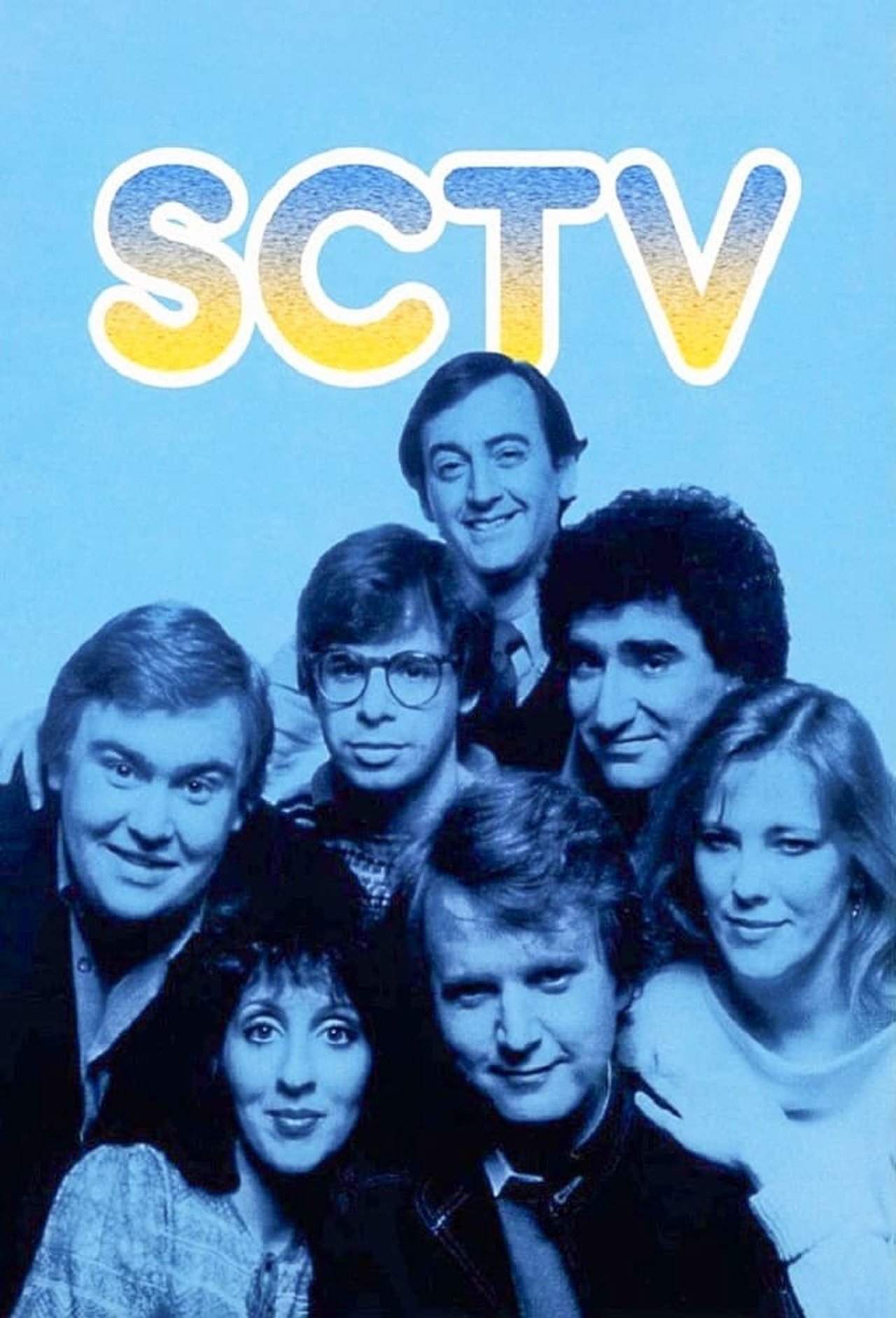
Second City Television

Second City Television is a Canadian television sketch comedy show offshoot from Toronto's Second City troupe that ran between 1976 and 1984.

3.9

Second City Television

1976

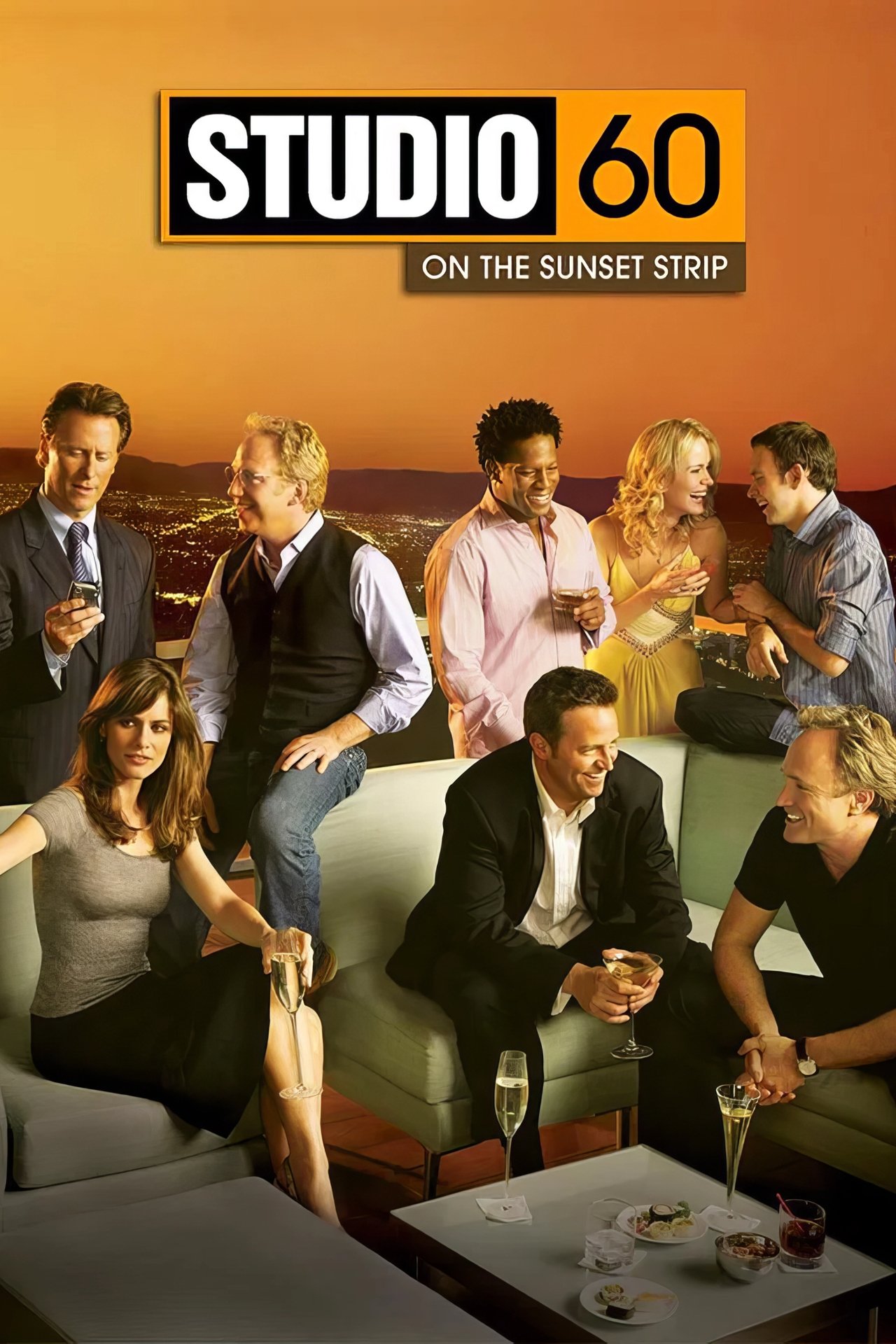
Studio 60 on the Sunset Strip

A behind-the-scenes look at a fictional sketch-comedy TV show.

3.7

Studio 60 on the Sunset Strip

2006

60 Minutes

America's popular television News magazine in which an ever changing team of CBS News correspondents contribute segments ranging from hard news coverage to politics to lifestyle and pop culture.

3.3

60 Minutes

1968

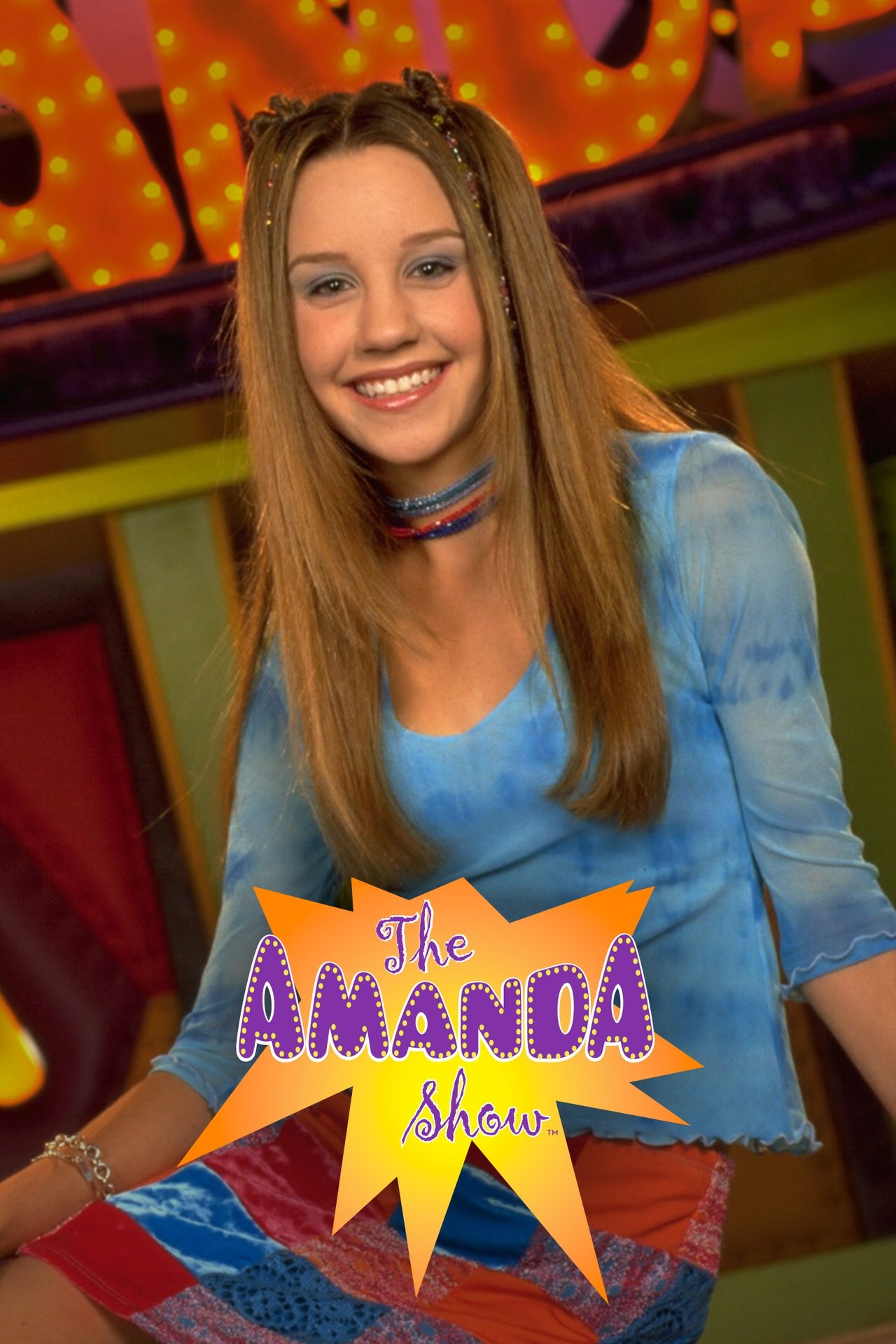
The Amanda Show

The Amanda Show is an American live action sketch comedy and variety show that aired on Nickelodeon from October 16, 1999 to September 21, 2002. It starred Amanda Bynes, Drake Bell, and Nancy Sullivan, along with several performing artists who came and left at different points, such as John Kassir, Raquel Lee, and Josh Peck. The show was a spin-off from All That, in which Bynes had co-starred for several years. The show was unexpectedly cancelled at the end of 2002, according to creator Dan Schneider's blog. Writers for the show included John Hoberg, Steven Molaro, Andrew Hill Newman, and Dan Schneider. Two years after the end of The Amanda Show, Dan Schneider created a new series, called Drake & Josh, featuring Drake Bell, Josh Peck and Nancy Sullivan.

3.5

The Amanda Show

1999

Full Frontal with Samantha Bee

Samantha Bee breaks up late-night's all-male sausage fest with her nuanced view of political and cultural issues, her sharp interview skills, her repartee with world leaders and, of course, her 10-pound lady balls.

3.0

Full Frontal with Samantha Bee

2016

Ridiculousness

Rob Dyrdek takes the funniest amateur internet videos and builds them into an episode of edgy, funny, and most importantly, timeless television.

3.4

Ridiculousness

2011

Leave It to Beaver

An inquisitive and often naïve boy, Theodore 'The Beaver' Cleaver, has adventures at home, in school, and around his suburban neighborhood. The show also starred Barbara Billingsley and Hugh Beaumont as Beaver's parents, June and Ward Cleaver, and Tony Dow as Beaver's brother Wally. The show has attained an iconic status in the US, with the Cleavers exemplifying the idealized suburban family of the mid-20th century.

3.5

Leave It to Beaver

1957

Reviews

No reviews yet — be the first to write one from the Log screen.

Quotes

No quotes yet.

Discussions

Your episodes

12
S9
S18
S21

Your episode ratings · tap a cell to mark it watched