fraeon
Films
BrowseTop 250
Series
TV ShowsAnimeTop 250 TVTop 100 Anime
Games
BrowseTop 100
Books
BooksMangaComics & GNTop 125 BooksTop 100 Manga
For youCommunityHot takesAwardsTier ListsThe ArchiveLeaderboardFind peopleCompare libraries
Trending
Log inSign up free
fraeon

Everything you watch, play and read — tracked, rated and remembered in one library.

Explore

  • Films
  • TV
  • Anime
  • Games
  • Books
  • Manga

Discover

  • Trending
  • Leaderboard
  • Find people
  • Lists
  • Tier lists

Company

  • Tour
  • About
  • Community guidelines
  • Privacy
  • Terms
  • Contact

© 2026 fraeon. All rights reserved. ·

Metadata from TMDB, RAWG, Jikan & Open Library. This product uses the TMDB API but is not endorsed or certified by TMDB.

Questions or ideas? mehmet@avortas.com

HomeFeedProfile
Weinerville

Weinerville

created by Marc Weiner

1 seasons 24 eps≈ 10h totalEndedNickelodeon

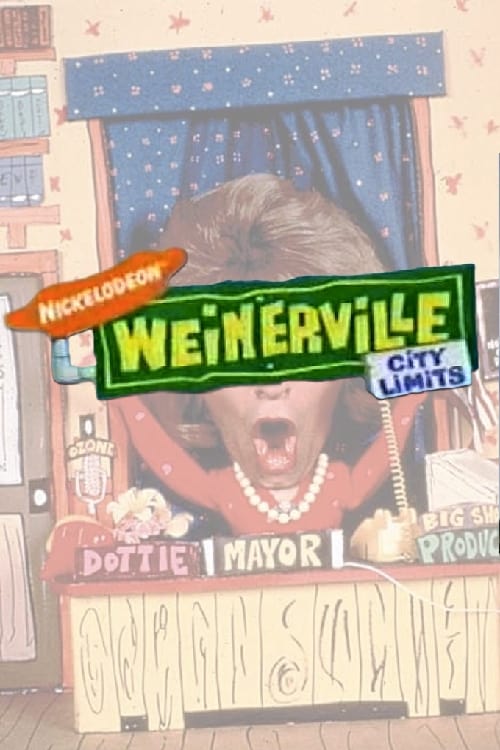
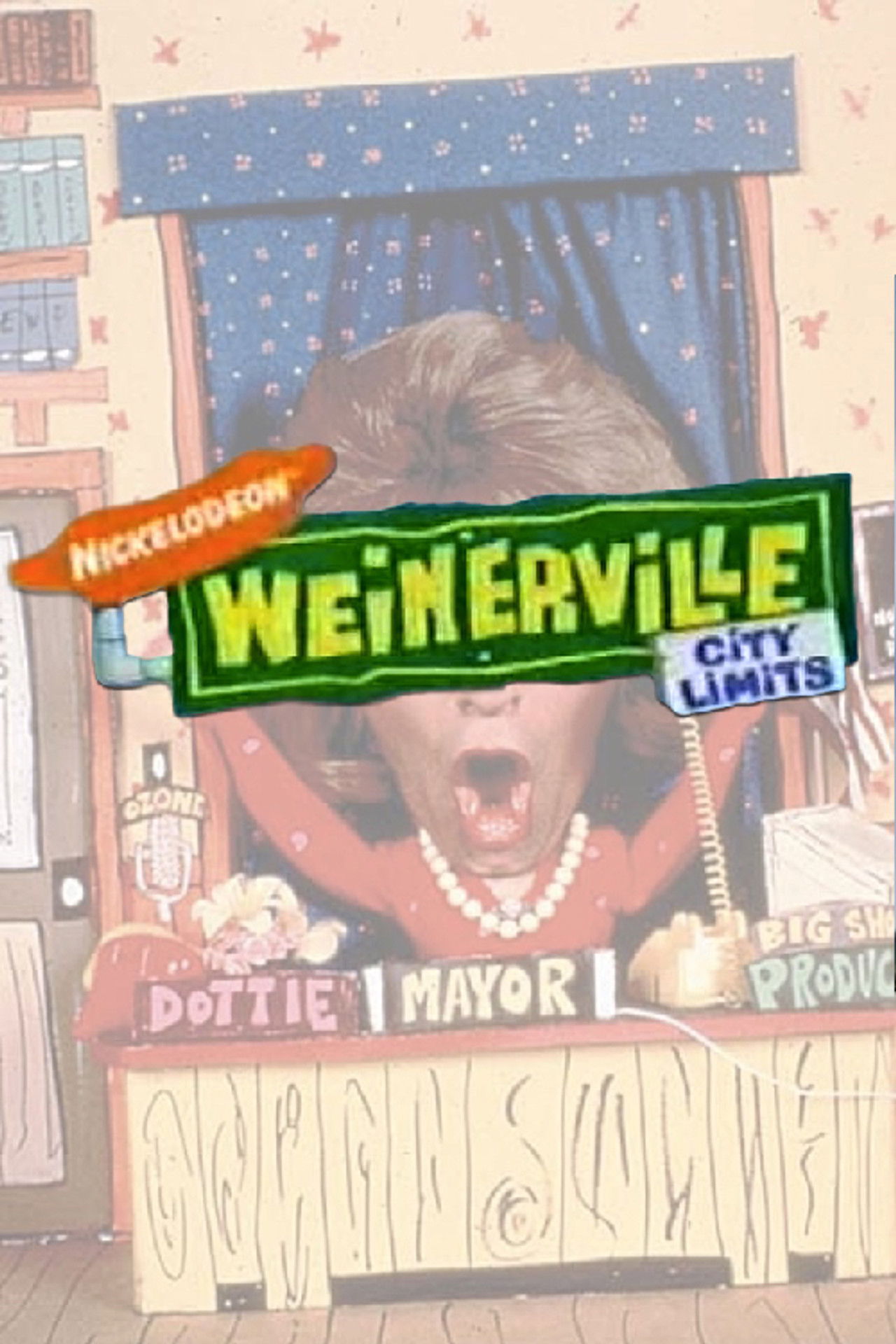
Nickelodeon Weinerville is an American television program on Nickelodeon that was produced in 1993 and 1994, and aired in re-runs until 1997. The show was based around a giant puppet stage which was designed to look like a city, called Weinerville. The show was hosted by Marc Weiner. Marc Weiner teamed up with Nickelodeon with the premiere of Nickelodeon Weinerville, a half-hour variety show using classic elements of kids programming, including puppeteering and interaction with a live studio audience, to entertain kids and their parents. Since its premiere, Weinerville has drawn the attention of such shows as Entertainment Tonight, Good Morning America and CBS This Morning for being television's first and only half-man/half-puppet variety show where kids are transformed into puppet citizens. The show has also received numerous award nominations, including two CableACE Award nominations, and has received acclaim from: The New York Times, The New York Times Magazine, the Daily News, the New York Post, Newsday, TV Guide and the Los Angeles Times. The show premiered on July 11, 1993. During the first season, all episodes ran in a two-hour marathon every Sunday. However, Weinerville quickly gained popularity: in the middle of the first season Nickelodeon began running the show on weekday afternoons. For the second season, which premiered on May 2, 1994, the episodes aired daily. The show aired on Nickelodeon until June 30, 1997, although the Chanukah special re-ran on December 21, 1997.

4.1/5

TMDB score· 4 votes

Synopsis

Nickelodeon Weinerville is an American television program on Nickelodeon that was produced in 1993 and 1994, and aired in re-runs until 1997. The show was based around a giant puppet stage which was designed to look like a city, called Weinerville. The show was hosted by Marc Weiner. Marc Weiner teamed up with Nickelodeon with the premiere of Nickelodeon Weinerville, a half-hour variety show using classic elements of kids programming, including puppeteering and interaction with a live studio audience, to entertain kids and their parents. Since its premiere, Weinerville has drawn the attention of such shows as Entertainment Tonight, Good Morning America and CBS This Morning for being television's first and only half-man/half-puppet variety show where kids are transformed into puppet citizens. The show has also received numerous award nominations, including two CableACE Award nominations, and has received acclaim from: The New York Times, The New York Times Magazine, the Daily News, the New York Post, Newsday, TV Guide and the Los Angeles Times. The show premiered on July 11, 1993. During the first season, all episodes ran in a two-hour marathon every Sunday. However, Weinerville quickly gained popularity: in the middle of the first season Nickelodeon began running the show on weekday afternoons. For the second season, which premiered on May 2, 1994, the episodes aired daily. The show aired on Nickelodeon until June 30, 1997, although the Chanukah special re-ran on December 21, 1997.

Cast
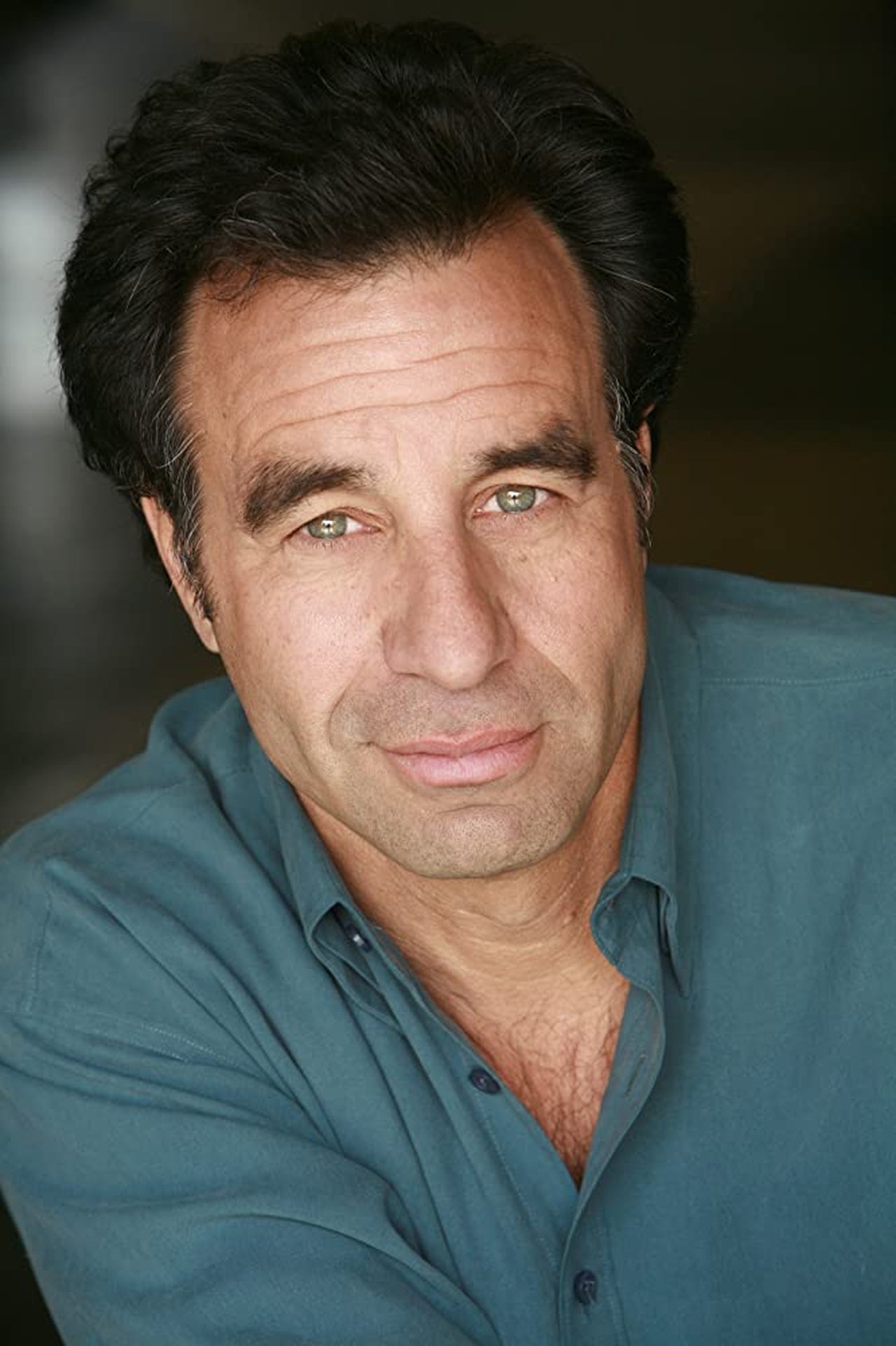
Ray AbruzzoRay Abruzzo
Marc WeinerMarc Weiner

Creator

Marc Weiner

Network

Nickelodeon

Status

Ended

Seasons

1

Episodes

24

Episode length

25 min

Total runtime

≈ 10h

Country

United States

Similar shows

The Steve Harvey Show

Down on his luck and out of money, former R&B star Steve Hightower lands a music teacher gig at an inner-city Chicago school. Showing who's in charge with his unorthodox approach, Steve discovers a new groove at Washington High School.

3.5

The Steve Harvey Show

1996

Good Times

Good Times is an American sitcom that originally aired from February 8, 1974, until August 1, 1979, on the CBS television network. It was created by Eric Monte and Mike Evans, and developed by Norman Lear, the series' primary executive producer. Good Times is a spin-off of Maude, which is itself a spin-off of All in the Family along with The Jeffersons. The series is set in Chicago. The first two seasons were taped at CBS Television City in Hollywood. In the fall of 1975, the show moved to Metromedia Square, where Norman Lear's own production company was housed.

4.0

Good Times

1974

The Ed Sullivan Show

The Ed Sullivan Show is an American TV variety show that originally ran on CBS from Sunday June 20, 1948 to Sunday June 6, 1971, and was hosted by New York entertainment columnist Ed Sullivan. It was replaced in September 1971 by the CBS Sunday Night Movie, which ran only one season and was eventually replaced by other shows. In 2002, The Ed Sullivan Show was ranked #15 on TV Guide's 50 Greatest TV Shows of All Time.

3.4

The Ed Sullivan Show

1948

The Lucy Show

The Lucy Show is an American sitcom that aired on CBS from 1962–68. It was Lucille Ball's follow-up to I Love Lucy. A significant change in cast and premise for the 1965–66 season divides the program into two distinct eras; aside from Ball, only Gale Gordon, who joined the program for its second season, remained. For the first three seasons, Vivian Vance was the co-star. The earliest scripts were entitled The Lucille Ball Show, but when this title was declined, producers thought of calling the show This Is Lucy or The New Adventures of Lucy, before deciding on the title The Lucy Show. Ball won consecutive Emmy Awards as Outstanding Lead Actress in a Comedy Series for the series' final two seasons, 1966–67 and 1967–68.

3.5

The Lucy Show

1962

Ant & Dec's Saturday Night Takeaway

A gameshow hosted by Ant and Dec filled with stunts, sketches, and special guest appearances.

3.0

Ant & Dec's Saturday Night Takeaway

2002

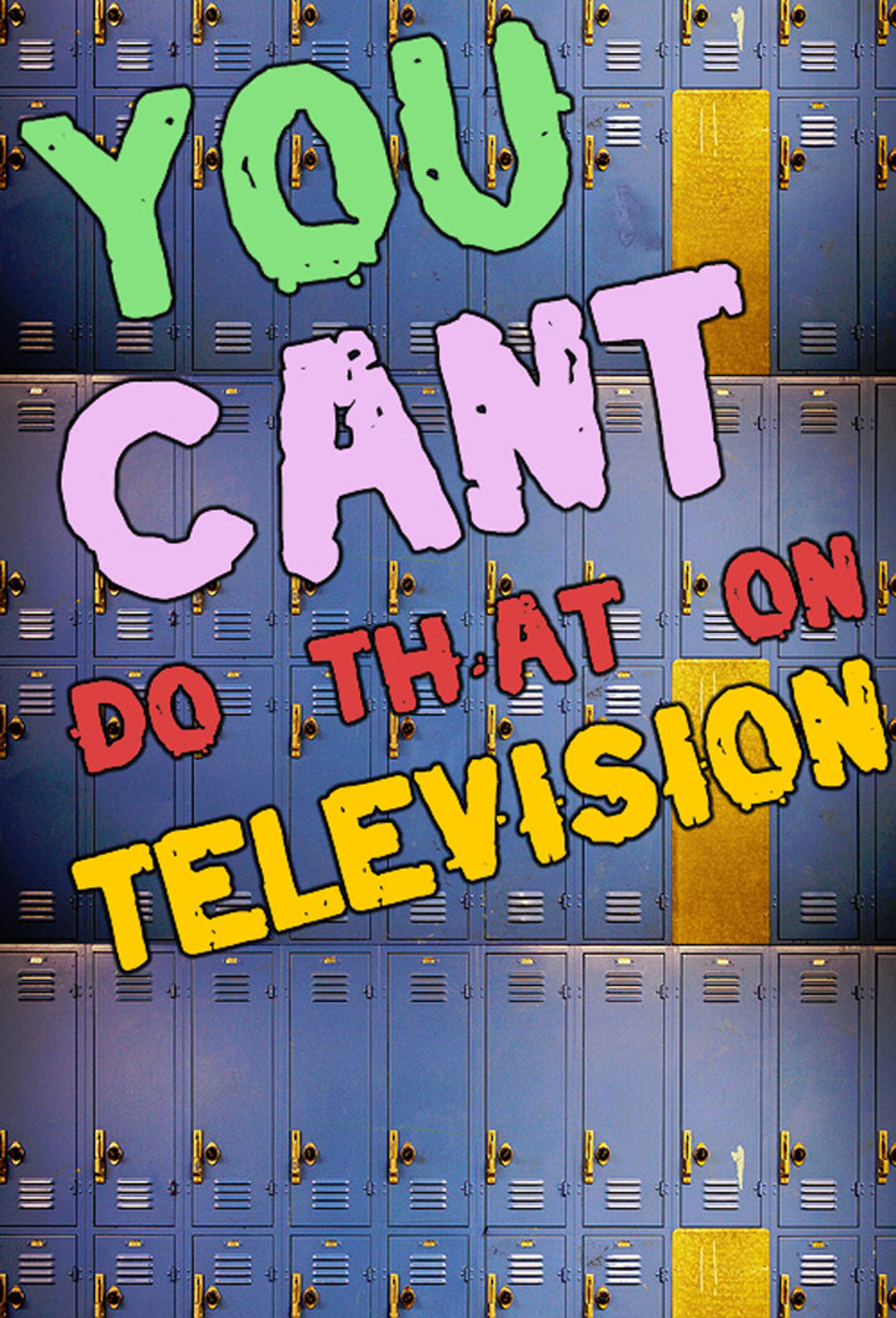
You Can't Do That on Television

You Can't Do That on Television is a Canadian television program that first aired locally in 1979 before airing internationally in 1981. It featured pre-teen and teenaged actors in a sketch comedy format. Each episode had a theme. The show was notable for launching the careers of many performers, including Alanis Morissette, and writer Bill Prady, who would write and produce shows like The Big Bang Theory, Gilmore Girls and Dharma and Greg. The show was produced by and aired on Ottawa's CTV station CJOH-TV. After production ended in 1990, the show continued in reruns on Nickelodeon through 1994, when it was replaced with the similar All That. The show is synonymous with Nick, and was at that time extremely popular, with the highest ratings overall on the channel. The show is also well known for introducing the network's iconic slime. The program is the subject of the 2004 feature-length documentary, You Can't Do That on Film, directed by David Dillehunt.

3.7

You Can't Do That on Television

1979

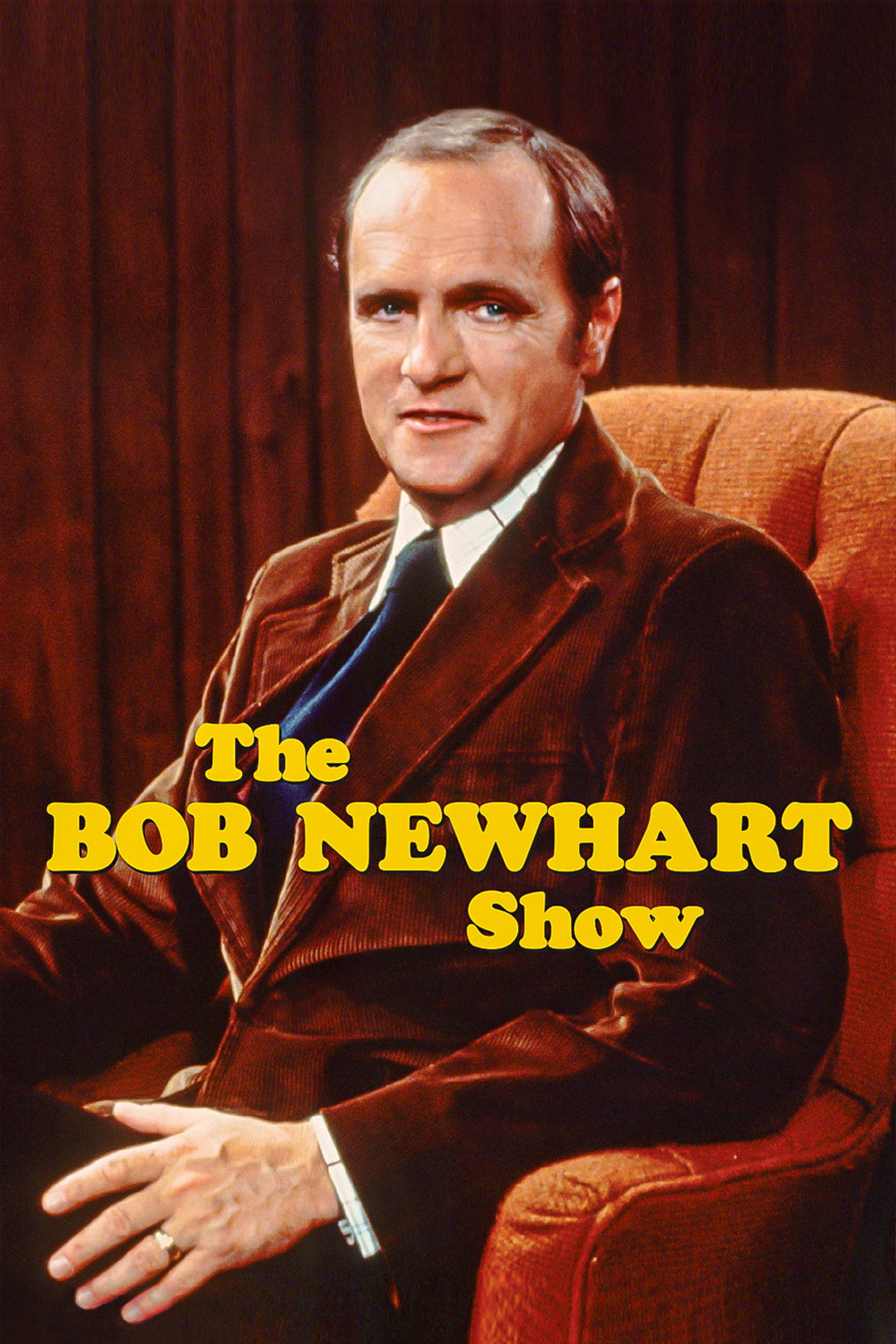
The Bob Newhart Show

The Bob Newhart Show is an American situation comedy produced by MTM Enterprises, which aired 142 original episodes on CBS from September 16, 1972, to April 1, 1978. Comedian Bob Newhart portrays a psychologist having to deal with his patients and fellow office workers. The show was filmed before a live audience.

3.8

The Bob Newhart Show

1972

Mister Rogers' Neighborhood

Mister Rogers' Neighborhood is an American children's television series that was created and hosted by namesake Fred Rogers. The series originated in 1963 as Misterogers on CBC Television, and was later debuted in 1966 as Misterogers' Neighborhood on the regional Eastern Educational Network, followed by its US network debut on February 19, 1968, and it aired on NET and its successor, PBS, until August 31, 2001. The series is aimed primarily at preschool ages 2 to 5, but has been stated by PBS as "appropriate for all ages". Mister Rogers' Neighborhood was produced by Pittsburgh, Pennsylvania, USA public broadcaster WQED and Rogers' non-profit production company Family Communications, Inc.; previously known as Small World Enterprises prior to 1971, the company was renamed The Fred Rogers Company after Rogers' death.

3.1

Mister Rogers' Neighborhood

1968

The Benny Hill Show

The Benny Hill Show is a British comedy television show that starred Benny Hill and aired in various incarnations between 15 January 1955 and 30 May 1991 in over 140 countries. The show focused on sketches that were full of slapstick, mime, parody, and double-entendre. Thames Television cancelled production of the show in 1989 due to declining ratings and large production costs at £450,000 per show.

3.6

The Benny Hill Show

1969

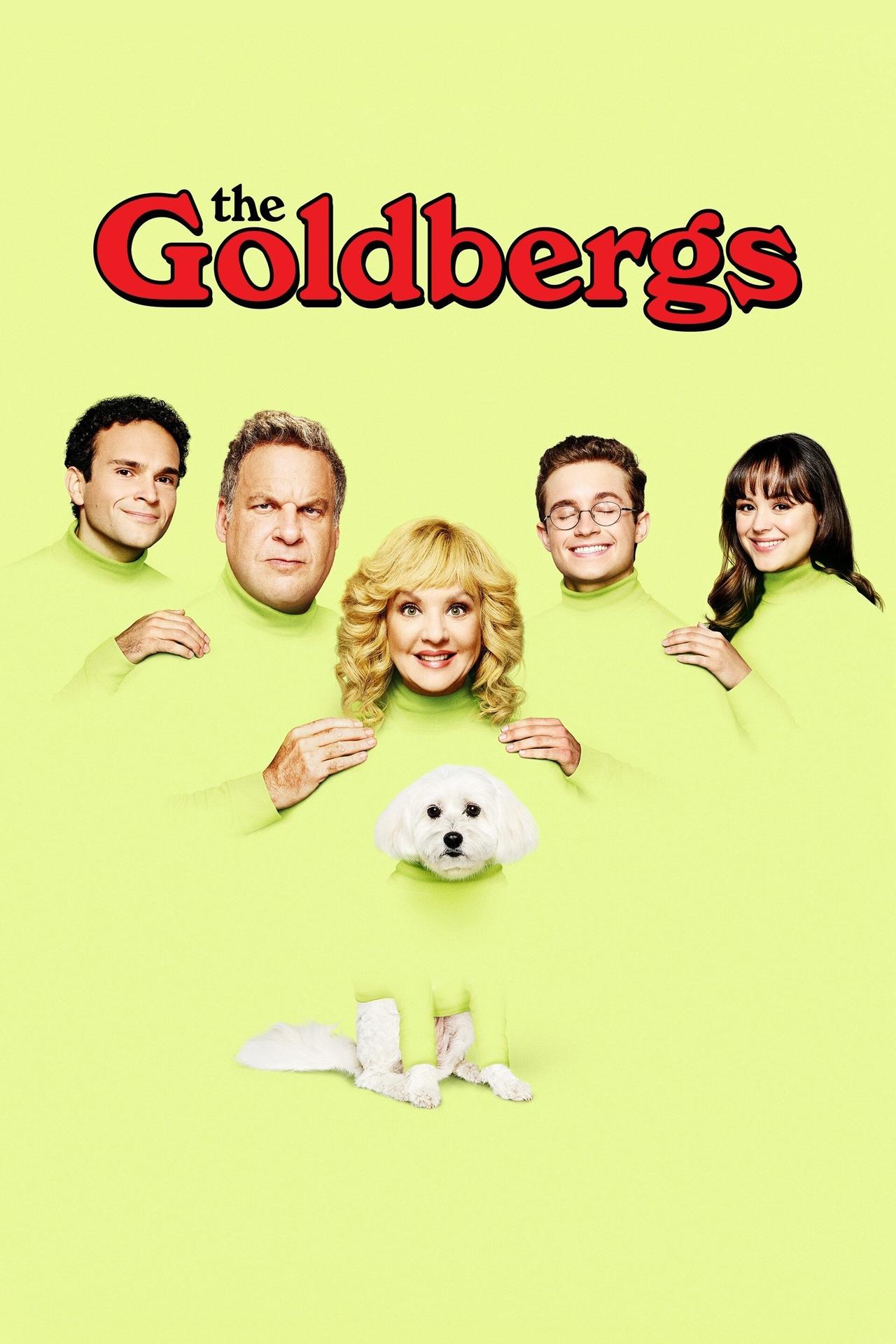
The Goldbergs

Before there were parenting blogs, trophies for showing up, and peanut allergies, there was a simpler time called the '80s. For geeky 11-year old Adam these were his wonder years and he faced them armed with a video camera to capture all the crazy. The Goldbergs are a loving family like any other, just with a lot more yelling.

3.7

The Goldbergs

2013

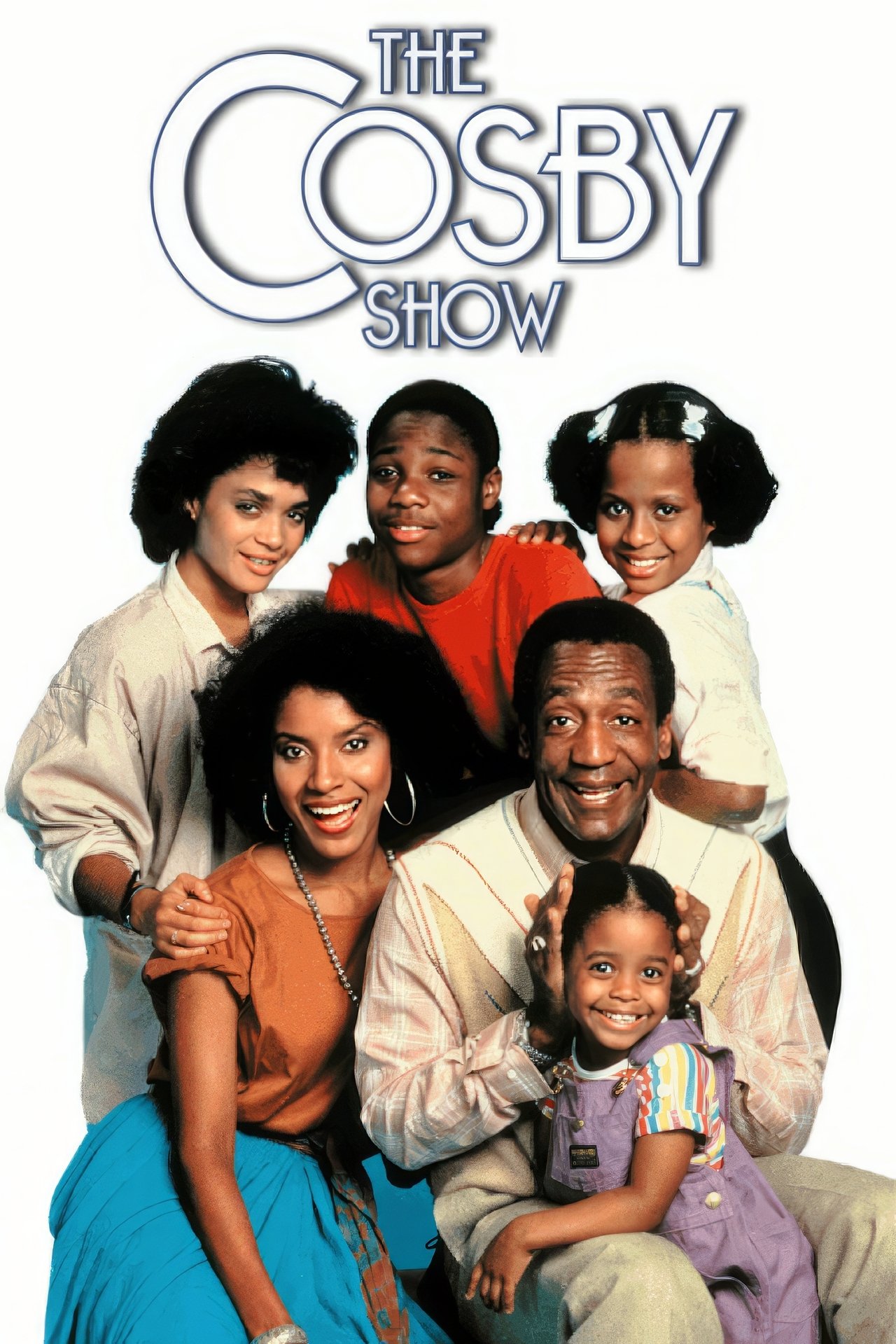
The Cosby Show

The Cosby Show is an American television situation comedy starring Bill Cosby, which aired for eight seasons on NBC from September 20, 1984 until April 30, 1992. The show focuses on the Huxtable family, an upper middle-class African-American family living in Brooklyn, New York.

3.5

The Cosby Show

1984

R. L. Stine's The Haunting Hour

R. L. Stine's The Haunting Hour is a Canadian/American original anthology horror-fantasy series, with episodes each half an hour long. The series is based on The Haunting Hour: Don't Think About It Movie, and the books The Haunting Hour and Nightmare Hour anthology by R. L. Stine.

4.1

R. L. Stine's The Haunting Hour

2010

Father Knows Best

Family man Jim Anderson copes with the everyday problems among his wife Margaret and their three children as they experience day-to-day changes.

3.3

Father Knows Best

1954

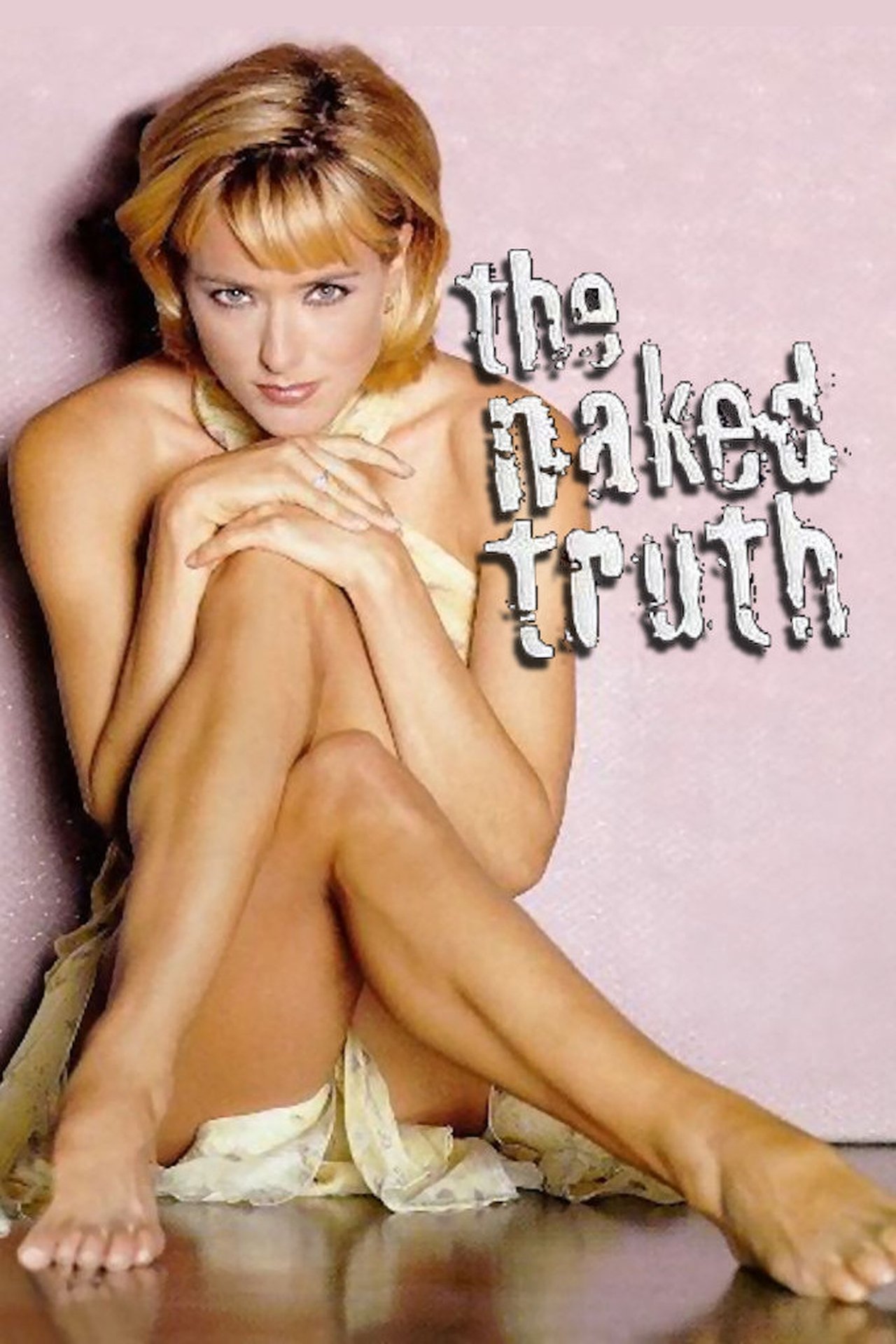
The Naked Truth

The Naked Truth is an American sitcom broadcast on ABC from 1995 to 1996, and on NBC from 1996 to 1998. The series stars Téa Leoni and Holland Taylor. After a messy divorce with her very rich and powerful husband, Nora Wilde refuses to accept his offer of $1.8 million and tries to make it on her own. Being a Pulitzer nominated photographer, the only place that even considers hiring her is sleazy tabloid The Comet. She's forced to accept and starts as a regular papparazzo.

3.3

The Naked Truth

1995

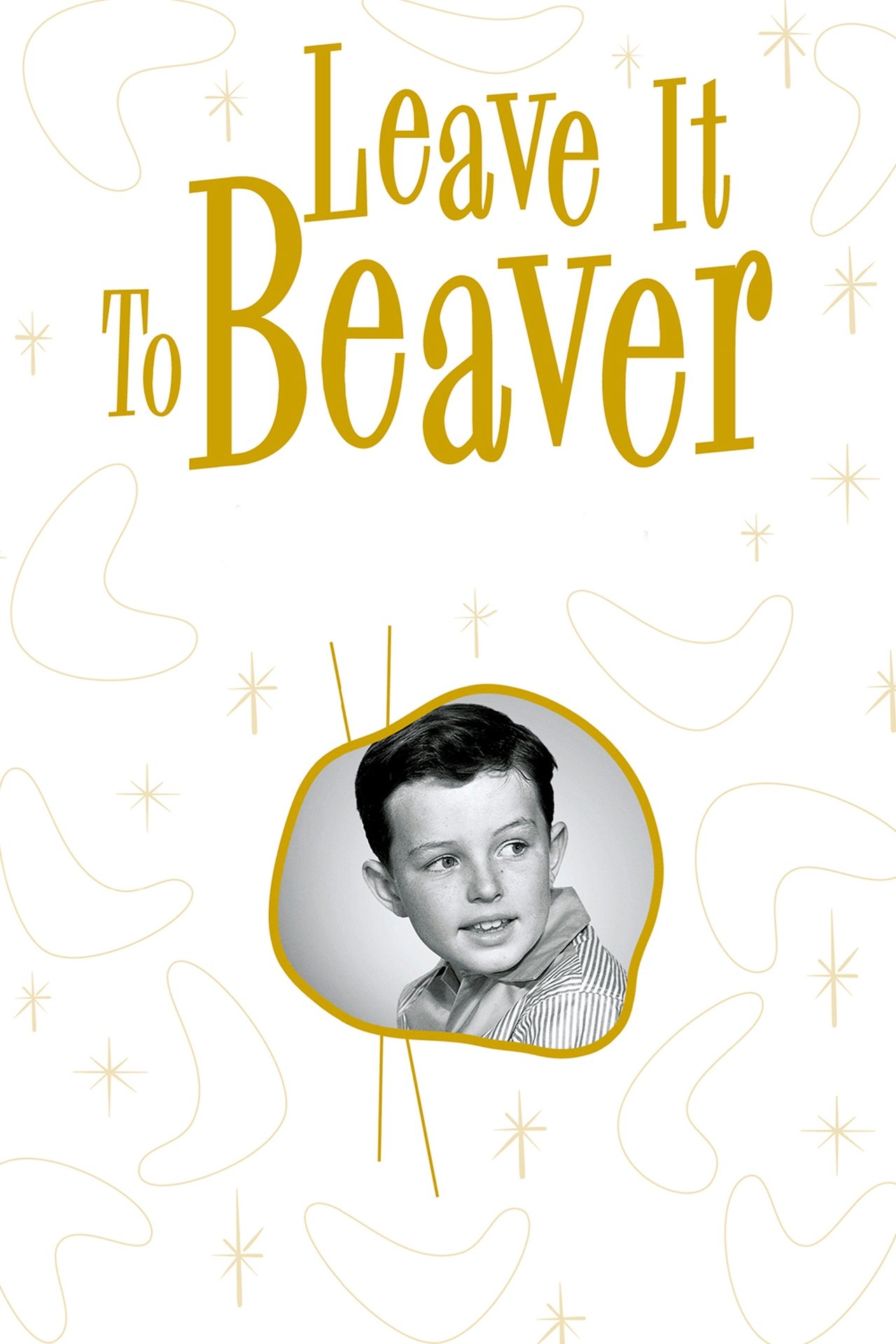
Leave It to Beaver

An inquisitive and often naïve boy, Theodore 'The Beaver' Cleaver, has adventures at home, in school, and around his suburban neighborhood. The show also starred Barbara Billingsley and Hugh Beaumont as Beaver's parents, June and Ward Cleaver, and Tony Dow as Beaver's brother Wally. The show has attained an iconic status in the US, with the Cleavers exemplifying the idealized suburban family of the mid-20th century.

3.5

Leave It to Beaver

1957

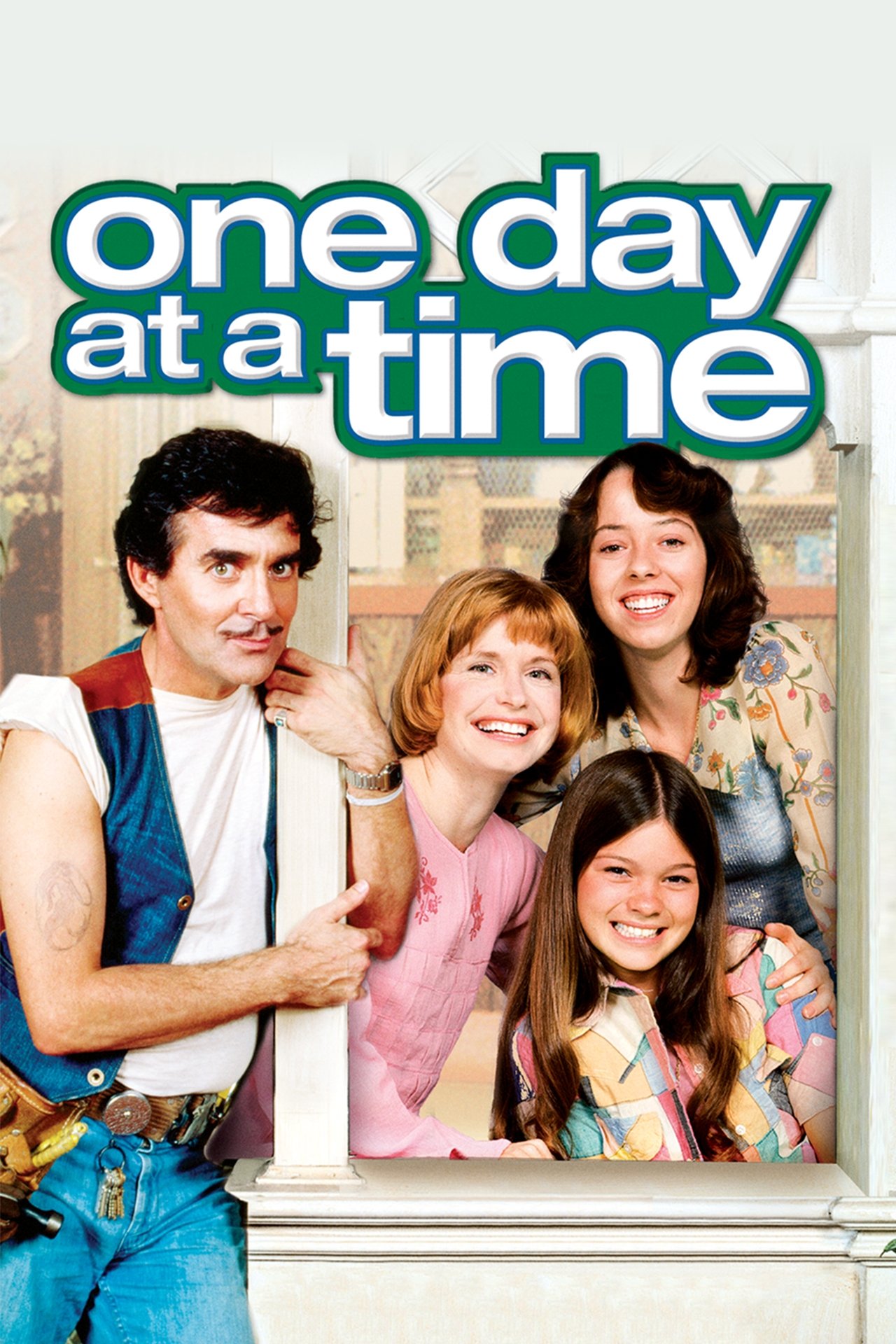
One Day at a Time

The misadventures of a divorced mother, two teenage daughters, and their new building superintendent in Indianapolis.

3.4

One Day at a Time

1975

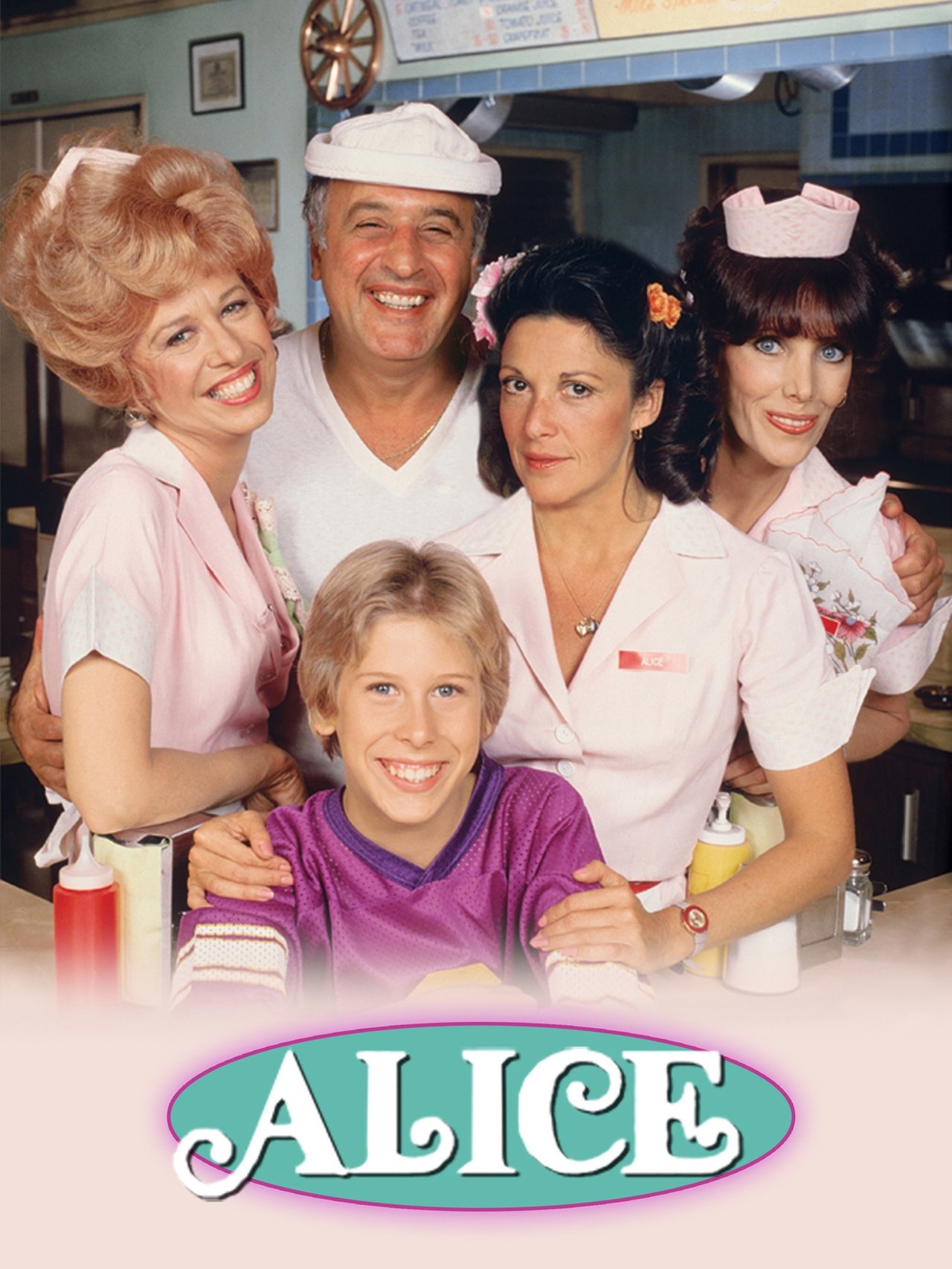
Alice

Alice is an American sitcom television series that ran from August 31, 1976 to March 19, 1985 on CBS. The series is based on the 1974 film Alice Doesn't Live Here Anymore. The show stars Linda Lavin in the title role, a widow who moves with her young son to start her life over again, and finds a job working at a roadside diner on the outskirts of Phoenix, Arizona. Most of the episodes revolve around events at Mel's Diner.

3.5

Alice

1976

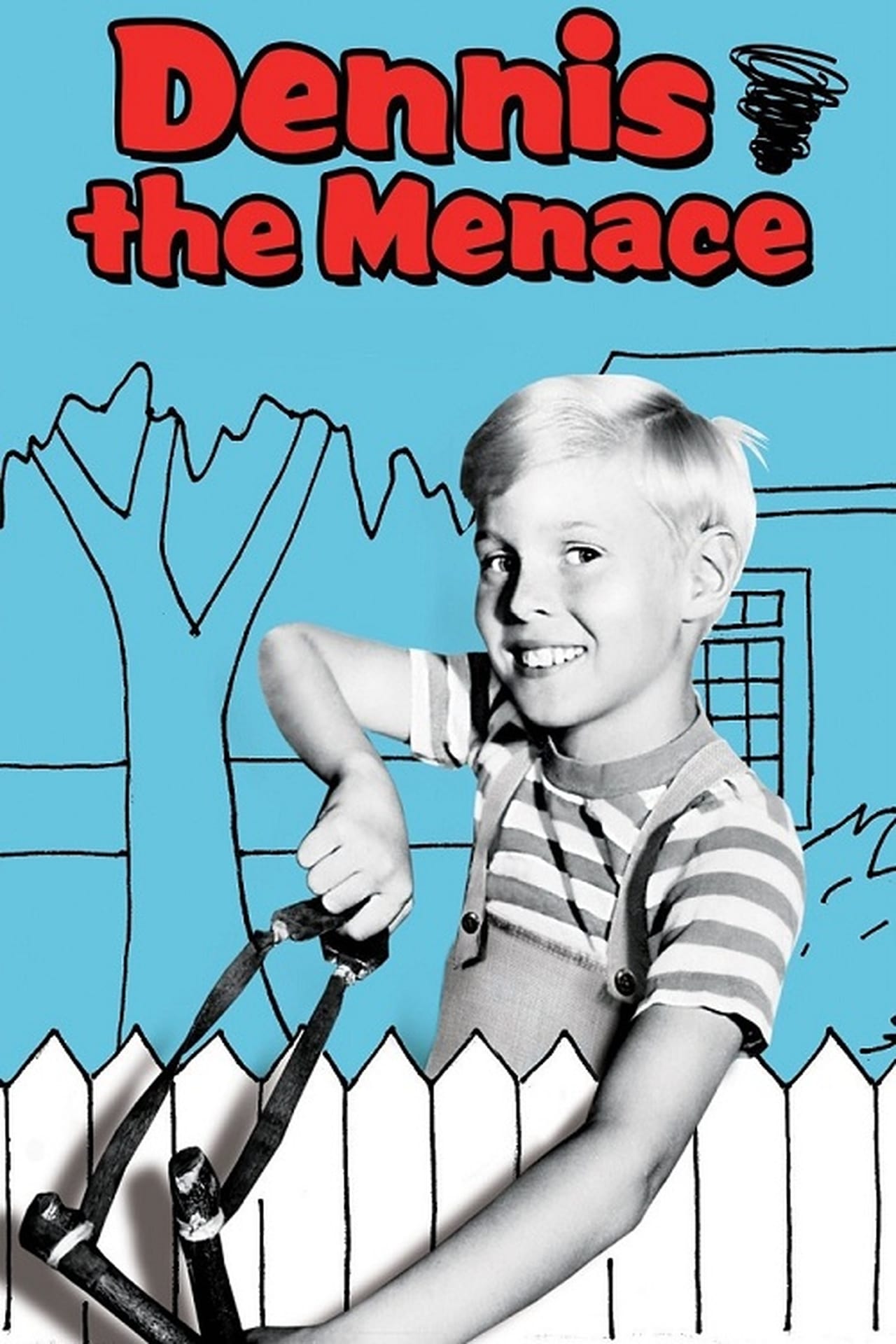
Dennis the Menace

This 1959-1963 television situation comedy series follows the lives of the Mitchell family, Henry, Alice, and their only child Dennis, an energetic, trouble-prone, mischievous, but well-meaning boy, who often tangles with his peace-and-quiet-loving neighbor George Wilson, a retired salesman, or, later, with George's brother John, a writer. Dennis is basically a good, well-intentioned boy who always tries to help people, but who winds up making situations worse – often at Mr. Wilson's expense.

3.3

Dennis the Menace

1959

Reviews

No reviews yet — be the first to write one from the Log screen.

Quotes

No quotes yet.

Discussions

Your episodes

123456789101112131415161718192021222324
S1

Your episode ratings · tap a cell to mark it watched