Supplices
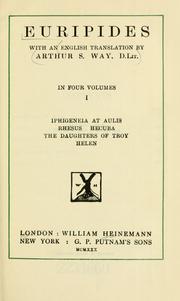
by Euripides
DramaSeven against Thebes (Greek mythology)Theseus (Greek mythology)Adrastus (Greek mythology)Greek Mythology
0.0
Open LibraryAbout this book
Centering on the right of proper burial for those fallen in battle, Suppliant Women reflects on war and on the rule of law. In Electra Euripides gives us his version of the famous legend of the murder of Clytaemestra by her children in revenge for her killing their father, a portrayal interestingly different from that in Sophocles' Electra. Narrating sudden reversals in the hero's fortunes, Heracles testifies to the fragility of human happiness.
Themes & subjects
DramaSeven against Thebes (Greek mythology)Theseus (Greek mythology)Adrastus (Greek mythology)Greek MythologyTranslations into English
Characters & people
About the author
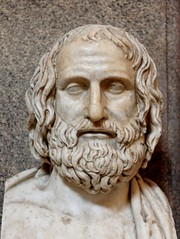
Euripides
480 BCE – 406 BCE
Euripides was the last of the three great tragedians of classical Athens (the other two being Aeschylus and Sophocles). Ancient scholars thought that Euripides had written ninety-five plays, although four of those were probably written by Critias. Eighteen or nineteen of Euripides' plays have survived complete. There has been debate about his authorship of Rhesus, largely on stylistic grounds and ignoring classical evidence that the play was his.[1] Fragments, some substantial, of most of the other plays also survive. More of his plays have survived than those of Aeschylus and Sophocles together, because of the unique nature of the Euripidean manuscript tradition. ([Source][1].) [1]…
Reviews
No reviews yet — be the first to write one from the Log screen.
Quotes
No quotes yet.