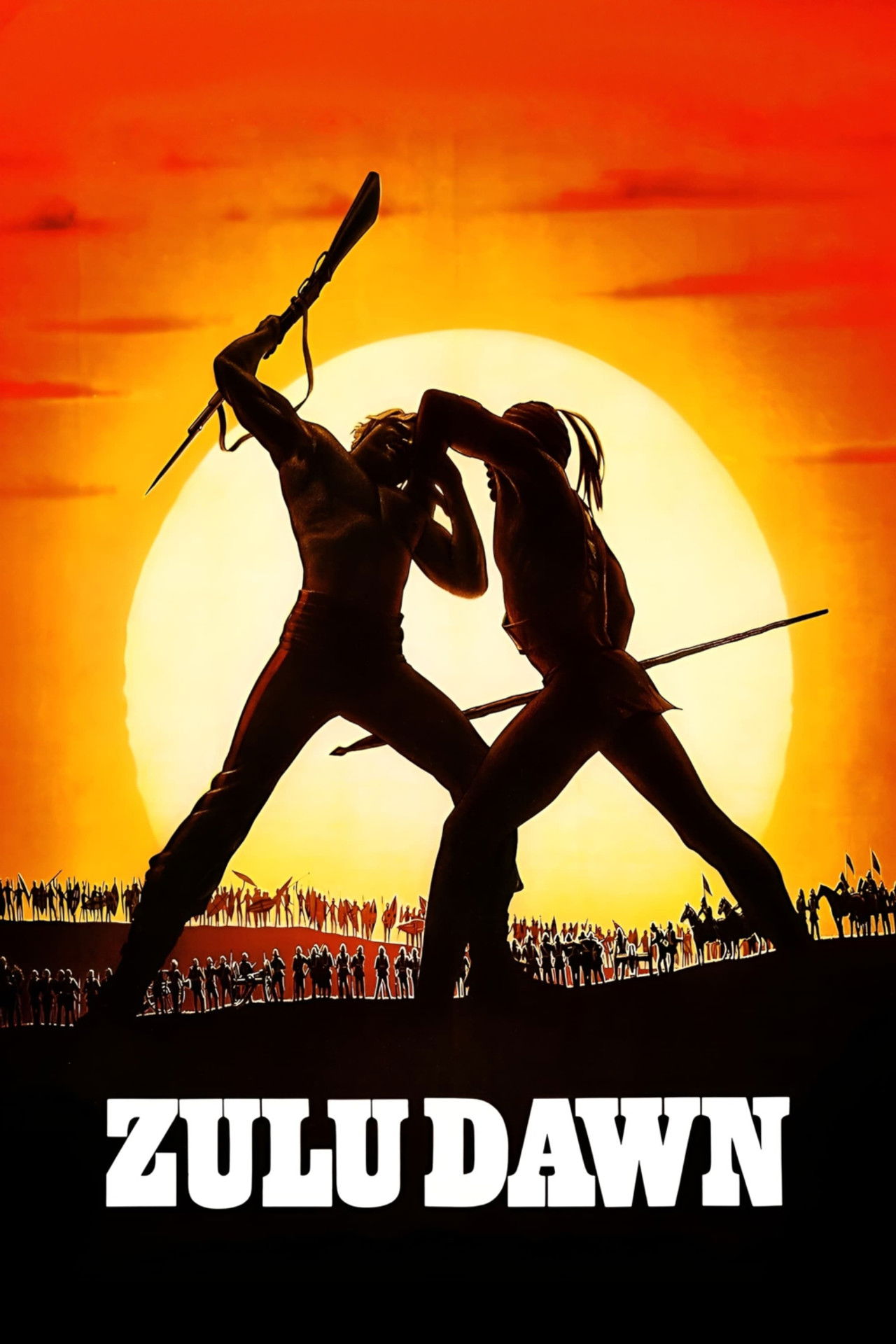
Zulu Dawn
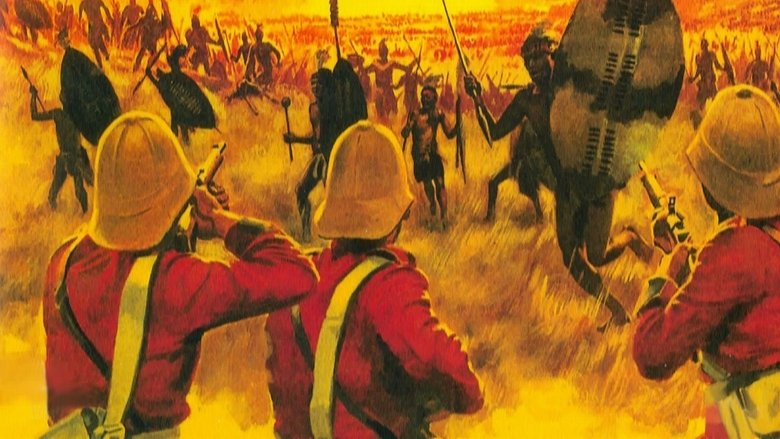
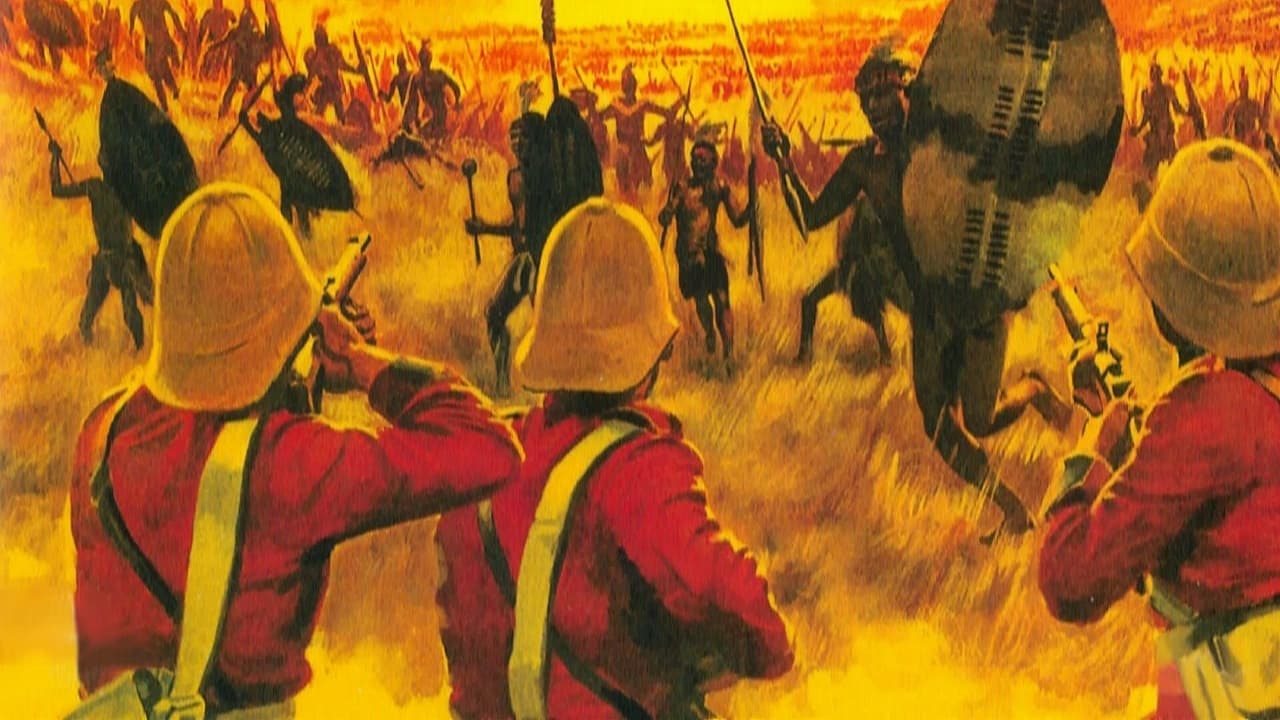
The sun dawned bloodied... two great armies met face to face... and the earth trembled to the sound of the Zulu death chant!
In 1879, the British suffer a great loss at the Battle of Isandlwana due to incompetent leadership.
3.1/5
TMDB score· 116 votes
Synopsis
In 1879, the British suffer a great loss at the Battle of Isandlwana due to incompetent leadership.
The vibe
fightbritish empirevictoryprequelbattlefieldbattledeathcolonialismspear throwingsurrounded
Behind it

Cast
 Burt LancasterCol. Anthony Durnford
 Peter O'TooleLord Chelmsford
 John MillsSir Henry Bartle Frere
 Denholm ElliottColonel Pulleine
 Simon WardLt. Vereker
 Nigel DavenportCol. Hamilton-Brown
 Michael JaystonCol. Crealock
 Peter VaughanQSM Bloomfield
 James FaulknerLt. Melvill
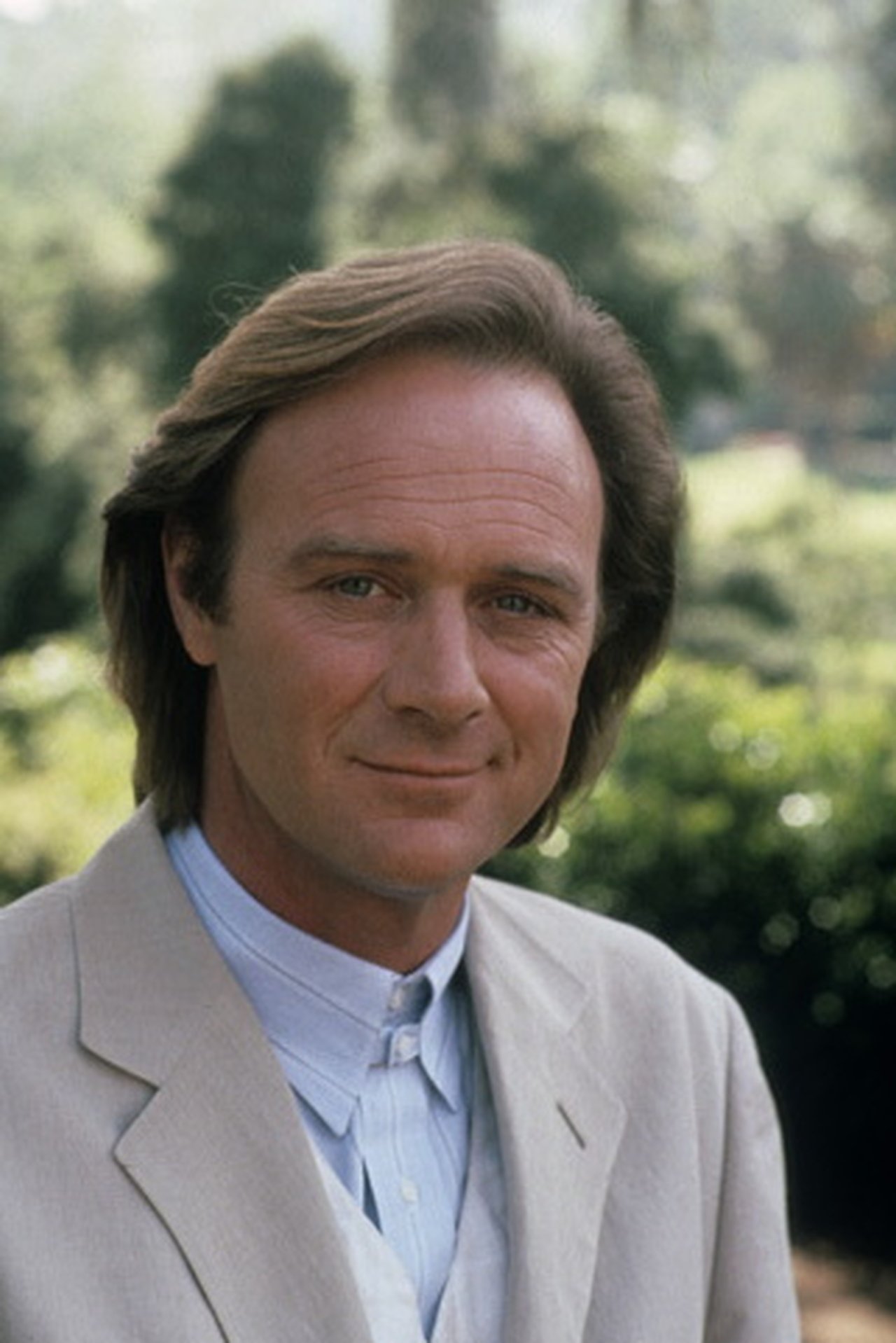 Christopher CazenoveLt. Coghill
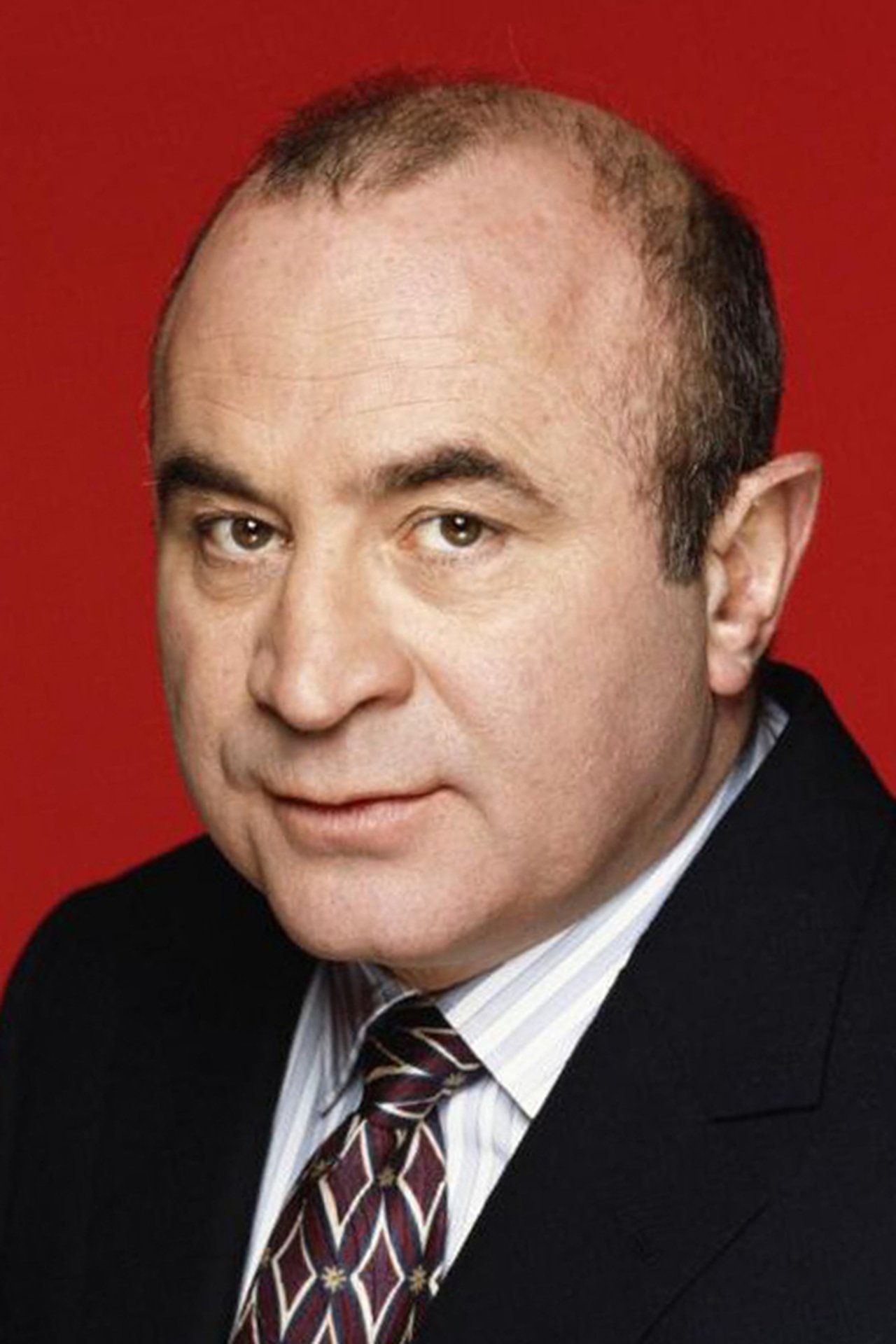 Bob HoskinsC.S.M. Williams
 David BradleyPte Williams
 Paul CopleyCpl. Storey
 Donald PickeringMaj. Russell R.A.
 Nicholas ClayLt. Raw
 Phil DanielsBoy Pullen
 Ian YuleCpl. Fields
 Peter J. ElliottSentry
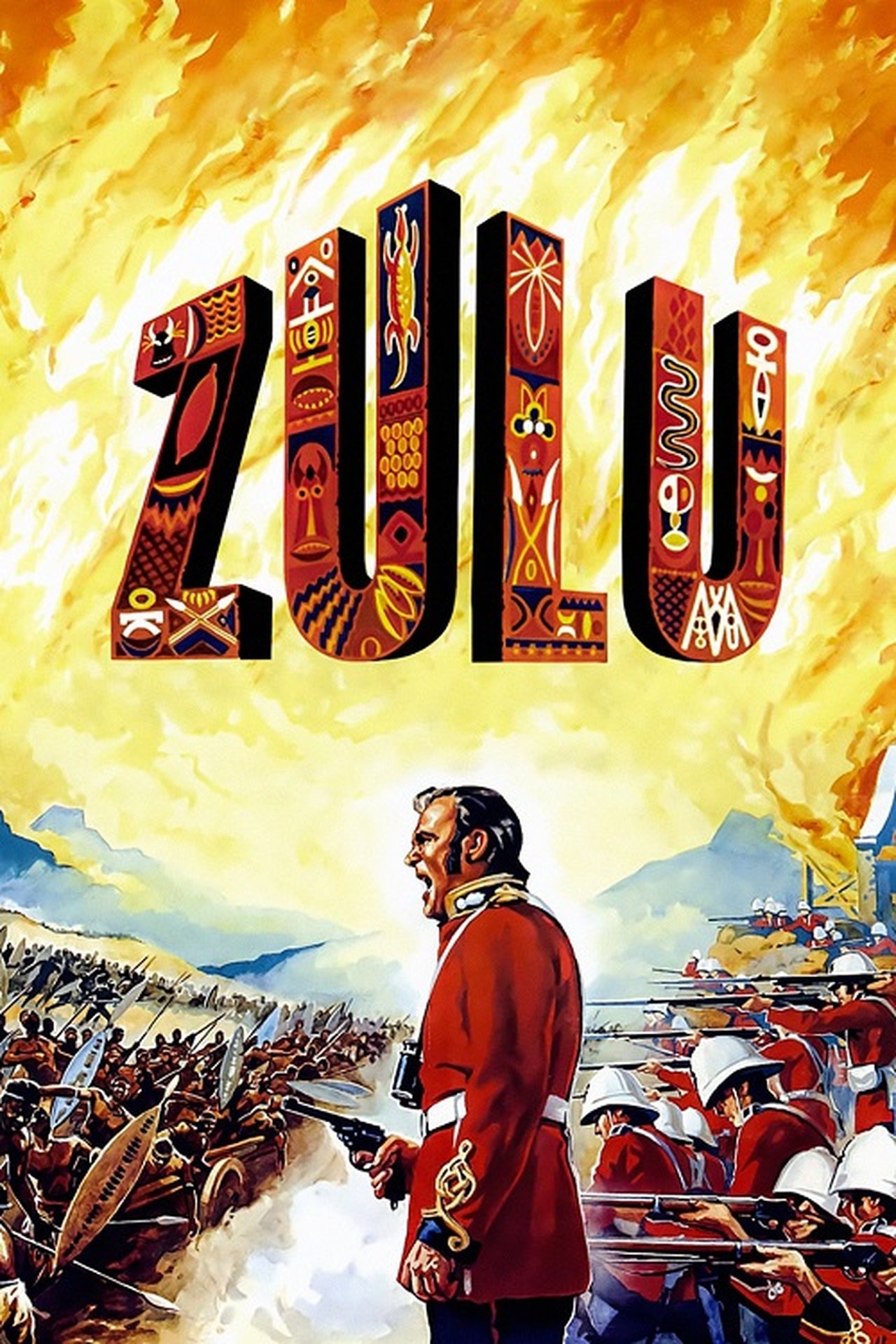
Zulu Collection
The Anglo-Zulu War was fought in 1879 between the British Empire and the Zulu Kingdom. Following the British North America Act of 1867 for the federation in Canada, by Lord Carnarvon, it was thought that similar political effort, coupled with military campaigns, might succeed with the African Kingdoms, tribal areas and Boer republics in South Africa. In 1874, Sir Bartle Frere was sent to South Africa as High Commissioner for the British Empire to effect such plans. Among the obstacles were the armed independent states of the South African Republic and the Kingdom of Zululand. Frere, on his own initiative, sent a provocative ultimatum on 11 December 1878 to the Zulu king Cetshwayo and upon its rejection sent Lord Chelmsford to invade Zululand. The war is notable for several particularly bloody battles.
Reviews
No reviews yet — be the first to write one from the Log screen.
Quotes
No quotes yet.